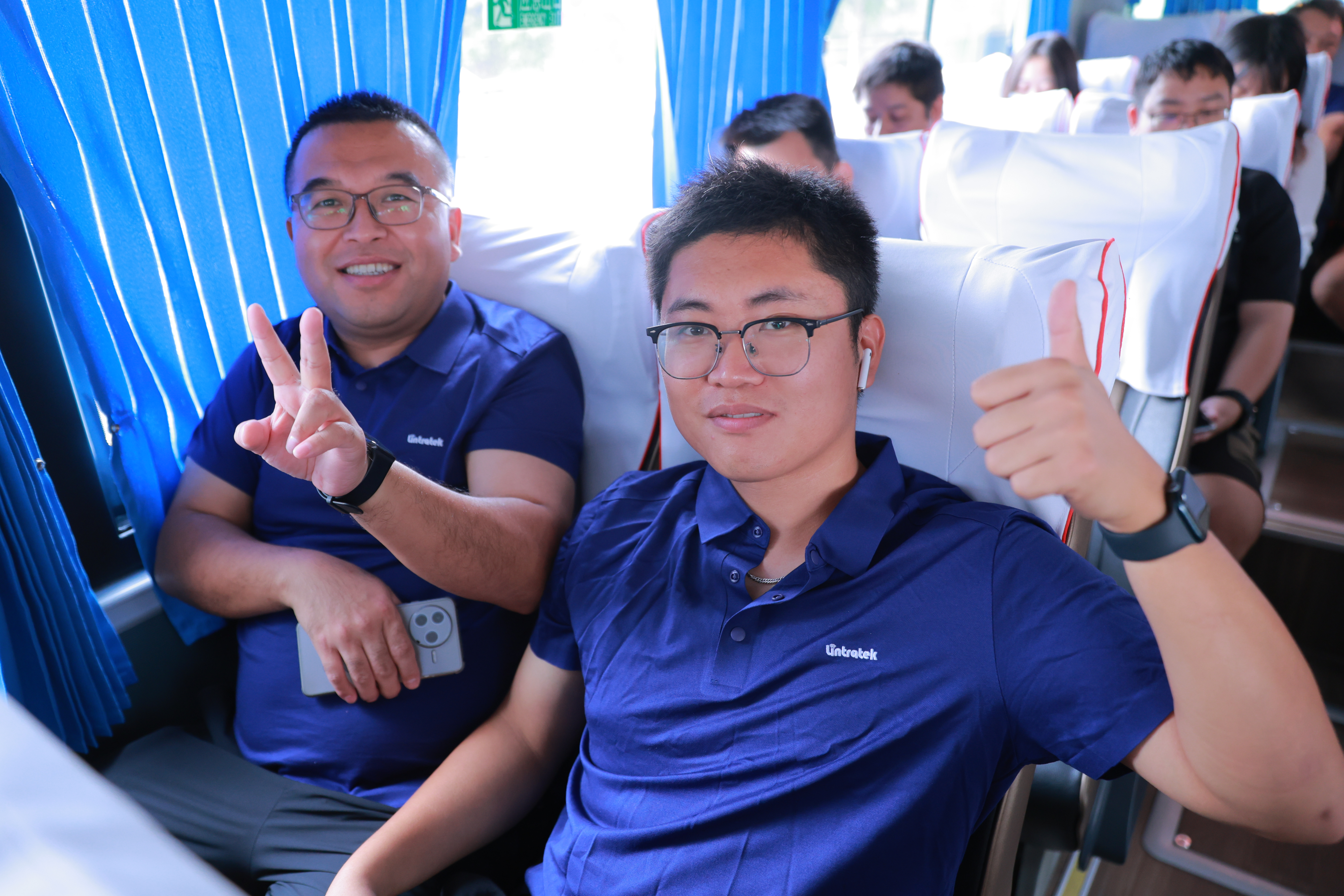
Last Friday in November, the entire Lintratek team packed onto a bus and headed out to Conghua for two days.
No KPIs. No sales calls. No emails.
They spend their weekdays designing, manufacturing, and shipping signal coverage equipment to 155 countries — spending a weekend getting to know each other as actual humans.
It sounds simple. But when you’re trusting a supplier with your project deadlines, you want to know who’s actually on the other end.

cellular signal booster system
What Team Building Really Means for Your Projects?
Here’s the thing. A 4G repeater doesn’t just show up at your warehouse because a machine made it. Someone spec’d the band. Someone tested the gain. Someone packed it and someone else verified the serial number before it left the building.
When a team actually knows each other — not just by department, but by name — things move faster. Miscommunications get caught. Problems get solved before they reach your inbox.
That’s not marketing talk. That’s just how people work when they trust each other.


industrial cell phone booster
Four Games, Four Lessons
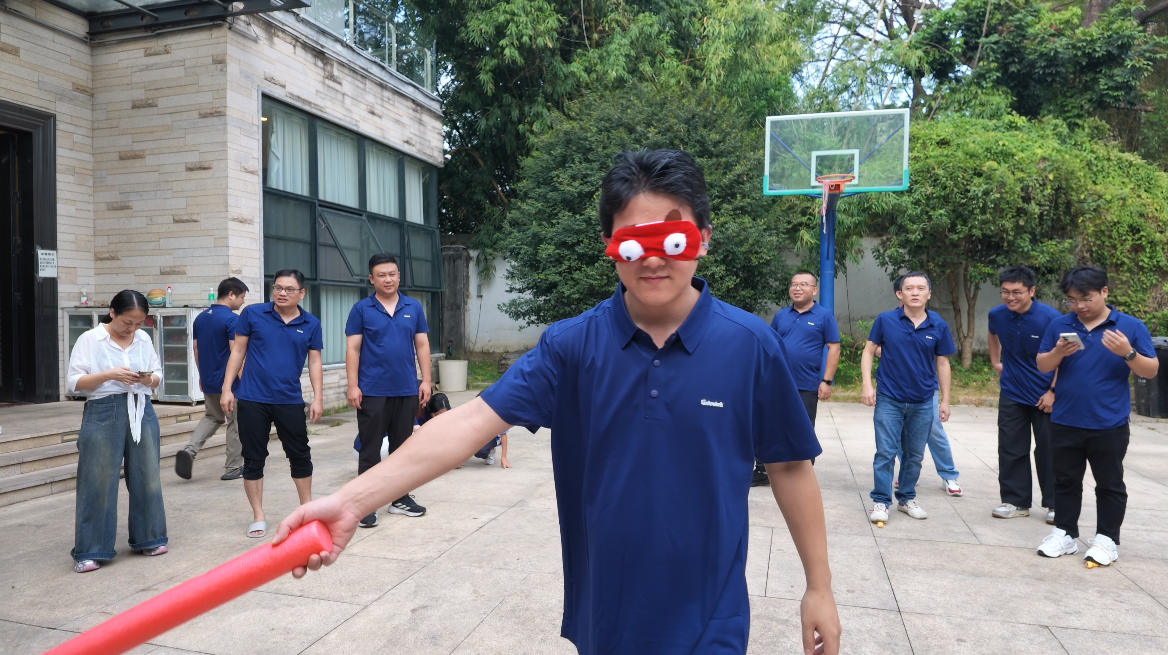
1、Blindfold Challenge: Trust the Voice Behind You
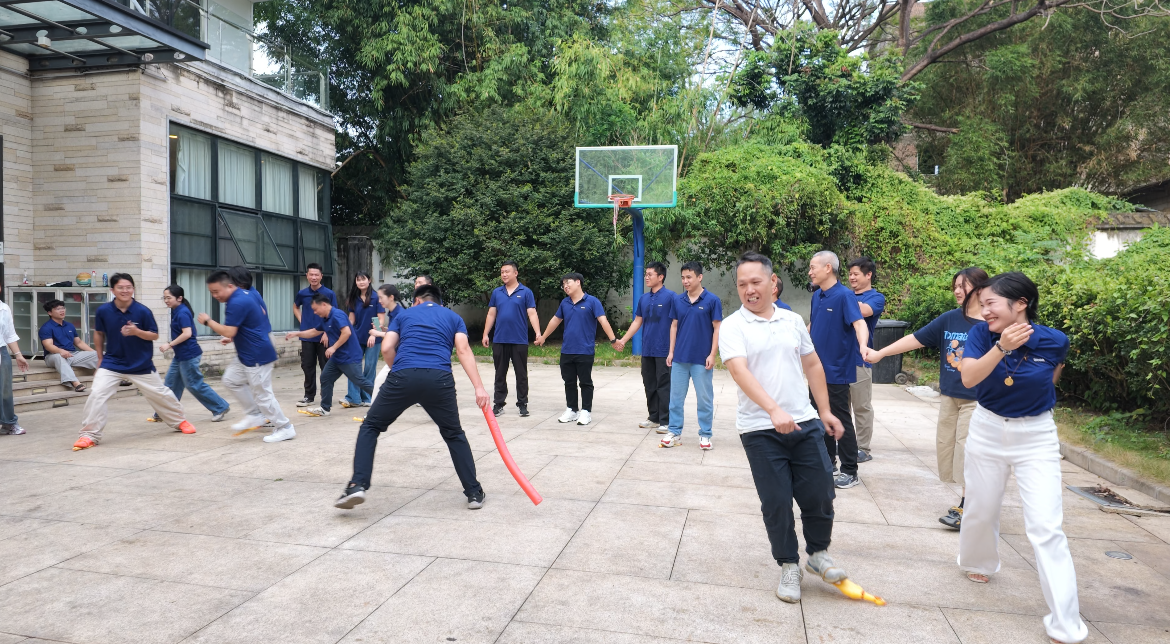
One person steps up, blindfolded. The rest of the team can only talk — no reaching out, no touching. The goal: find and step on a squeaky rubber chicken in 90 seconds, guided entirely by voices shouting “left!” “right!” “stop!”
Sounds ridiculous. It looked ridiculous too. People spun in circles, stumbled, grabbed at air. One person found the chicken but didn’t step hard enough. Another was guided into completely the wrong direction.
But here’s what actually happened. Six people, all talking at once, had to figure out how to communicate with someone who couldn’t see. They had to speak clearly. They had to agree on directions. They had to trust that the person in the blindfold would listen, and the blindfolded person had to trust that the voices knew where to send them.
power gsm signal booster
That’s exactly what happens when an installer calls our support line from a rooftop in Manila. They can’t see what’s in our factory. They can’t see the test bench. They’re standing on-site with a signal meter and a deadline. What they need is a clear voice on the other end — someone who understands the equipment, understands the problem, and can guide them to the right fix.
When our sales engineer and our R&D technician have spent time together outside of work — when they’ve already learned how each other thinks, how each other communicates — that phone call goes differently. The answer comes faster. The guidance is clearer. No one’s guessing what the other person means.
That’s the blindfold game, played out on every support call. One person in the dark, a team behind them, and clear communication as the only bridge.
-mobile signal booster price
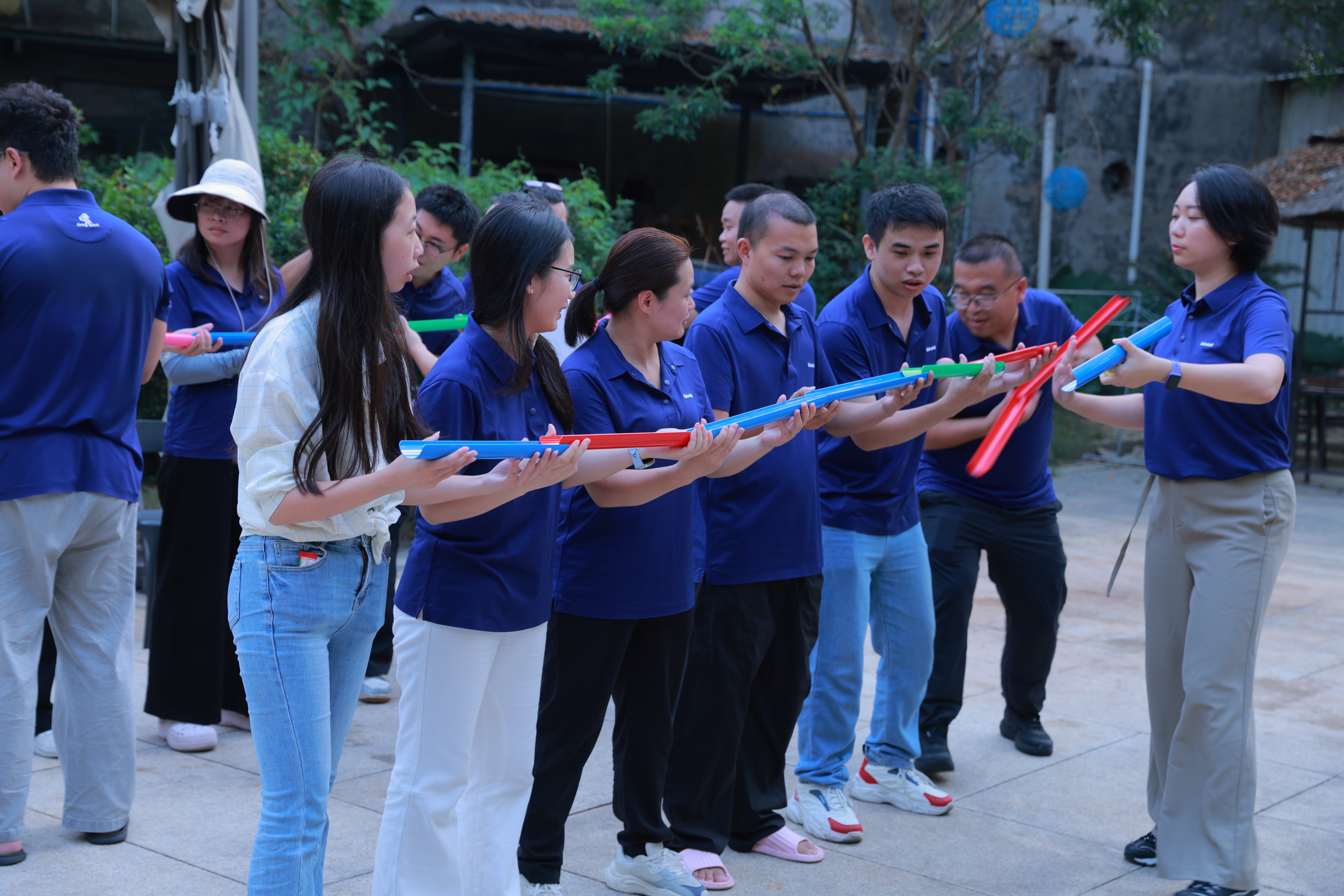
2、Ball Run: Every Link in the Chain Has to Hold
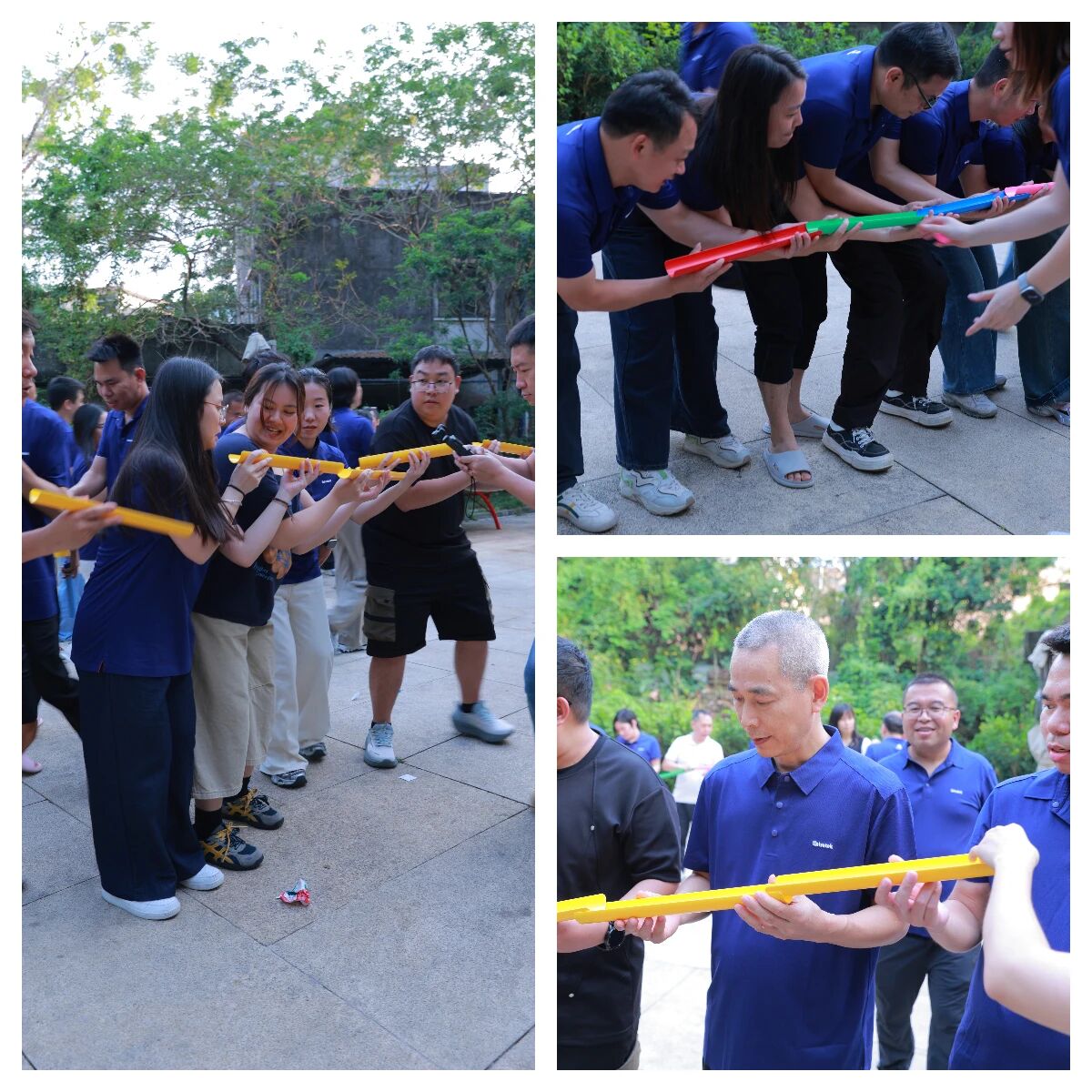
Each person gets a U-shaped channel. You line up, connect the channels end to end, and roll a ping-pong ball down the line into a cup at the finish. You can’t touch the ball. If it drops, you start over.
It was the quietest game of the day. Every pair of eyes locked on that ball. The moment it wobbled, the whole line reacted — gasps, sharp inhales, a collective “no no no” as someone adjusted their angle just in time.
Two teams dropped the ball. Twice. On the third attempt, the ball rolled cleanly into the cup and the entire team jumped.
Here’s why that game hit different. The ball doesn’t care which channel is strongest. If one person holds their piece at the wrong angle — even slightly — the whole thing fails. The fastest runner, the clearest communicator, the most experienced engineer on the line doesn’t matter if one link is off.
The spec gets written, the components get sourced, the unit gets assembled, the gain gets tested, the unit gets packed, the shipping docs get prepared, the freight gets loaded. Each of those steps is a person holding a piece of the track. If one drops the ball — a wrong band shipped, a mislabeled carton, a missing accessory — the project stalls and you’re the one standing on-site explaining the delay to your client.
We’ve been running this track for fourteen years. We know which steps are fragile. We know where balls tend to drop. And we’ve built our process so that the person at each stage can catch a problem before it rolls past them.
The ball run taught us something we already knew but felt worth proving: every handoff matters. Every person in the chain has to be paying attention. And when they all do, the ball lands in the cup.
3、Barbecue Night: The Best Ideas Don’t Come from Conference Rooms
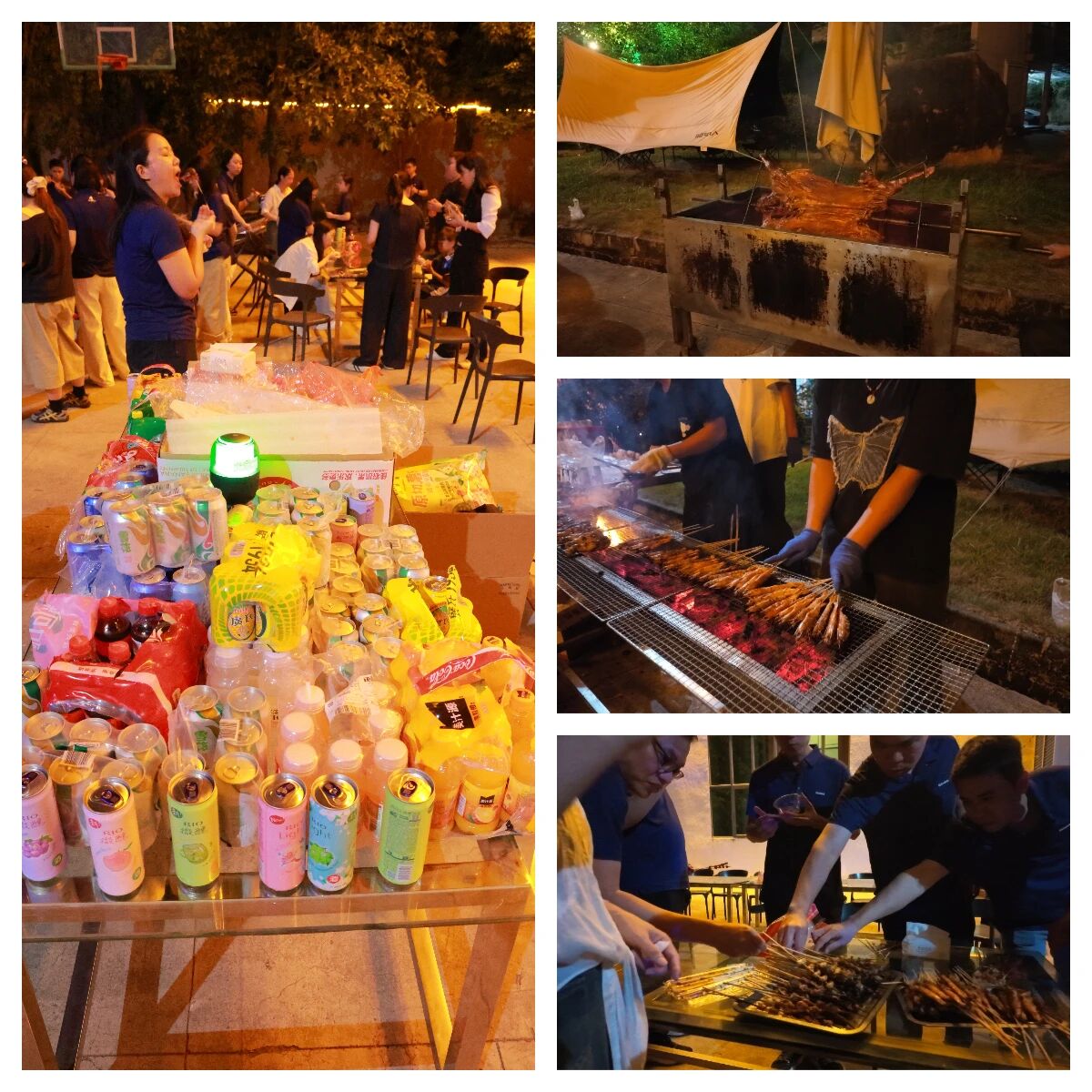
The sun dropped behind the villa. Someone lit the charcoal.
Within minutes, smoke was everywhere — the kind that stings your eyes and makes you squint. A few people grabbed tongs and took over the grill. Others waited with plates. Someone kept walking back and forth, plate in hand, stealing food the second it came off the fire.
Nobody assigned roles. Nobody made a schedule. The people who knew how to manage a grill just stepped up. The people who didn’t stayed out of the way and kept the drinks cold. It sorted itself out in about ten minutes.
cellular signal booster system
And then something happened that doesn’t happen in meetings. The R&D engineer who normally sits three desks away from the sales manager started talking about a frequency-interference issue he’d been wrestling with for two weeks. The sales manager — who’d just come back from a distributor trip — mentioned that three clients had asked about the same thing. They sketched something on a napkin. By Monday, that sketch became a test plan.
You can’t schedule that. You can’t put it on an agenda. It happens when people are relaxed enough to say what’s actually on their mind, to someone they trust enough to say it to.
In a factory that ships cellular signal booster system kits to 155 countries, the gap between “a customer mentioned a problem” and “engineering starts working on it” is where most companies lose time. Usually it’s weeks.
Sometimes months. A sales rep files a report. The report sits in a queue. Engineering picks it up in the next sprint planning cycle.
When your sales team and your engineering team have shared a barbecue — when they’ve actually talked to each other as people, not as roles in a flowchart — that gap shrinks. The conversation happens on the same day, not the next sprint.
That’s not a culture perk. That’s a turnaround time. And for a distributor waiting on a custom power signal booster configuration, or an installer who needs a firmware adjustment before a weekend deployment, that turnaround time is the difference between on-time and overtime.
4、Off-Road ATVs: You Don’t Avoid the Mud, You Drive Through It
Next morning. ATVs lined up on a dirt track, each one fitted with a roll cage and a harness. Helmet on, strap in, and suddenly you’re not in a villa courtyard anymore — you’re bouncing through mud with someone’s dust cloud filling your entire field of vision.
Some people drove carefully. Steady pace, both hands on the wheel, taking the corners wide. They finished clean.
Others hammered the throttle and came back caked in mud, grinning, having somehow taken a “shortcut” through a drainage ditch. Nobody could see their taillights — mostly because the ATVs didn’t have taillights, but also because they were that far ahead.
Here’s the thing nobody said out loud: the track wasn’t paved. It wasn’t graded. There were puddles, loose gravel, a couple of turns where the mud was deeper than it looked. You couldn’t just sit in the vehicle and expect a smooth ride. You had to read the terrain, adjust your speed, lean into the turns, and commit.

That’s every non-standard deployment we’ve ever shipped.
When a contractor calls about a
cell phone booster for rural areas where the nearest tower is 12 kilometers away through a forest, there’s no paved road. When a mining company needs a
mobile network solution across a site with iron-ore walls that eat signal for breakfast, there’s no textbook answer. When an integrator in the Middle East needs a
network booster that survives 55°C ambient heat and sandstorms, the spec sheet from last year doesn’t cover it.
You drive into the mud. You figure it out. You lean into the turn and commit.
Our engineering team has spent fourteen years driving through terrain that doesn’t show up in product catalogs. Weak donor signals, bizarre building geometries, carrier bands that don’t match any standard configuration, environmental conditions that would melt a consumer-grade unit in a week. We’ve been stuck. We’ve taken the wrong path. We’ve come back muddy.
But every time we did, we learned something. And the next time a distributor calls with that same kind of problem, we already know which line to take.
You don’t grow to 1 million users across 155 countries by staying on paved roads. You get there by knowing how to drive through the mud — and being willing to do it again tomorrow.
signal booster for mobile phone
The People You’re Working With
Back to that weekend in Conghua.
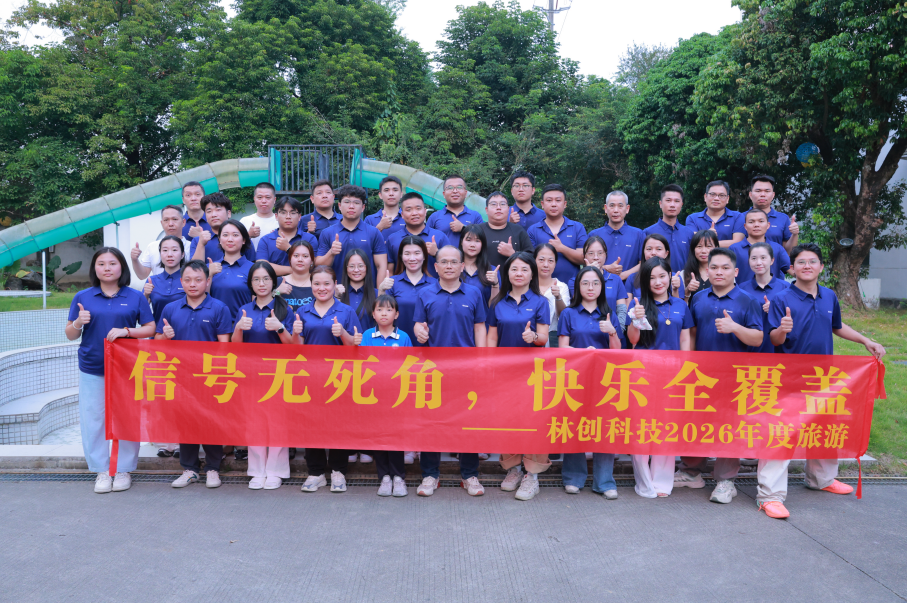
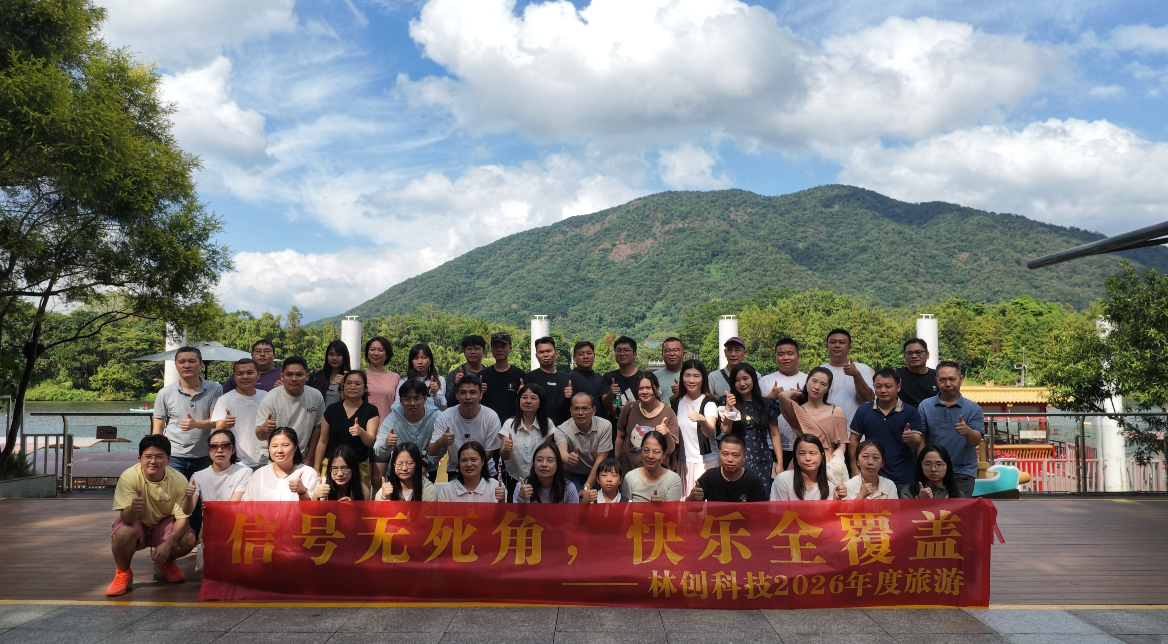
Forty people, two days, no KPIs. They played games. They ate barbecue. Some of them stayed up until 4 AM singing karaoke. The next morning they got on ATVs and drove through mud.
None of that shows up in a product spec sheet. But it shows up in how a team communicates on Monday morning.
When you email your Lintratek contact about a project, you’re not getting a scripted response from someone who’s never met the people building your order. You’re reaching a team that knows each other, trusts each other, and has been doing this for over a decade.
Ready to Talk?
If you’re evaluating suppliers for your next project — whether that’s a single building deployment or a multi-site rollout — we’d like to be on your shortlist.
Browse our product range at lintratek.com, or reach out through our customized solution form. Tell us about your site, your bands, your coverage targets. Our engineers will come back with a real answer — not a brochure.
That’s how we work. That’s who we are.
Post time:
Nov-12-2026