





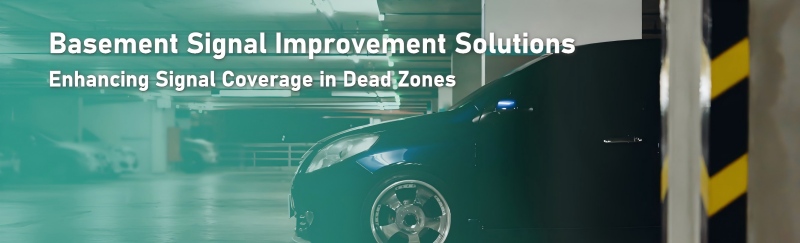
If you’ve ever walked into your basement, garage, or underground parking garage only to watch your cell signal drop to zero bars, you know how frustrating it feels. Texts won’t send, calls drop mid‑sentence, and you can’t even make an emergency call if you need to. After 14 years helping people fix dead zones, I can tell you: basements are some of the hardest places to get reliable signal. Thick concrete walls, underground positioning, and blockage from the ground above easily weaken signal by 60–80 dB. Around 12% of buildings worldwide have serious dead zones underground, and switching phones or complaining to carriers rarely fixes the problem.
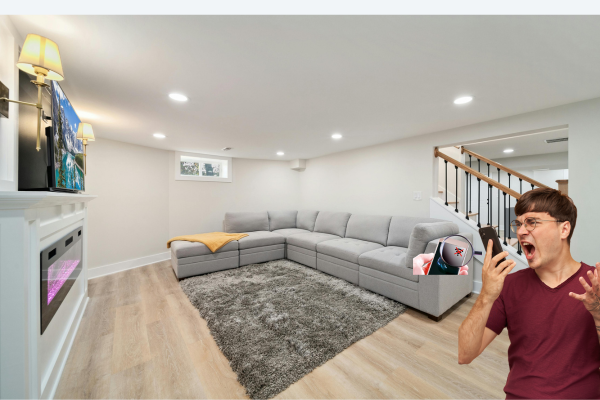
no signal in basement/underground/underground parking
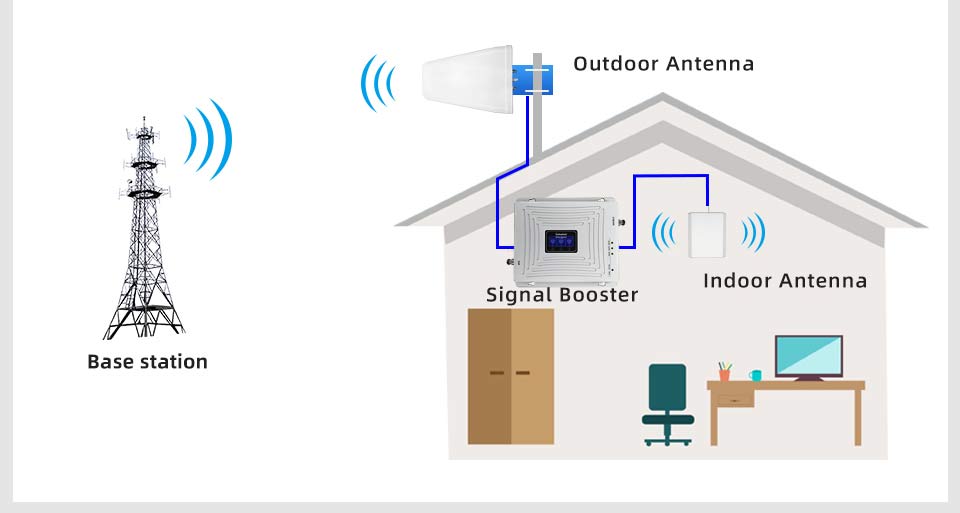
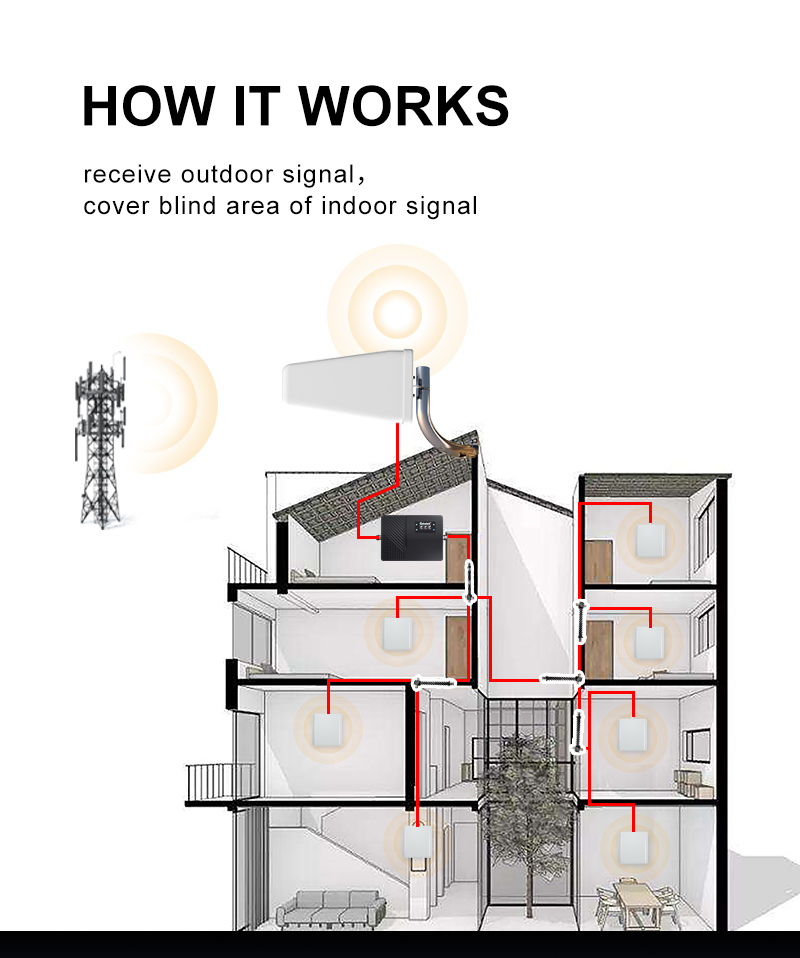
You don’t have to be an engineer to choose a reliable system, but you should understand the four key parts that make or break performance.
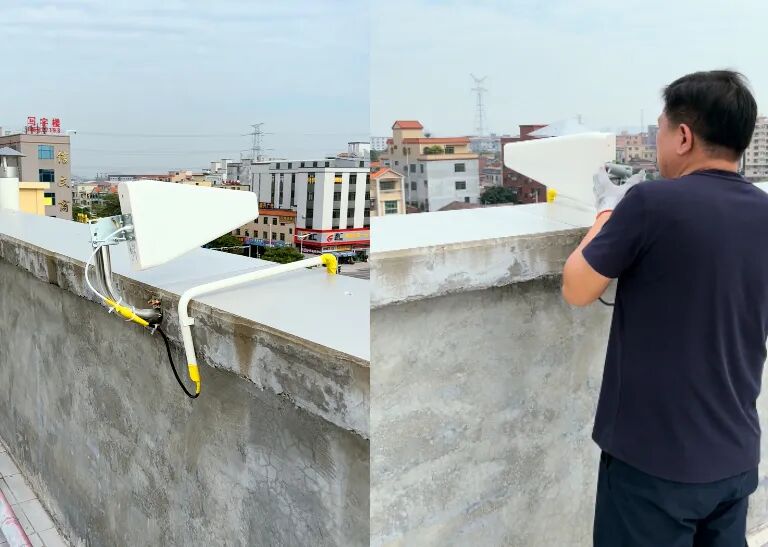
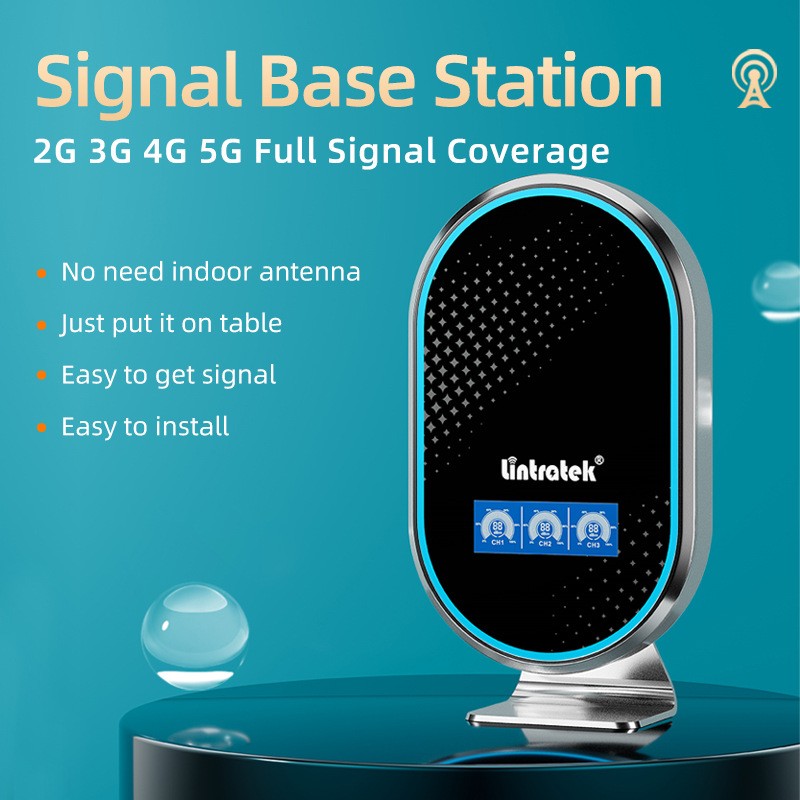
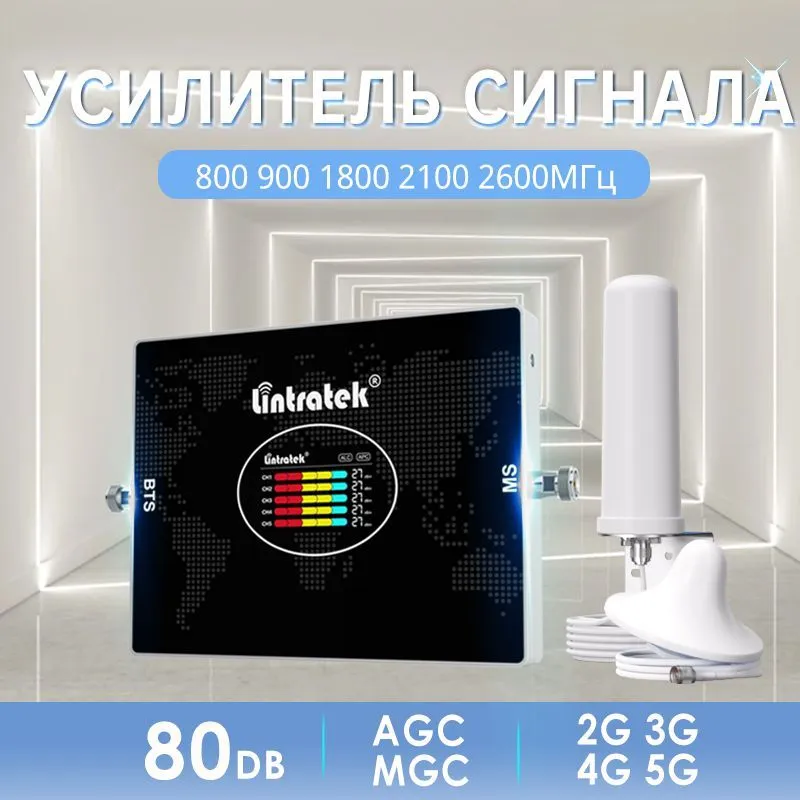
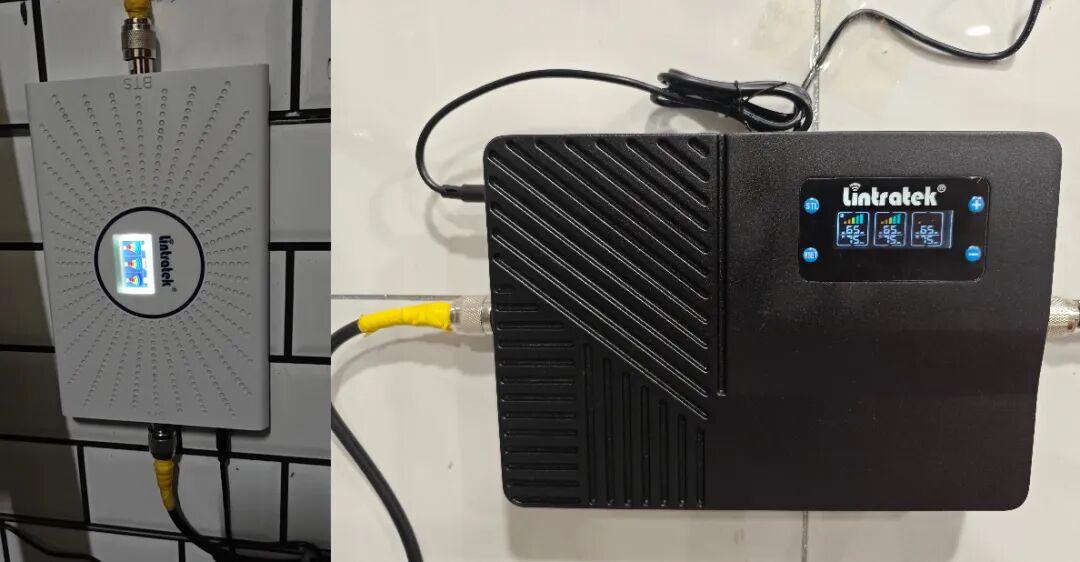
The mobile network booster unit controls gain and stability; keep in mind that higher gain isn’t always better, because too much gain can cause self‑oscillation and make your signal worse.
The indoor antenna matters too: omnidirectional antennas cover wide open areas, while directional antennas focus on specific corners or rooms.
Last but not least, use low‑loss coaxial cable. Cheap cable leaks signal along the way and ruins all your effort.
Now let’s talk about the mistakes I see beginners make every single day.
❌Don’t buy cheap old boosters that only support 2G—they can’t handle 4G or 5G, so you’ll waste money and still have poor data.
❌Don’t overbuy on power either. For basements under 100㎡, a 500mW booster is usually enough. Larger or more complex spaces over 300㎡ may need 2W or higher.
❌And don’t ignore interference. Look for built‑in AGC (Automatic Gain Control) and filtering features—these keep your signal steady even in basements with lots of electrical noise from machinery, lights, or wiring.
Post time: Apr-17-2026