





After 14 years of fixing signal dead zones across 185+ countries and cities —from rural villages in Africa to high-rises in Europe—I’ve got a front-row seat to how the global signal booster market moves. Lately, I’ve been fielding more calls than ever from distributors, small business owners, even curious tech enthusiasts asking two big questions: Which countries are craving signal boosters the most right now? And where will the market go in the next three years? Let’s cut through the corporate reports and jargon—this is what’s actually happening on the ground.
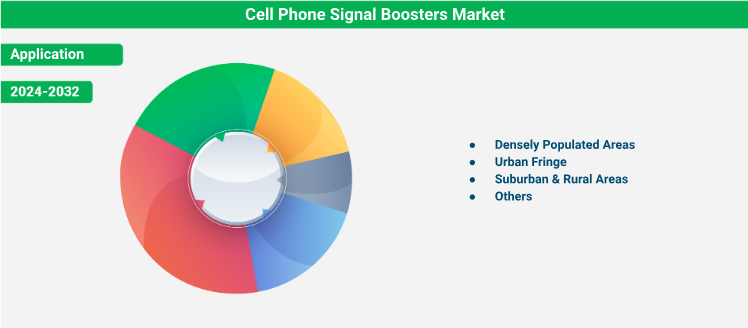
Categories of mobile signal amplifiers
First, let’s talk about the current demand leaders. The biggest surprise for most people? It’s not the tech hubs like the US or Japan—it’s India. Let me explain why. India has over 1.4 billion people, and while cities like Mumbai and Delhi have solid 4G (and growing 5G) coverage, 65% of the population lives in rural areas. Those villages—tucked in the Himalayas, spread across the Ganges plains, or along the coastal backwaters—have spotty to no signal. And here’s the kicker: More and more rural Indians are getting smartphones for work (farmers checking crop prices), education (kids attending online classes), and staying connected to family. I work with three distributors in India, and they all say the same thing: Demand for home and small-business signal boosters has jumped 80% in the last two years. People aren’t just buying them for convenience—they’re a lifeline for accessing basic services.
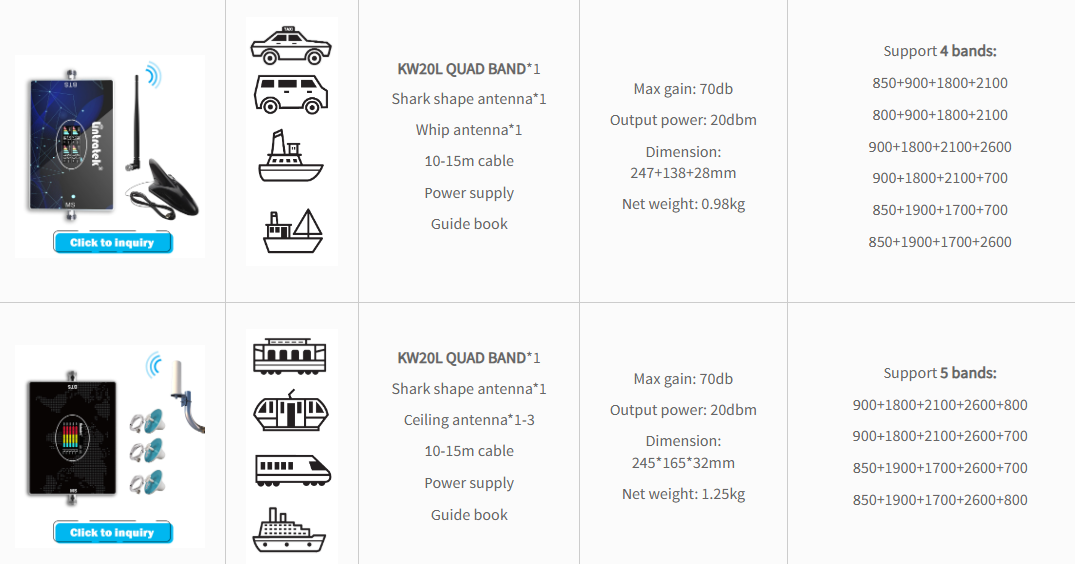
Car Signal Boosters — Truck Drivers, Road Trippers, RV
The Next : Brazil and Nigeria. Brazil’s issue is geography—huge rainforests, vast savannas, and coastal regions that are hard for carriers to cover. Its urban centers (São Paulo, Rio) have good signal, but step outside, and you’re often left with 1 bar. Demand here is driven by small businesses and rural communities—think coffee farmers in Minas Gerais needing to process payments or ranchers in the Amazon checking weather updates. Nigeria, meanwhile, has a young, tech-savvy population (over 60% under 25) and a booming mobile market, but infrastructure can’t keep up. Cities like Lagos have crowded cell towers that slow down signal, while rural areas in the north have almost no coverage. The Signal Boosters here are popular for both homes and small offices—anything to avoid the frustration of dropped calls or slow data .
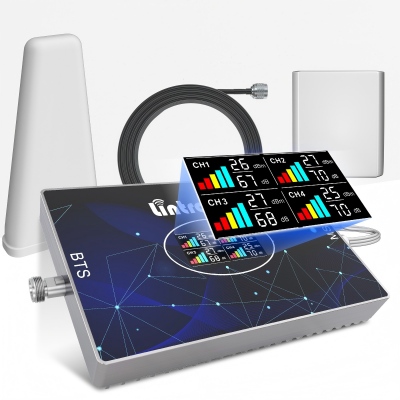
Now, let’s talk about the next three years—what I’m seeing as someone who’s already working with distributors on upcoming products. First trend: 5G boosters will go mainstream, but slowly. Right now, 5G boosters are pricey and only needed in select urban areas (like Seoul, New York, or Dubai) where 5G is widespread. But in the next 2–3 years, as 5G rolls out in more countries (India, Brazil, Nigeria are all expanding 5G networks), demand for affordable 5G boosters will spike. The catch? Most people will still need 4G/5G combo boosters—since 5G coverage will be patchy for years, and 4G will remain the backbone for connectivity.
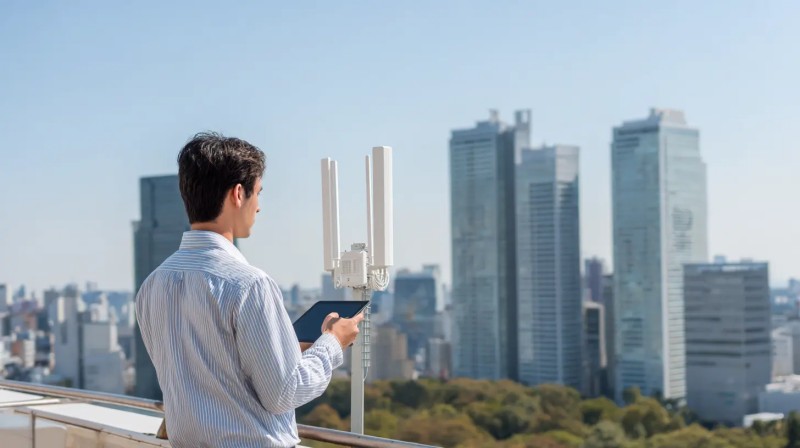
Second trend: Portable and vehicle boosters will outsell home models. More people are working on the go—digital nomads in Brazil, truck drivers in the US, farmers in Nigeria who move between fields. Portable boosters (small enough to fit in a backpack) and rugged car boosters (waterproof, dustproof) will become more popular because they’re flexible. I’ve already seen distributors in India and Nigeria ordering twice as many portable models as home ones—they’re seeing demand from people who don’t want to be tied to one spot.
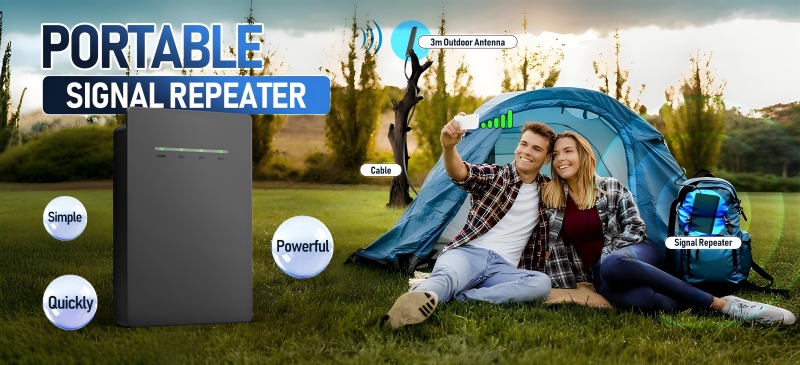
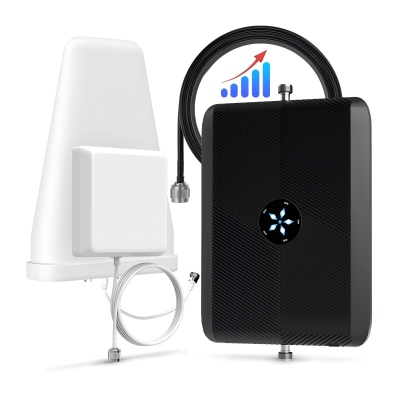
Lintratek Portable signal Booster for RV CarTravel, Camping, Hiking, RV, Car
Third trend: Regulations will get stricter—and that’s a good thing. In the past, cheap, uncertified boosters from no-name brands flooded markets like India and Nigeria. These boosters often cause interference with carrier towers, making signal worse for everyone. Now, countries like India (TRAI), the US (FCC), and Brazil (ANATEL) are cracking down—requiring boosters to meet safety and performance standards. This will push out the cheap junk and create more demand for quality, certified products. As a tech guy, this makes me happy—consumers get reliable gear, and the industry gains trust.
At the end of the day, the signal booster market is about solving problems—not selling gadgets. And as long as there are remote areas, crowded cities, and people who need to stay connected, that demand will keep growing. The question isn’t if you’ll need a network signal repeater soon—it’s which one will work best for you. → contact us
Post time: Jan-21-2026