





If you run an office in the Philippines—whether it’s a small startup in Makati, a corporate headquarters in Cebu, or a branch office in Davao—you’ve probably dealt with the same frustrating problem: spotty cell signal that kills productivity. Your team can’t make important calls without cuts, video conferences freeze mid-meeting, and even sending a simple work email takes forever. So what’s the best way to boost cell signal indoors?
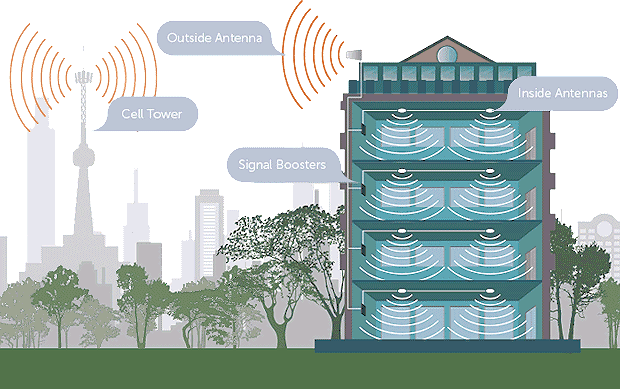
The most reliable solution for improving coverage in offices or buildings is a cell phone signal booster system. These solutions capture the existing outdoor cellular signal, amplify it, and distribute the strengthened signal evenly throughout your interior spaces—eliminating dead zones and ensuring consistent connectivity where you need it most.
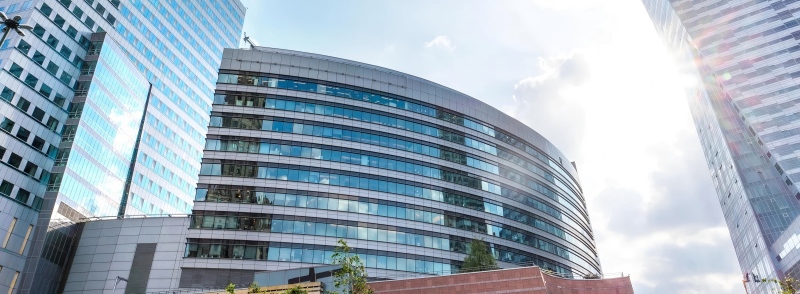
First, let’s get real about why office signal in the Philippines is so tricky. It’s not just bad luck—there are three main culprits that I see over and over again.
The first is the country’s geography: with its islands, mountainous areas, and scattered cell towers, even urban office buildings can be far from the nearest tower, especially if you’re in a dense city where buildings block signals from every direction.
Second, most modern office buildings in the Philippines are made with reinforced concrete and metal frames—materials that act like a shield, blocking cell signals from getting inside. I’ve tested signal strength in dozens of Manila offices, and in some cases, the signal drops by 60% just a few feet away from a window.
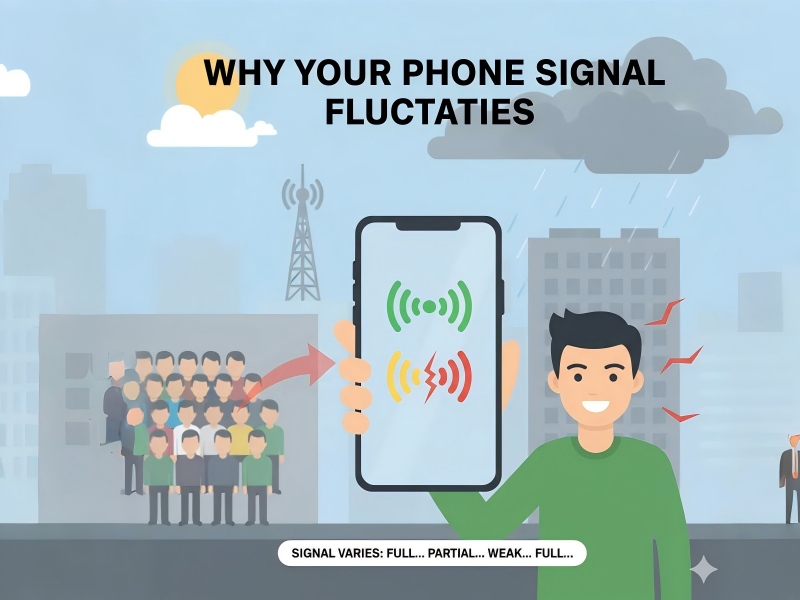
Third, network congestion is a huge issue. With Globe, Smart, and DITO all serving millions of users, busy office areas often overload nearby cell towers, turning full bars into slow, unreliable service—even if your building is close to a tower. Add in occasional weather issues like heavy rain (which weakens signa) and you’ve got a perfect storm for bad office signal.

Good cellular connectivity is vital for the productivity of businesses, and offering an excellent mobile experience is very important for clients.
How Can I Boost My Cell Phone Signal in My Building?
Cellular booster solutions can improve the cellular data reception and call quality inside residential and commercial buildings, corporate offices, hotels, and other buildings.
A donor antenna is mounted outside of a building, usually on the roof, and it is pointed at a specific cell tower and receives the signal from that cellular tower.
An amplifier unit boosts the signal from a designated carrier’s spectrum; it amplifies the captured signal.
Finally, directional antennas are located indoors, and their purpose is to deliver the captured and amplified signal throughout the entire building to all mobile devices.
1、check your devices and SIM cards.
It sounds basic, but old SIM cards (more than 2-3 years old) can cause signal instability—filipino users often overlook this simple fix. I recommend having your team replace their SIM cards at their carrier’s store; it’s free or cheap, and I’ve seen signal stability improve by 25% just from a new SIM. Also, make sure everyone’s phone software is up to date—outdated software can cause your phone to struggle to connect to the latest network bands used by Globe, Smart, and DITO. And if your team uses metal phone cases, tell them to switch to silicone or plastic—metal blocks signal, and it’s a tiny change that makes a big difference.
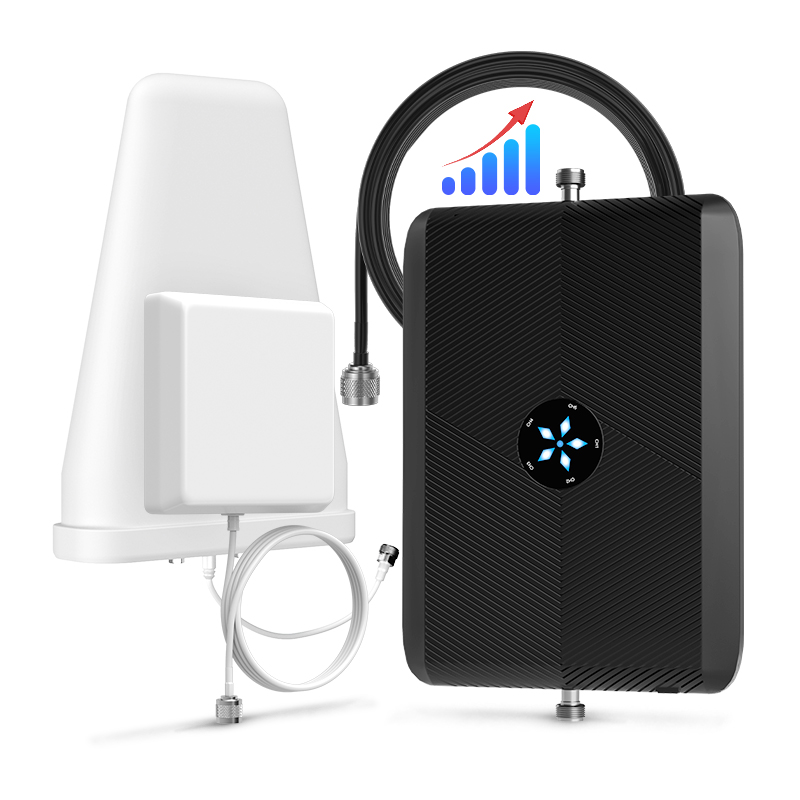
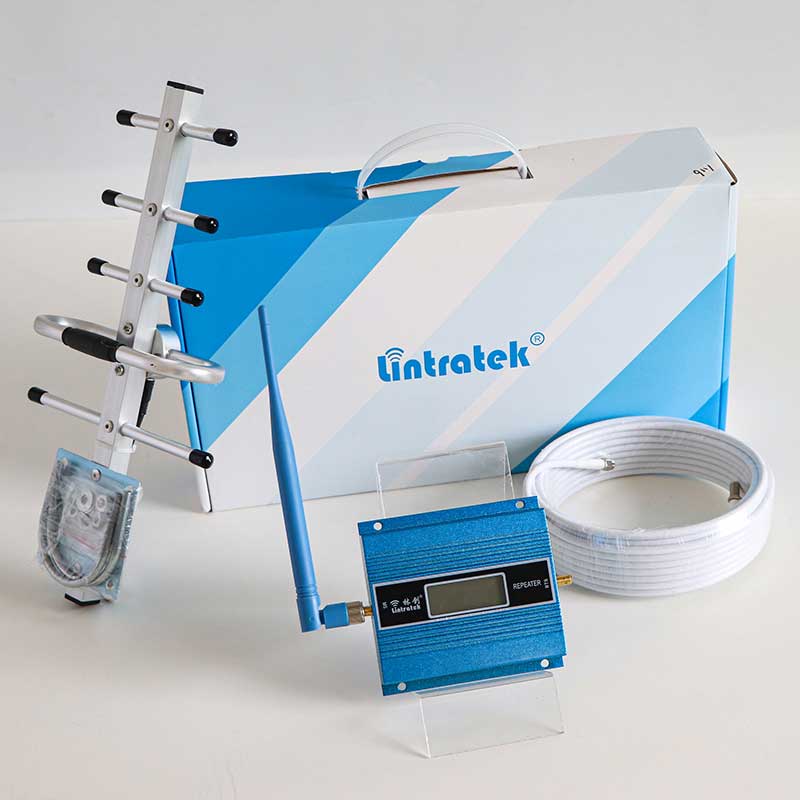
2、If those quick fixes don’t cut it (and for most larger offices or buildings in signal-challenged areas, they won’t), it’s time to look at more effective solutions—starting with a cell phone signal booster.
But not just any booster: in the Philippines, you need one that’s compatible with Globe, Smart, and DITO’s frequency bands (most use 850/2100 MHz for 3G and 700/850/1800 MHz for 4G) and certified to avoid interfering with local networks
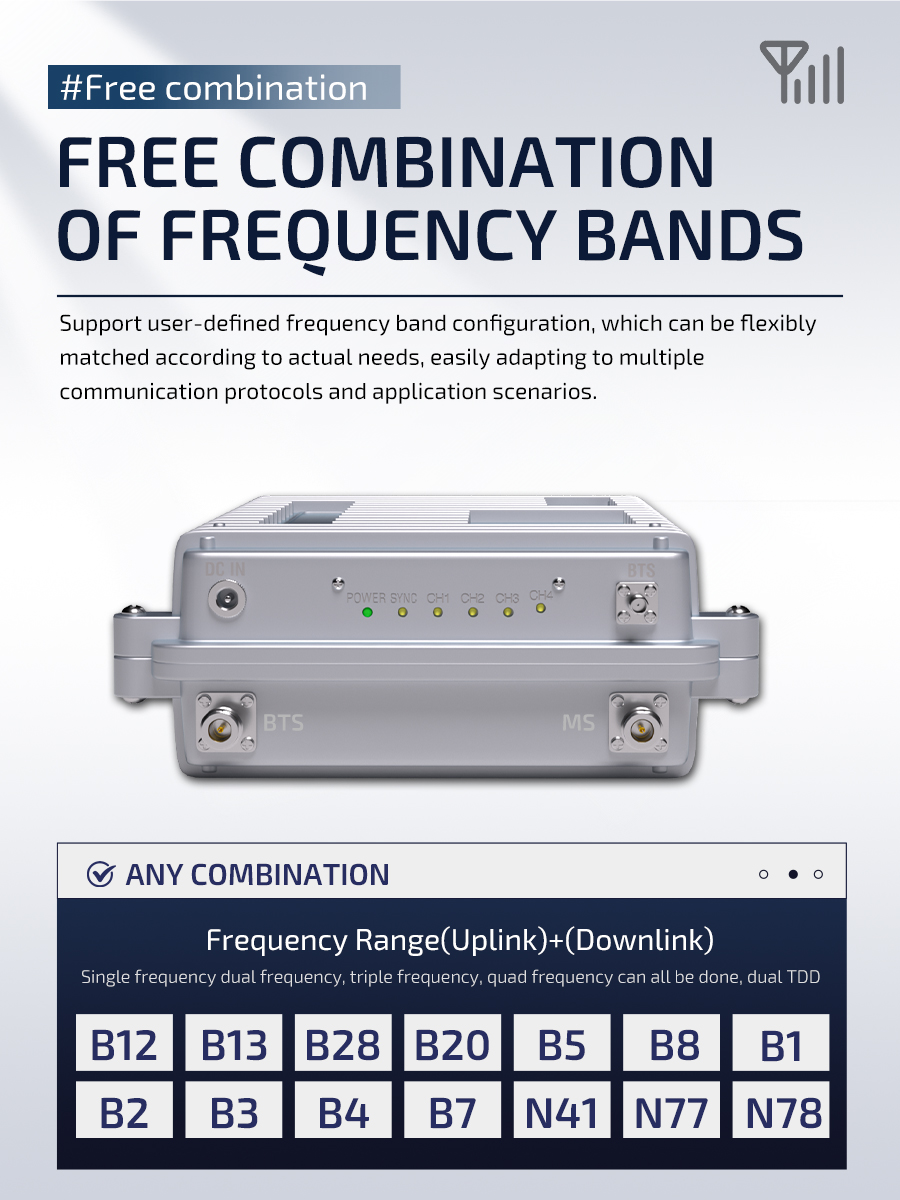
3、working with your carrier or a local signal enhancement company.
Many office building owners in the Philippines don’t realize that carriers like Globe and Smart offer free site surveys to identify signal dead zones. They can also recommend solutions tailored to your building, whether it’s a booster, a small cell (like PHILTOWER’s microcell poles), or a full DAS system. If you’re in a dense urban area, shared IDS infrastructure is becoming more common—multiple carriers share a single system, which cuts costs for building owners and ensures all your team’s devices (no matter which carrier they use) get strong signal.
If you’re tired of dealing with weak signals in the Philippine office – whether it’s disconnections, slow data, or dead zones in conference rooms or basements – you don’t have to solve it alone. I have helped hundreds of office owners across the Philippines solve their signal issues, and I know exactly what applies to different building sizes and locations. Please click here to contact us and provide detailed information about your office: where is it located (Manila, Cebu, Davao, etc.)? How big is your office? What is the biggest signal problem you are facing (disconnection, slow data speed, no signal in some areas)? I will share the specific steps you need to take, without any promotion, just honest and professional advice tailored for the Philippines.
Post time: Mar-25-2026