





If you’ve ever managed a tunnel or underground construction project, you already know: reliable communication is safety. When crews are digging hundreds of meters underground, weak or dead signal doesn’t just slow down work—it puts lives at risk. I’ve spent 14 years designing and installing signal solutions for tough industrial and infrastructure environments, and today I want to walk you through a real project that shows what good, custom engineering can do.
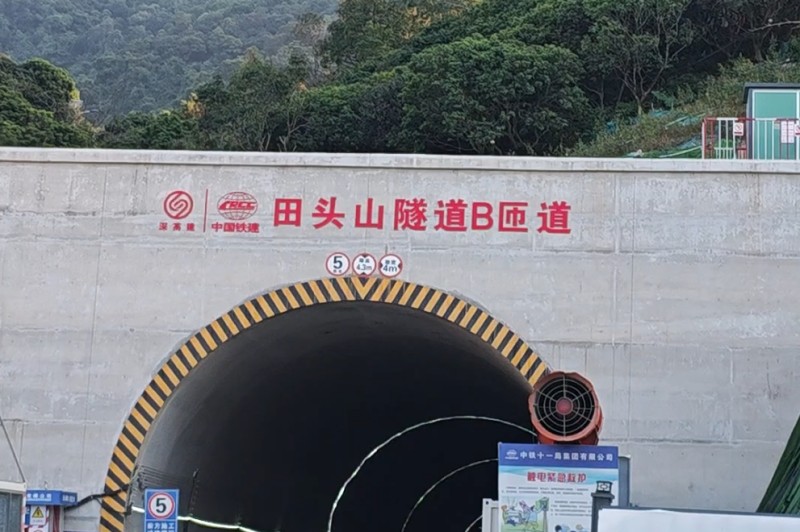
This project was the Tiantoushan Tunnel on the Shenzhen Outer Ring Expressway. It’s a major highway tunnel, about 2.2 kilometers long per hole, and at the time we arrived, the team had finished digging a 600‑meter inclined shaft. As the tunnel went deeper underground, signal from outside towers couldn’t break through thick rock and concrete. Workers often had no bars at all. Coordination was messy, and emergency communication was unreliable. The construction company needed a stable, long‑term solution that could keep up with ongoing digging.
The conditions were far from easy. The tunnel had unstable geology, heavy dust, and 24‑hour machinery running, which created messy electromagnetic interference. Standard signal boosters just wouldn’t last—vibration, dust, and interference would quickly break them or make them unstable. On top of that, the tunnel was still being extended, so the system had to be flexible and expandable, not a one‑time fixed setup.
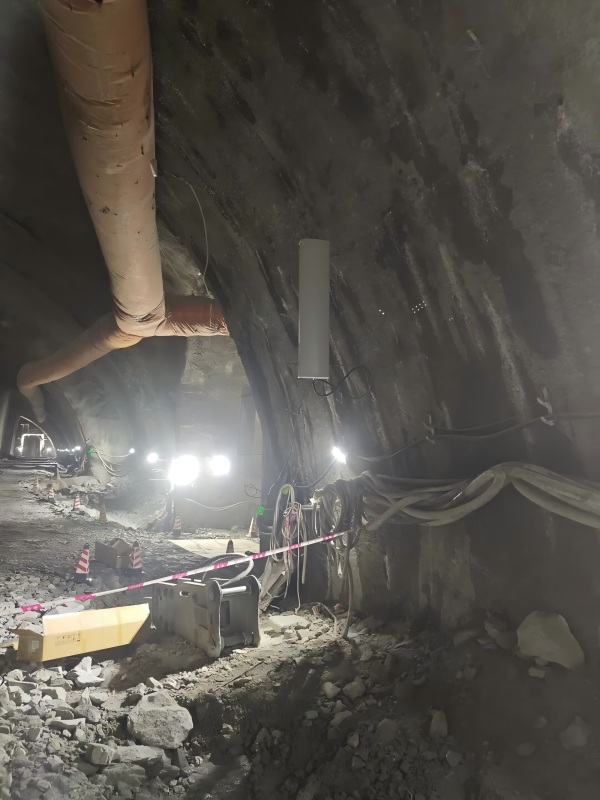
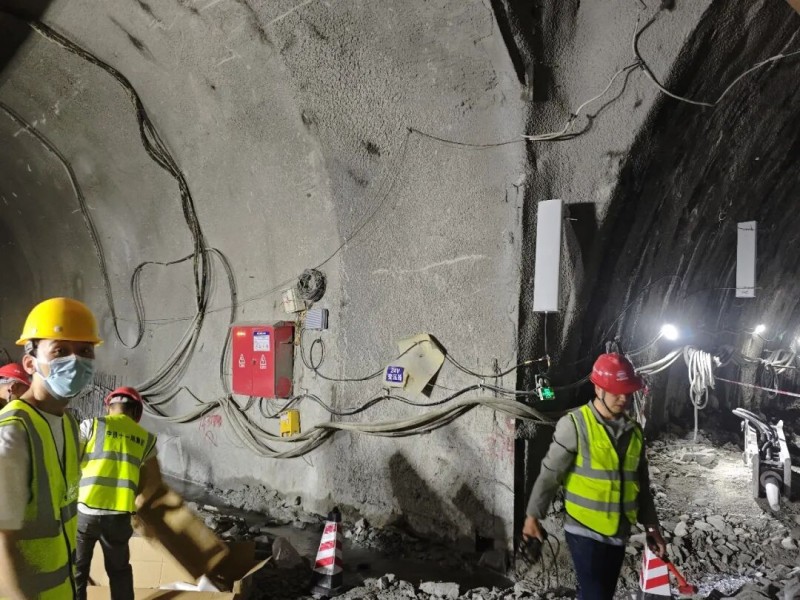
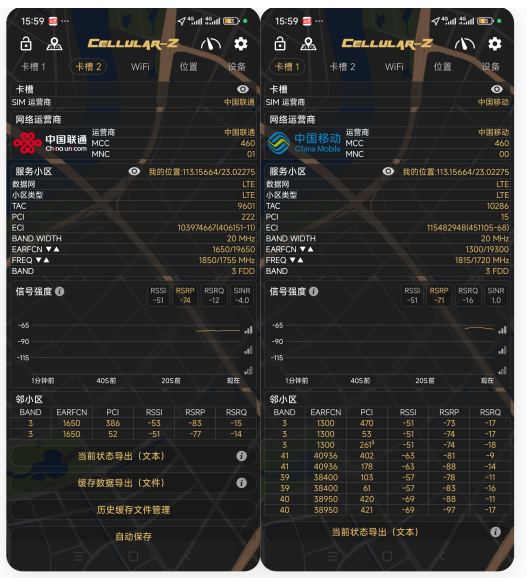
We didn’t use off‑the‑shelf equipment. After a full site survey, we designed a tunnel‑specific signal transmission system built around an outside‑receive, inside‑transmit structure. We placed a compact high‑sensitivity antenna outside the tunnel entrance to catch clean signal from nearby base stations. Using low‑loss fiber cable, we sent that signal deep into the 600m shaft. Inside, wide‑coverage panel antennas spread strong, stable signal across every working area. The whole system was built to resist interference, handle vibration, and grow as the tunnel advanced.
Post time: Apr-24-2026