





I’ve been fixing weak cell signal for 14 years, working with homes, small businesses, and remote properties across the globe. But even I’ve felt the frustration of bad signal firsthand: a first-floor old town home with dead zones in the bedroom and basement, a rural hometown where even a text takes 5 minutes to send, and a balcony that’s the only spot to take a work call.
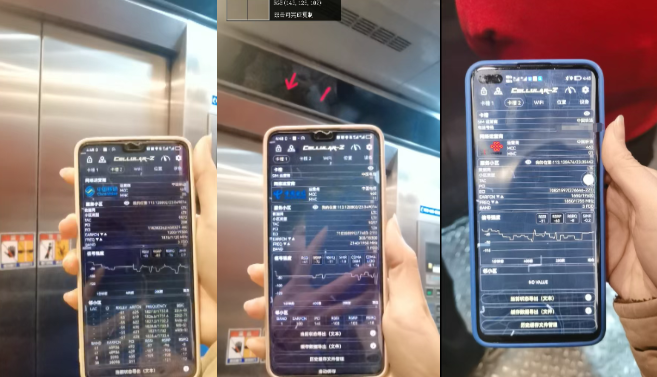
Like so many people, I tried cheap boosters, brand-name options, and even the so-called “hacks” to fix it—spending nearly $300 on trial and error, and learning every single mistake you can make when buying a cell phone signal booster.
All the fancy specs mean nothing if the signal repeater manufacturer cuts corners on compliance, design, or support. After testing three different boosters, digging through hundreds of user reviews, and talking to fellow tech experts, I’m sharing exactly what I learned—no jargon, no hype, just the real rules to pick a booster that actually fixes your dead zones, not creates new problems.
Let’s start with the biggest lie floating around online: the “passive signal boosters” and “signal stickers patch” that claim to turn 1 bar into 5 with just a peel-and-stick. I almost bought one of these cheap stickers myself, until I saw the lab tests—they’re just plastic with a thin aluminum film, no chips, no power, no actual technology. The signal change they create is less than ±3dBm, which is basically nothing. Save your money—these are just an expensive gimmick
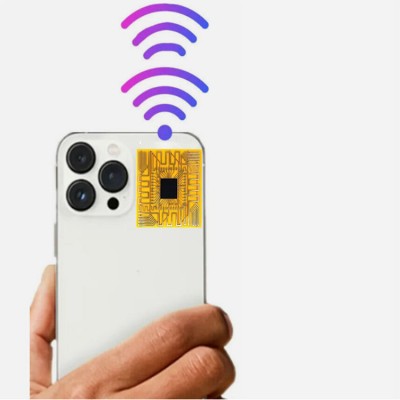
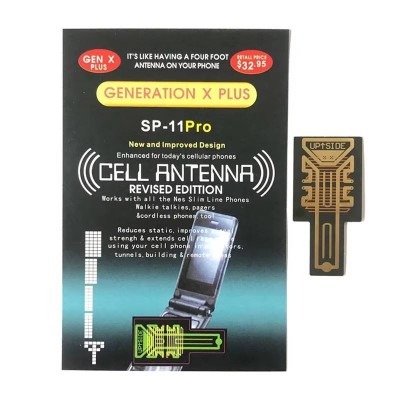
“passive signal boosters” “signal stickers patch”
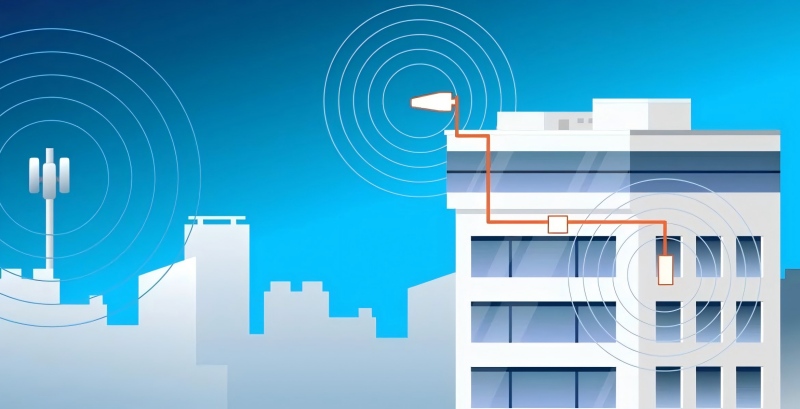
A real, working cell phone signal booster is an active repeater, and it doesn’t just “make signal louder.” It follows a precise, three-step process that’s all about clean signal, not just strong signal. First, an outdoor directional antenna (usually a Yagi antenna) locks onto the faint signal from the nearest cell tower, filtering out background noise with a low-noise amplifier (LNA) to “purify” the signal before it even moves inside. Then, a coaxial cable sends that clean signal to an indoor main unit, where a power amplifier (PA) boosts the signal strength within legal limits. Finally, an indoor omnidirectional antenna broadcasts that boosted signal throughout your space.
And here’s a critical detail most cheap brands ignore: the outdoor and indoor antennas must be far enough apart to avoid oscillation—when the boosted signal bounces back to the outdoor antenna and creates a loop, it messes up your signal and the local cell tower. That’s why so many people get calls from their carrier warning them about interference: cheap manufacturers skip this design step, and cram in too much power to make a “quick fix” that breaks everything else.
The first mistake I made (and one I see everyone make) is buying a booster that’s way too powerful for the space. I let a seller talk me into a commercial-grade booster for my 860 sq ft home, and the result was a disaster: signal that flickered from full bars to zero, calls that cut out mid-sentence, and a system that was totally overkill. Here’s the truth no one tells you: bigger power doesn’t mean better coverage. Boosters are built for specific spaces, and matching the power to your area is the only way to get stable signal. A small residential booster is perfect for homes, single rooms, or small basements—easy to install (I set mine up in 30 minutes, mounting the outdoor antenna on my balcony railing and the indoor one 7.5 feet high on the bedroom wall) and just enough power to cover the space without interference. Commercial boosters work for offices, shops, and open spaces up to 3,200 sq ft; go bigger than that, and you need multiple antennas. Industrial boosters are for tunnels, large warehouses, and construction sites—never use one in a home.
My rural hometown only has 2G and 4G signal, so a 5G-only booster was completely useless there. I had to switch to a dual-band 2G/4G booster to get basic calls and internet working again. City dwellers can go for 4G/5G multi-band boosters for faster data, but remote areas only need the bands your carrier actually uses—no need to pay extra for 5G if it’s not available where you live.

If you want to avoid the trial and error I went through, there are non-negotiables to check before buying any signal booster.
First and foremost: look for official regulatory certification.
Second: ignore the “high gain” hype and check the real specs.
Third: great team support is just as important as a great product.

Let’s be clear: a network cell phone signal booster is not a magic wand. Its performance depends on how far you are from the cell tower, the materials of your building (concrete and metal kill signal), and even the quality of the cables you use. Any brand that claims “100% coverage everywhere” or “one-click full bars” is lying—those are just marketing buzzwords to sell cheap products. After $300 of trial and error, I finally have a booster that works for my home and my rural hometown, and it’s not the most expensive one I bought. It’s the one from a brand that checks all the boxes: certified, designed for my space, and backed by real support. That’s the secret to picking a good booster—the brand, not the price tag or the fancy specs.
And if you’re ready to stop the frustration and get reliable signal for good? Reach out. I’ll walk you through the certification check, help you match the right booster to your space, and even share my go-to tips for installation to make sure it works the first time. No more peeling signal stickers, no more cheap boosters that cause interference, no more standing on a balcony to take a call. Let’s get your signal fixed—for good.
Post time: Mar-07-2026