





I was at a home improvement show last month when I saw a vendor yelling into a megaphone: “This network signal repeater covers 5,000 square feet! One device for your entire house, garage, and backyard!” A guy next to me was about to pull out his wallet, so I leaned over and said, “Hold on—let me ask you a quick question.” I turned to the vendor and said, “What’s the incoming signal strength you’re basing that 5,000 sq ft claim on?” He stammered for a second, then changed the subject. That’s the problem with most signal repeater ads—they throw out huge coverage numbers like they’re guaranteed, but 9 times out of 10, they’re not telling you the whole story. After 14 years in this business, I’ve seen countless people buy a repeater based on a big coverage claim, only to find it barely covers their living room. Let’s break this down—no jargon, just the real truth about coverage areas.
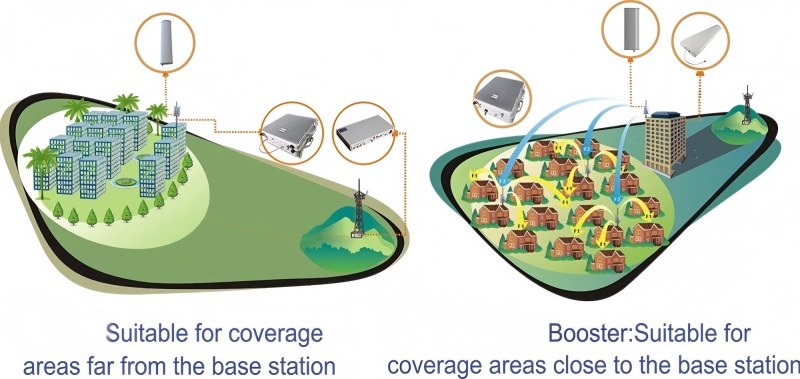
1、A signal repeater’s coverage area isn’t a fixed number. It’s not like a light bulb that covers 500 sq ft no matter what—its range depends entirely on two things: the strength of the incoming signal (from the cell tower) and the environment it’s installed in. Let’s start with incoming signal, because that’s the biggest factor. If you live near a cell tower and have 4-5 bars (around -70 to -80 dBm) outside your home, a mid-range 3g 4g cellphone signal repeater/booster might actually cover 3,000-4,000 sq ft—maybe even more if your house has thin walls. But if you’re in a rural area with 1 bar (-95 to -105 dBm) outside? That same repeater might only cover 500-1,000 sq ft. I installed one for a farmer in Iowa last year—he bought a repeater advertised as “2,500 sq ft coverage,” but his incoming signal was -102 dBm. After installation, it only covered his kitchen and living room—about 800 sq ft. He wasn’t mad at the repeater itself; he was mad he’d been lied to about the coverage.
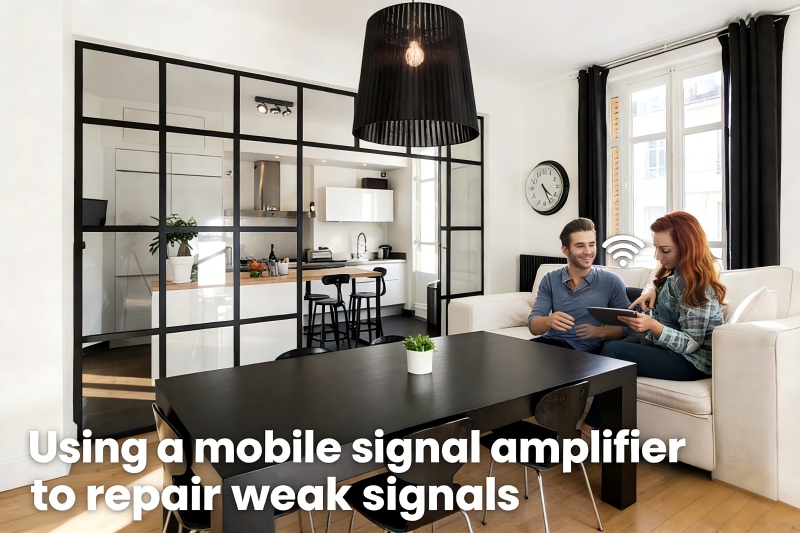
2、environment:walls, floors, and even furniture kill coverage. A LTE signnal repeater in a small apartment with drywall walls will cover more area than the same model in a two-story brick house with metal roofing. I had a client in Chicago who bought a repeater for her 1,200 sq ft condo—she had great incoming signal, but the condo was in an old building with thick plaster walls. The repeater covered her bedroom and home office, but the living room (on the other side of a load-bearing wall) still had spotty signal. We ended up adding a second indoor antenna, but she never would’ve needed it if the vendor had been honest about how walls affect coverage. Even small things matter: metal bookshelves, large appliances, and even fish tanks (water blocks signal) can shrink the effective range.
So why do vendors lie about coverage areas? Simple—big numbers sell. A repeater advertised as “5,000 sq ft” will get more clicks than one that says “500-4,000 sq ft depending on incoming signal and environment.” But here’s the kicker: Most reputable brands don’t make these outlandish claims—they’ll give you a range (like 1,000-3,000 sq ft) and explain the factors that affect it. The ones you need to watch out for are the no-name brands on Amazon or eBay, with photos of huge houses and bold claims like “covers any home!” Such signal coverage claims may be based on perfect laboratory conditions (no walls, strong incoming signals), which are impossible in real life.
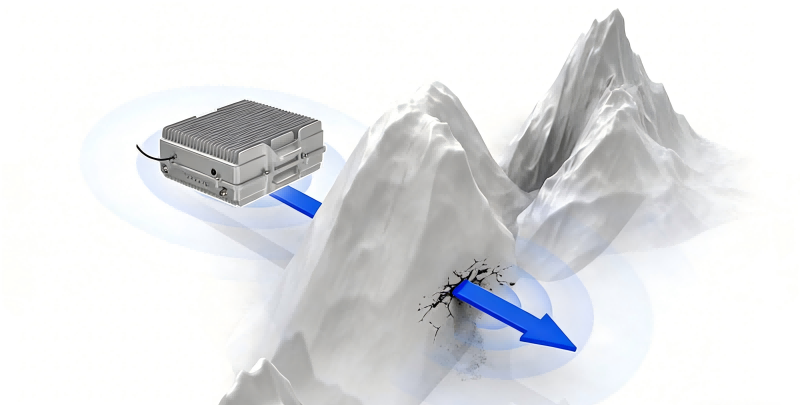
Ultimately, cell phones signal repeaters are excellent tools for signal enhancement. It’s just that this misleading hype makes people feel like they’re wasting money and haven’t found a satisfactory product. Actually, you don’t need a multi-band mobile repeater that covers 5000 square feet. What you really need is a repeater that can cover your required space and has the signal strength you need.
If you are purchasing a signal repeater and want to avoid excessive advertising, please click on contact based on your situation: What is the signal strength (dBm) in your area? How large is the area you need to cover? What kind of walls do you have (drywall, brick, plaster)? I will personally help you figure out the actual coverage range you can expect and recommend signal booster models that do not make excessive promises. There is no sales conversation, Just a sincere suggestion.
Post time: Jan-26-2026