





We’ve all been there: you step into an elevator, your phone’s signal bars drop to zero, and you’re left staring at a dead screen—missing a client call, a family check-in, or even unable to call for help if the elevator stops unexpectedly. Elevators are the workhorses of modern buildings, but their metal walls and concrete construction turn them into signal black holes, and it’s a frustration no one should have to put up with.
The good news? An elevator cell phone signal booster isn’t some fancy tech gimmick—it’s a straightforward fix that works, if you know how to choose the right one. After years of helping buildings solve this exact problem, I’m breaking down why elevators kill signal, how these 3g 4g cell phone signal boosters actually work, and the mistakes everyone makes when buying one—no jargon, just real talk to get you full signal, even in the tightest vertical spaces.
First, let’s clear up the biggest myth: elevator signal loss isn’t about the cell tower being too far away. It’s all about physical shielding. Your phone’s signal is just electromagnetic waves, and when those waves hit a closed metal elevator cab, they don’t just pass through—they bounce off the metal walls like a ball in a pinball machine, and what little doesn’t bounce gets absorbed by thick concrete. To make it worse, elevators create something called a resonant cavity effect: the waves get trapped inside the cab, bouncing back and forth until their energy is completely wasted. That’s why even if you have full bars right outside the elevator, you’re instantly offline once the doors close—it’s not a network issue, it’s a physics one.
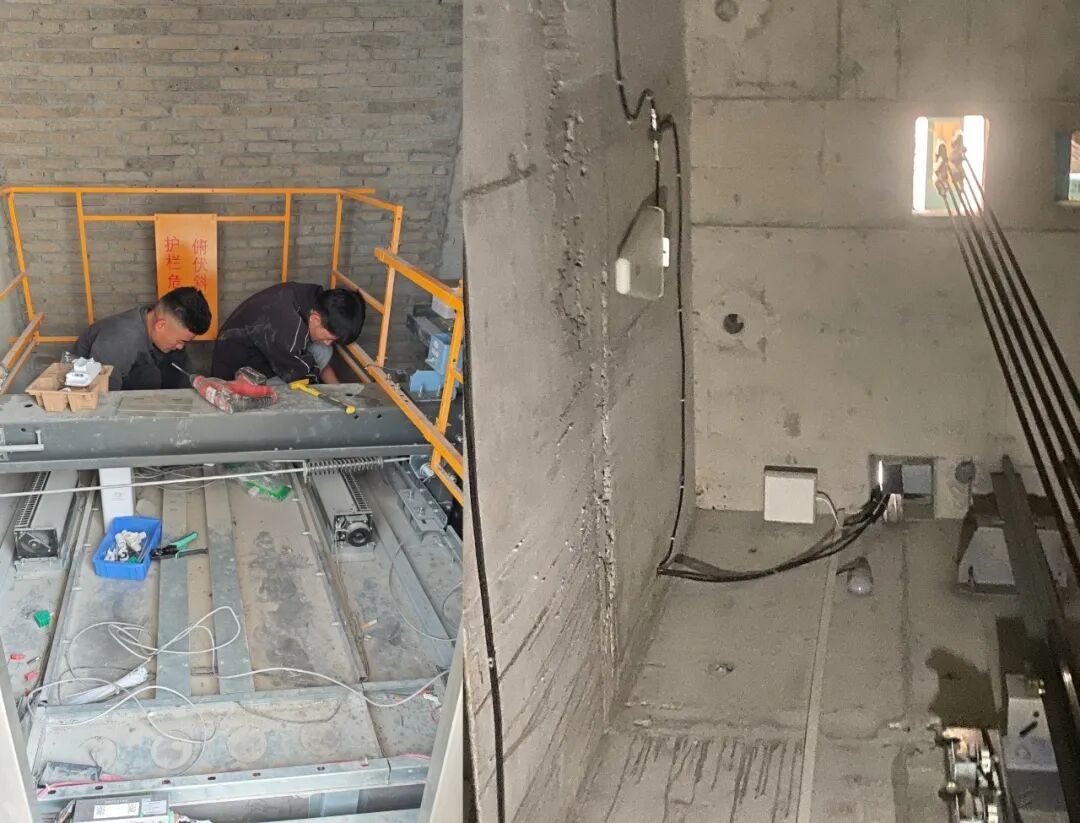
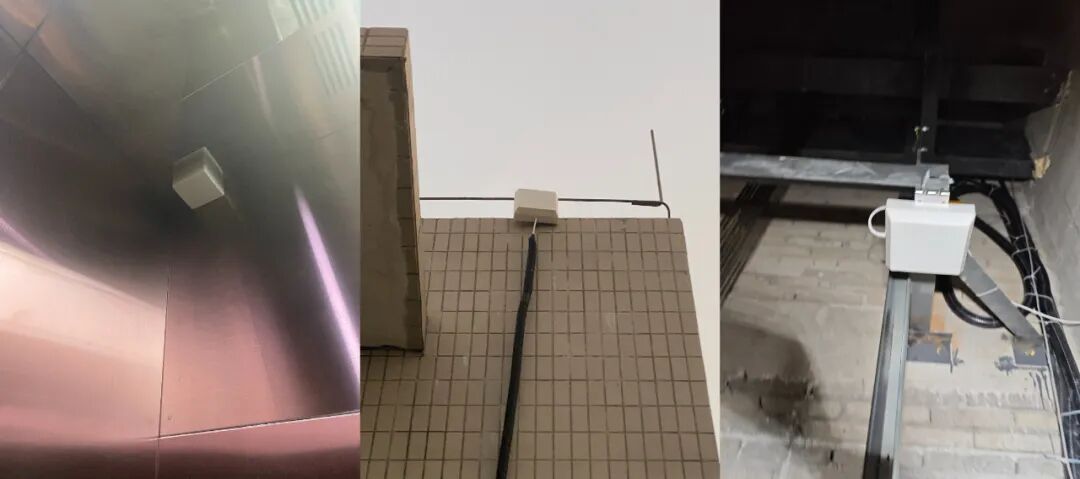
So how do elevator signal boosters beat this physics problem? It’s all about a simple three-step relay system, and it’s not rocket science. First, a directional outdoor antenna is mounted on the elevator shaft or the building’s roof, pointed directly at the nearest cell tower. This antenna snags even the faintest signal that’s floating around the building—signal so weak your phone could never pick it up on its own. Next, that weak signal travels to a booster unit, which amplifies its strength and filters out all the messy interference from the elevator’s control systems, lights, and other building electronics.
This step is crucial: it’s not just about making the signal louder, it’s about making it cleaner. Finally, a small omnidirectional antenna inside the elevator cab broadcasts that boosted, filtered signal to every corner of the car.
Here’s the catch, though: not all elevator signal boosters are created equal, and the internet is full of cheap options. I’ve talked to so many building managers and homeowners who spent money on a booster only to find it doesn’t work, or it causes more problems than it solves. The issue isn’t that the technology is bad—it’s that people buy based on price or random specs, not the three key features that actually matter for elevators. Let’s break these down, because they’re the difference between a booster that works for years and one that ends up in the trash.
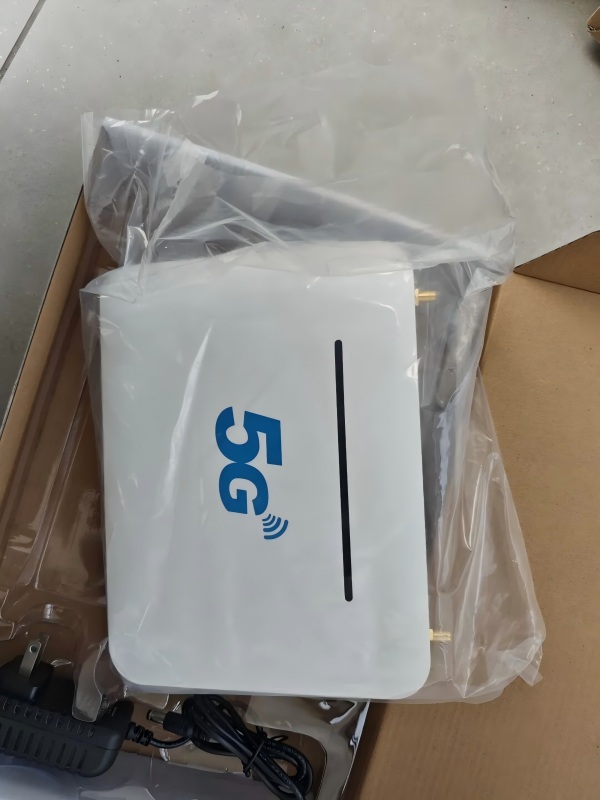
First is band compatibility. If you buy a booster that only supports one or two bands, you’re setting yourself up for failure. Today, we’re all using 4G, 5G, and even some 2G/3G for basic calls, and every carrier uses different bands. I’ve seen people buy a cheap single-band booster just to make calls, only to realize they can’t load a webpage or send a text—totally defeating the purpose. The best elevator boosters support multiple bands (tri-band, five-band) and work with all major carriers, so you don’t have to replace the device when 5G becomes more widespread or you switch providers. It’s a one-and-done fix, not a temporary band-aid.
Second is automatic gain control (AGC). A lot of people think “higher gain = better signal,” but that’s the worst mistake you can make with an elevator booster. Too much gain causes signal overload, which leads to that annoying static or “feedback” sound on calls—we call it “oscillation.” It can even interfere with the building’s other electronics or the local cell tower, getting you a complaint from your carrier. A good booster doesn’t just cram maximum gain into a small unit; it has AGC technology that adjusts the signal strength automatically. If the tower signal is strong one day and weak the next, the booster adapts—no manual tweaks, no overload, just steady, clear signal every time.
Third is anti-interference design. Elevators are noisy places for signals—between the motor, the control panel, and the lighting, there’s a lot of electromagnetic interference floating around. Cheap boosters skip the shielding and filtering needed to block this noise, so your boosted signal is just as spotty as the original one. Quality signal boosters use metal shielding on the unit and advanced filter circuits to cut out all that interference, so even when the elevator is moving at full speed, your signal stays solid. You can scroll, call, or text without a single freeze or drop—that’s what a good booster does.
A good elevator signal booster isn’t just about scrolling social media in the lift; it’s about having a lifeline if something goes wrong, about never missing an important call, and about making your building’s elevators as functional as they should be. Every modern building deserves reliable signal in every corner, including the vertical ones.
If you’re dealing with a signal dead zone in your building’s elevators—whether you’re a property manager, a business owner, or a homeowner in a condo—you don’t have to put up with it any longer. Click here contact below with your situation: how many elevators do you have? What’s the biggest issue you’re facing (dropped calls, no signal at all, slow data)? I’ll share exactly what kind of booster you need, and break down how to avoid the mistakes everyone else makes. No sales pitches, just honest advice from someone who’s fixed this problem for hundreds of buildings.
Post time: Feb-25-2026