





I’ve spent 14 years in the RF (Radio Frequency) industry, and if there’s one thing I know for sure, it’s that industrial food factories are “signal killers.” I recently got back from a site visit to a massive food processing plant in Colombia, and it was a perfect example of why standard coverage plans fail in heavy industry.
When you’re dealing with thousands of square meters of reinforced concrete, stainless steel machinery, and thick metal cladding, you aren’t just looking at a building—you’re looking at a giant Faraday cage. For the engineering team on the ground, getting a stable link isn’t just a convenience; it’s critical for logistics, safety, and operational uptime.
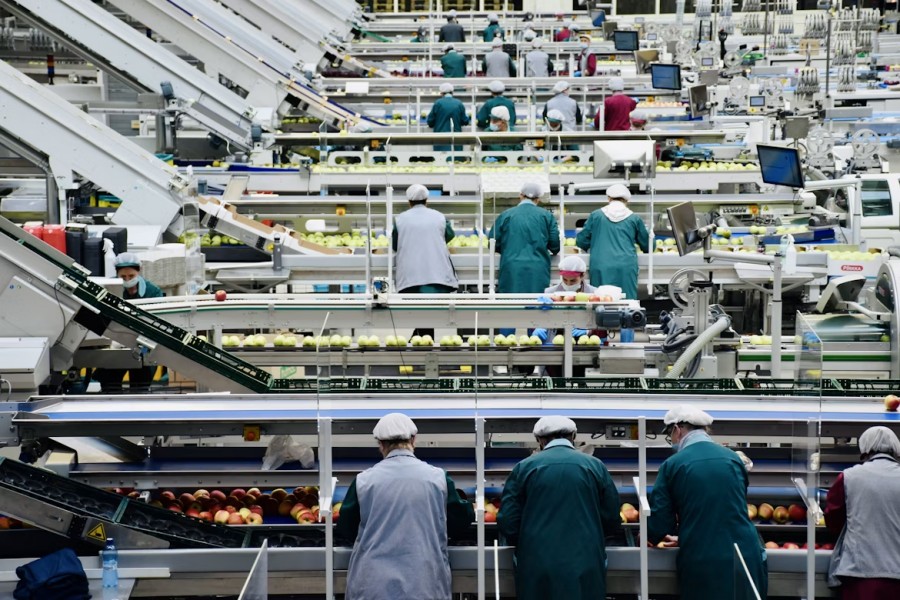
The Industrial Challenge: More Than Just Thick Walls
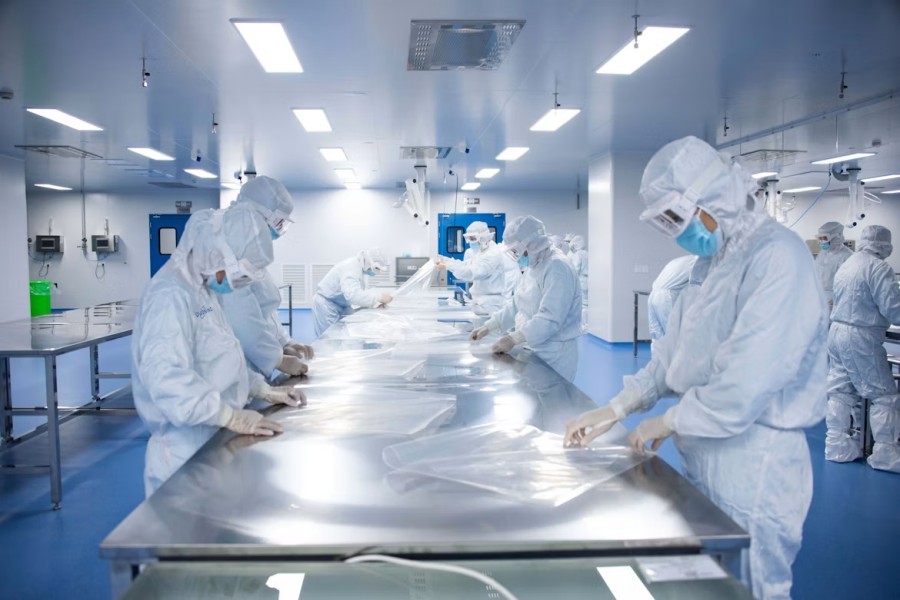
In the Colombia project, the client was struggling with “black holes” in the cold storage and packaging wings. These are high-hygiene zones where the walls are essentially sheets of metal. A typical consumer booster would just scream back at itself (oscillation) or die within months due to the humidity and temperature swings.
For pros like us—the integrators and EPC contractors—the goal isn’t just to “show bars.” It’s about building a system that can punch through that steel without interfering with the local carrier towers.
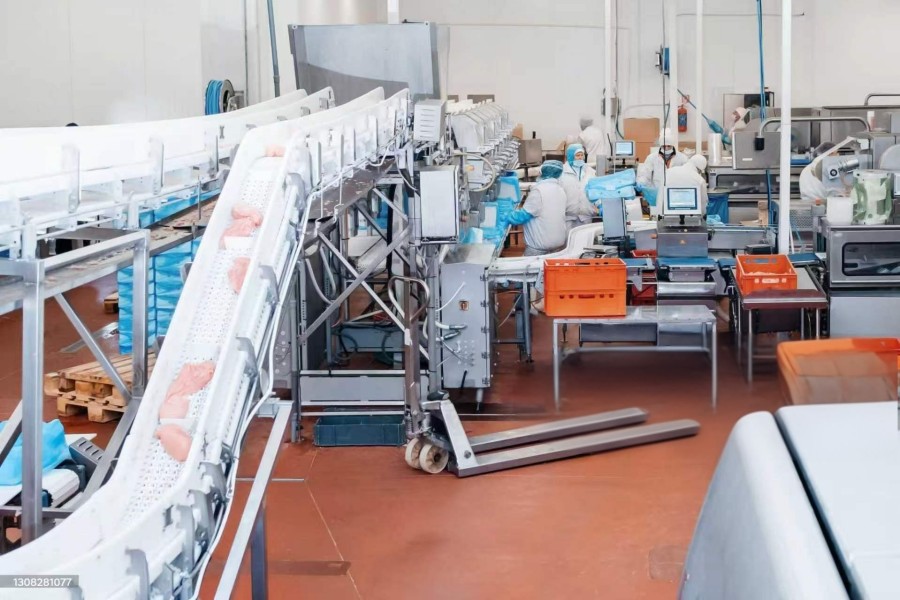
Why We Went with Engineering-Grade “Intelligence”
In a plant this size, you can’t just guess. We designed the link budget using our high-gain engineering repeaters (like the KW30A/KW35A series). Why? Because of the ALC (Auto Level Control).
In an industrial zone, the outdoor signal can fluctuate wildly depending on weather or cell tower load. If your repeater doesn’t have smart gain adjustment, you’ll be back on site every two weeks tweaking the settings. By using gear with smart protection, we ensured that the system protects the carrier network while maintaining a rock-solid internal link. For the integrators I work with, this is the difference between a profitable project and a money-losing service-call nightmare.
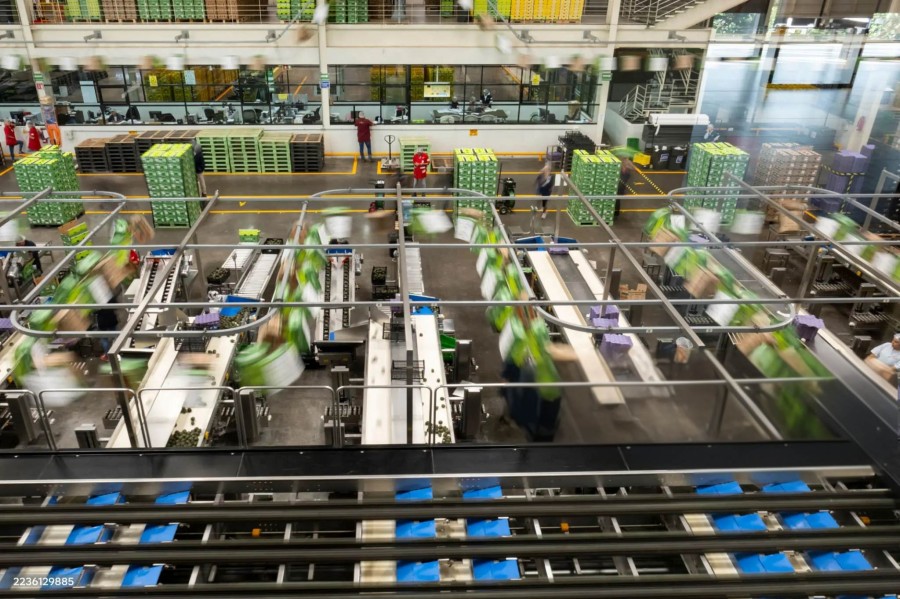
Scaling for the Global Distributor
One thing I discussed with our partners in the region is that industrial clients in Colombia (and across Latin America) are shifting. They no longer want cheap, uncertified hardware. They want systems that carry CE and FCC marks because it reflects the stability of the R&D.
At Lintratek, we’ve built our reputation on these “tough” environments. Whether it’s a food plant in Bogota or a warehouse in North America, the technical requirement is the same: hardware that can handle 24/7 operation in harsh conditions. We aren’t just selling a box; we’re providing the R&D backbone that allows a distributor to bid on these large-scale government or corporate contracts with confidence.
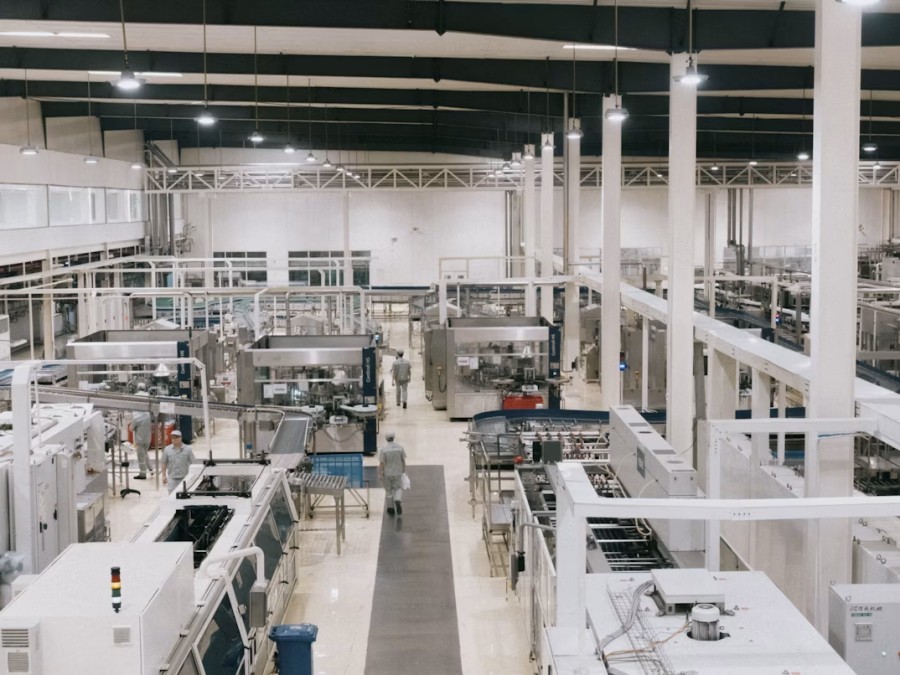
The Result: Real Bars, Real Data
After 72 hours of installation, we moved from zero signal to seamless 4G/5G coverage across the entire floor. Staff could finally sync logistics data in real-time without walking to a window.
But the real win for the engineering team was the stability. No interference complaints from local carriers and a “set and forget” system that lets the factory focus on food, not phone calls.
Let’s Look at Your Blueprint
If you’re an EPC contractor or a weak-current integrator currently staring at a difficult floor plan—maybe it’s an industrial plant, a basement, or a sprawling warehouse—don’t just throw hardware at the problem.
Let’s talk technicals. I’ve seen pretty much every signal challenge there is over the last decade and a half. If you send me your project specs or a CAD drawing, I’d be happy to walk you through how we’d design the link budget to make sure your project stays “lit up” for the long haul.
Post time: Jun-30-2026