





I’ve spent 14 years in the cell signal enhancement industry, and if there’s one thing I know for sure, it’s that the full signal bars you take for granted every day aren’t magic. They’re the work of a piece of tech most people have never heard of: the digital fiber repeater. It’s the reason you can send a text in an underground parking garage, stream a video in a crowded mall, or make a call on a remote mountain road—and the companies building these reliable devices are the quiet backbone of global cellular communication. For too long, these tech innovators have flown under the radar, solving our most frustrating signal problems with hard-core engineering while the world praises phone makers and network carriers. Today, I’m pulling back the curtain on this critical technology, and breaking down why digital fiber repeaters (and the brands like Lintratek that master them) are the unsung heroes keeping us all connected, no matter where we are.
We’ve all been there: weak signal in rural areas that makes calls cut in and out, static-filled indoor conversations, or total blackouts in tunnels and basements. Not that long ago, this was the norm—and it was all because of the limitations of analog repeaters, the old-school tech that used to be the only option for signal boosting. Analog repeaters do one simple thing: amplify every radio frequency signal they pick up, and that’s the problem. They don’t distinguish between the actual cell signal and the noise from other electronics or the environment—so they amplify the static right along with the signal. As any tech who’s worked with them will tell you, they just make a bad signal louder, not better. Users summed it up perfectly: the more you amplify, the worse it gets.
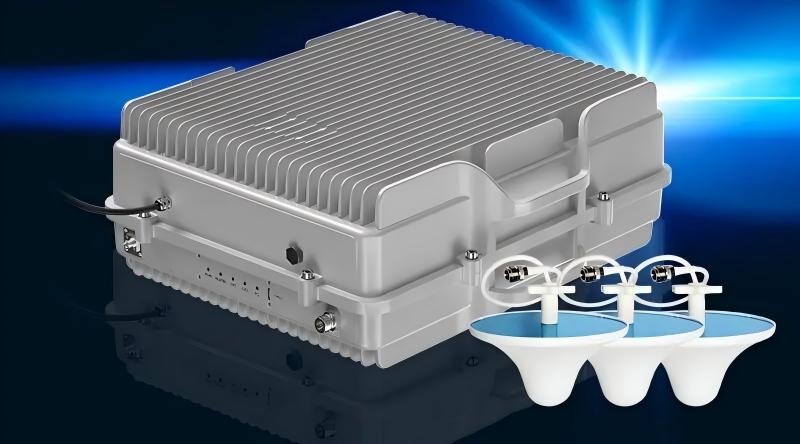
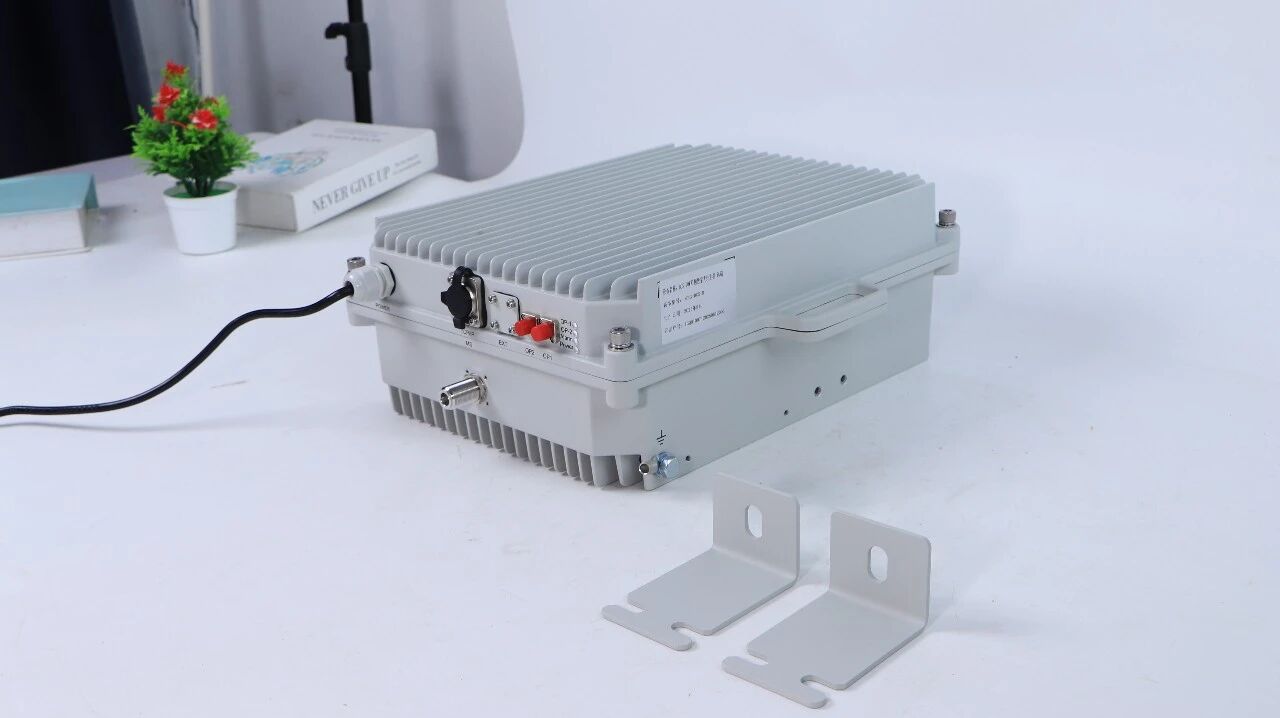
Then digital fiber repeaters came along, and they changed everything—especially when brands like Lintratek combined digital signal processing with fiber optic transmission to fix the analog repeater’s flaws for good. This wasn’t a small upgrade; it was a complete reimagining of how signal boosting works. First, these repeaters use digital signal processing (DSP) to convert weak RF signals into clean digital data. Then, custom algorithms filter out every bit of noise, control gain with pinpoint accuracy, and eliminate interference—so the signal that comes out the other end is pure, no static, no distortion. That’s why your indoor calls sound clear and your video streams don’t buffer anymore: the signal isn’t just stronger, it’s cleaner from the start. The second game-changer is the fiber optic transmission. Unlike traditional copper cables that lose signal strength over distance and pick up electromagnetic interference, fiber optics are like a superhighway for signals. They have massive bandwidth, lose almost no signal even over kilometers of transmission, and shrug off even the strongest electromagnetic interference. This is what makes long-distance coverage in mountainous areas and deep coverage in tunnels possible—fiber optics carry the clean digital signal where copper cables could never go. Together, digital processing and fiber optics ended the era of “hit or miss” signal, and gave us the true signal freedom we all enjoy today.
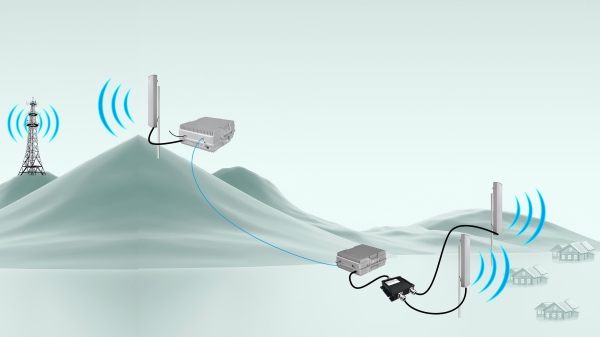
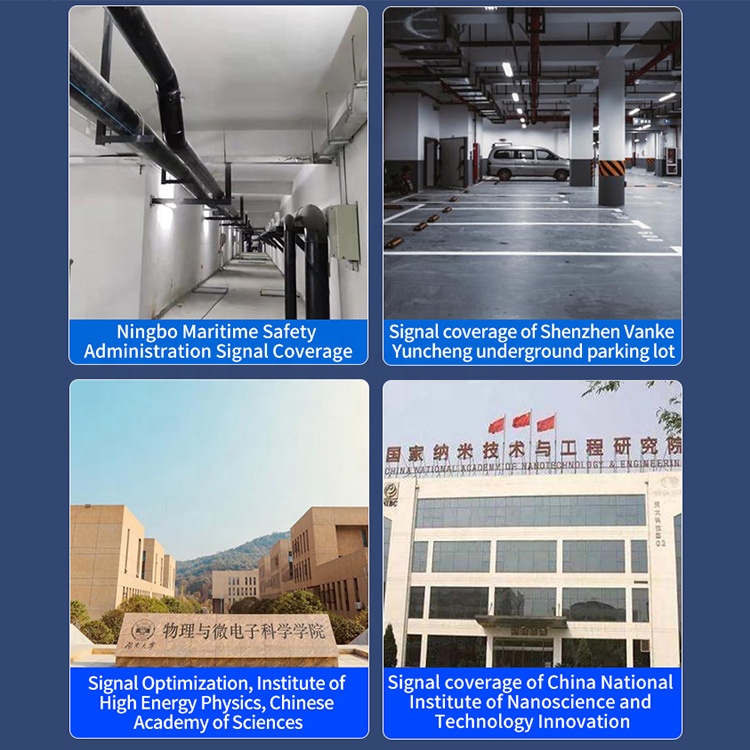
If you ask any cellular carrier what their go-to tool is for fixing signal dead zones, they’ll tell you the same thing: digital fiber repeaters. I’ve talked to dozens of network engineers and carrier reps over the years, and they all rave about these devices—and for three very good reasons, each one solving a huge pain point in cellular network building. Let’s start with unmatched scene adaptability. A digital fiber repeater doesn’t care if it’s working in a dense urban high-rise, a signal-blocking underground parking lot, a remote desert, or a long tunnel. All you have to do is tweak a few parameters—gain, frequency bands, output power—and it fits the space perfectly. For city areas, small-power repeaters fill in signal gaps in office buildings and shopping districts with pinpoint precision. For rural mountains, you link multiple repeaters together (a setup we call cascading) to cover entire regions for kilometers on end. It’s custom coverage without the custom hassle, and it works everywhere.
The second reason carriers love these repeaters is unbeatable cost and efficiency. Let’s be real: building a new macro base station is a nightmare. You have to buy land, build the infrastructure, test and debug the system—and the whole process takes months and costs a fortune. A 5G macro base station alone can cost tens of thousands of dollars, before you even factor in construction and labor. Digital fiber repeaters change that math completely. They cost over 60% less than building a new base station, require almost no pre-construction prep, and can be installed and up and running in just a few days. Need temporary coverage for a concert or sports game? Deploy a few repeaters, and you’re good to go. Had a natural disaster take out local cell towers? Roll out repeaters to restore emergency communication fast. For daily signal gap filling or urgent emergency support, these devices deliver maximum results with minimum time and money—they’re the definition of cost-effective.
Third, and maybe most importantly, digital fiber repeaters are future-proof for every network generation. From 2G to 5G (and soon 6G), these devices work with every cellular standard out there, and they integrate seamlessly with the carrier’s existing network. Network upgrades are already expensive and time-consuming for carriers—they don’t need to replace every signal booster every time a new generation of cellular tech comes out. Digital fiber repeaters eliminate that headache: they adapt to new frequencies and standards, so carriers don’t have to rebuild their signal boosting infrastructure from scratch. This isn’t just a nice-to-have feature; it’s a lifesaver for carriers looking to upgrade their networks without breaking the bank.
What makes digital fiber repeaters truly special is that they don’t just fix one signal problem—they fix all of them. I’ve seen these devices transform connectivity in every corner of the globe, from the busiest city centers to the most remote rural villages, and they’re everywhere you need reliable signal. In cities, they’re the reason you don’t have to hunt for a signal in a mall, subway, or high-end office building. We deploy them in a distributed setup, placing small units throughout these closed, signal-blocking spaces to fill every dead zone with strong, clean signal. No more holding your phone up to a window to send an email, no more buffering when you’re trying to pay for coffee with your phone—just consistent signal, everywhere inside.
In remote areas, digital fiber repeaters do something even more important: they bridge the last mile of connectivity. For mountain villages, desert communities, and island towns where building a macro base station is impossible or too expensive, these repeaters are a game-changer. We run fiber optic cables from the nearest cell tower to a high point—like a mountain top or a tall building—then use a digital fiber repeater to amplify that signal and cover the entire area. I’ve talked to villagers in these remote places who tell me they can now stream short videos, video chat with family far away, and even run small businesses online—things that were unthinkable just a few years ago. These devices don’t just bring signal to rural areas; they bring the digital world, and all its opportunities, right to people’s doorsteps.
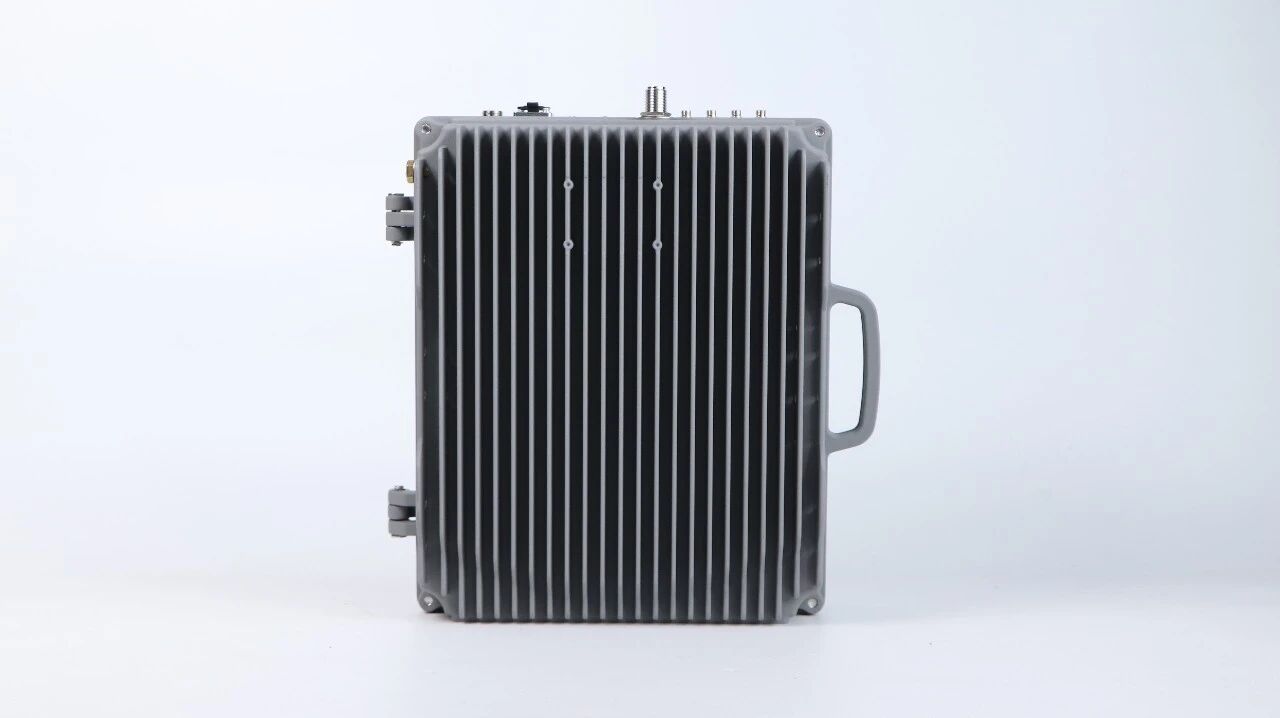
After 14 years in this industry, I still marvel at how a single piece of technology can make such a huge impact on our daily lives. Digital fiber repeaters don’t have the flash of the latest smartphone or the brand recognition of a big carrier, but they’re the reason our cellular networks work as well as they do. They’re the quiet innovators fixing the signal problems no one else can, filling the gaps, and making sure we’re connected—whether we’re in a crowded city, a remote mountain, or a disaster zone. Brands like Lintratek have spent years perfecting this technology, innovating again and again to make digital fiber repeaters more reliable, more adaptable, and more efficient—and they deserve to be recognized for the work they do.
We’re living in a world where connectivity isn’t just a convenience; it’s a necessity. And as 5G keeps evolving and 6G research moves forward, digital fiber repeaters will only become more important. They’ll be the backbone of the next generation of cellular networks, keeping us connected no matter how advanced our tech gets.
Post time: Mar-24-2026