





Camping in the great outdoors—whether in remote mountain valleys or quiet forest clearings—offers unforgettable adventures. But unexpected emergencies, from sudden storms to getting lost, can turn excitement into stress. The key to staying safe? A well-thought-out emergency kit and proactive planning. And for one often-overlooked yet critical need—reliable communication—a trusted cell phone signal booster can be a lifesaver when weak or no signal leaves you stranded.
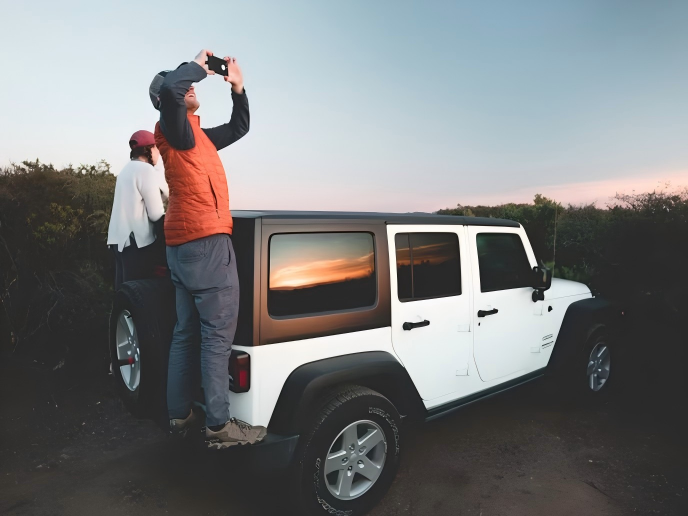
1. Communication Tools: Don’t Rely on Luck for Signal
In 78% of camping emergency cases reported by outdoor organizations, “no cell signal” delayed help arrival by 3+ hours. When you’re miles from the nearest town, standard phone service often fades to nothing—but you can fix this with two essential tools:
A. Lintratek Rural GSM Signal Booster: Your Link to the Outside World
Remote camping spots (like mountain trails or forest campsites) typically have weak rural GSM signal—too faint for calls or texts. A compact, Lintratek network portable signal booster changes that: it captures distant tower signals (even as weak as -115dBm) and amplifies them to reliable levels (-70dBm to -80dBm), enough to make emergency calls to 911 or share your GPS location with rescuers.
Look for models like Lintratek’s KW05N : it’s lightweight (about 600g), runs on battery , and fits in your backpack. Unlike bulky alternatives, it’s designed for outdoor use.With its built-in 1000mAh battery, the KW05N offers up to 6 hours of continuous operation and even doubles as a handy phone charger.
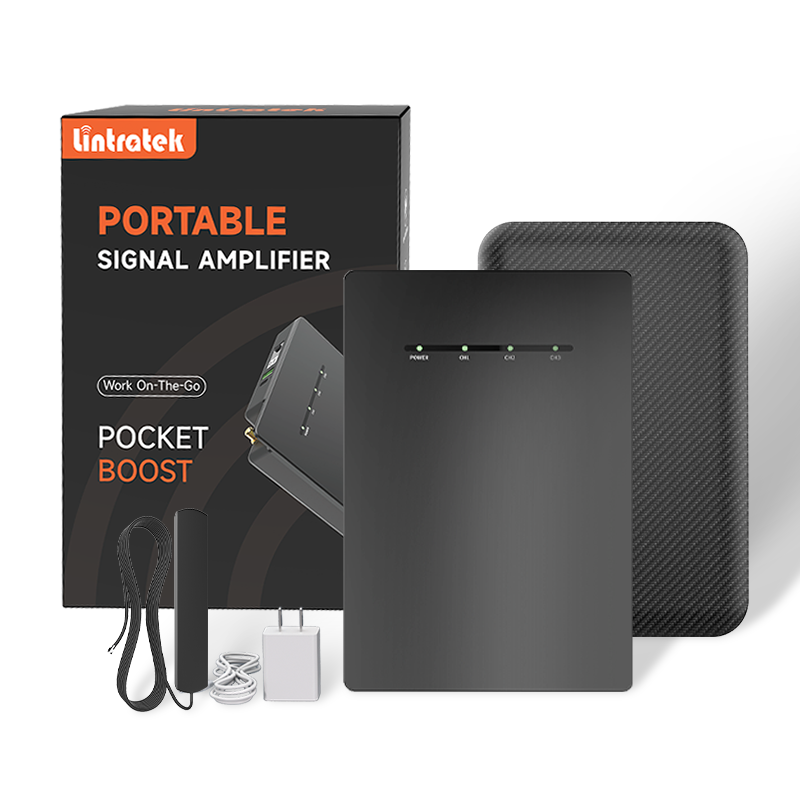
Lintratek network portable signal booster
And this mobile signal booster for car features an integrated indoor antenna for hassle-free setup, making it an ideal companion for road trips and daily commutes. Equipped with Automatic Level Control (ALC), it prevents signal overload and ensures seamless performance with most vehicle antennas.

B. Backup Communication: Walkie-Talkies & Emergency Beacons
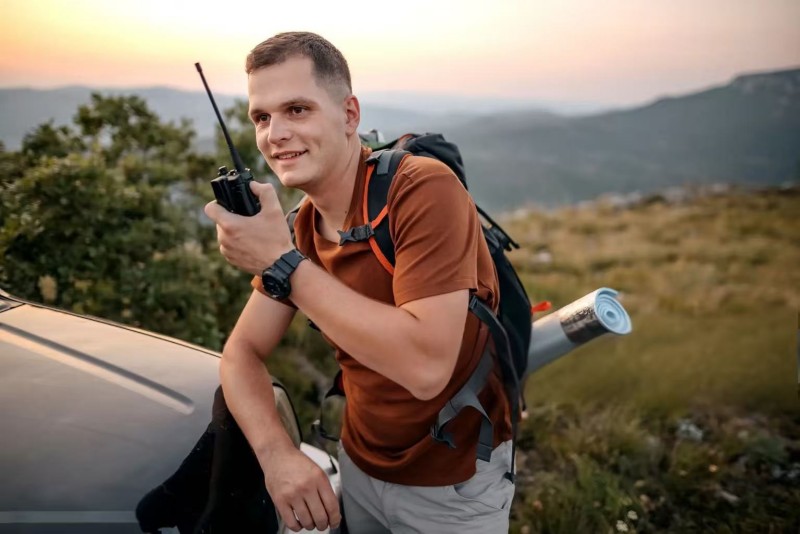
Pair your signal booster with a set of long-range walkie-talkies (10+ km range) for group camping—they work without cell towers, perfect for keeping in touch with teammates while hiking. For extreme remote areas, add a personal locator beacon (PLB): push the button, and it sends your GPS coordinates to global rescue satellites, no signal needed.
2. Weather & Shelter: Stay Protected When Storms Hit
Sudden rain, wind, or temperature drops are common camping surprises. Prepare to shelter in place safely with these items:
- 4-Season Tent: Choose a tent with reinforced poles and waterproof rainfly—look for a “wind resistance rating” of 30+ mph to stand up to storms.
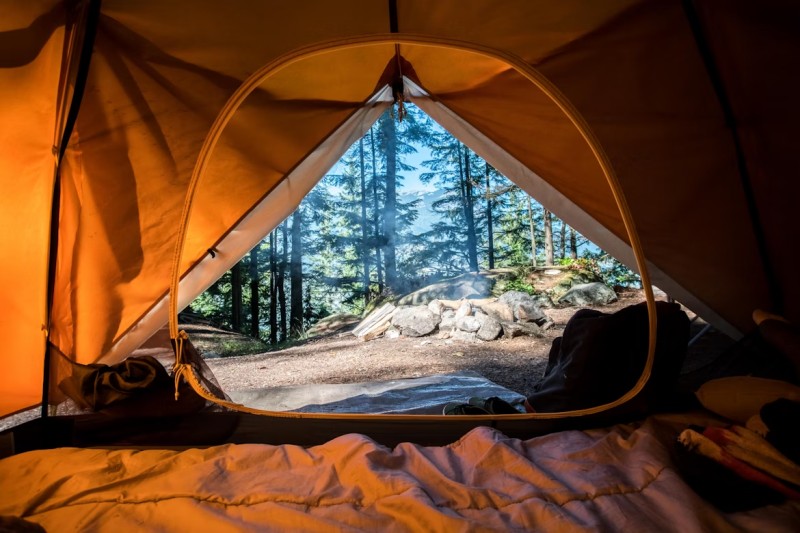
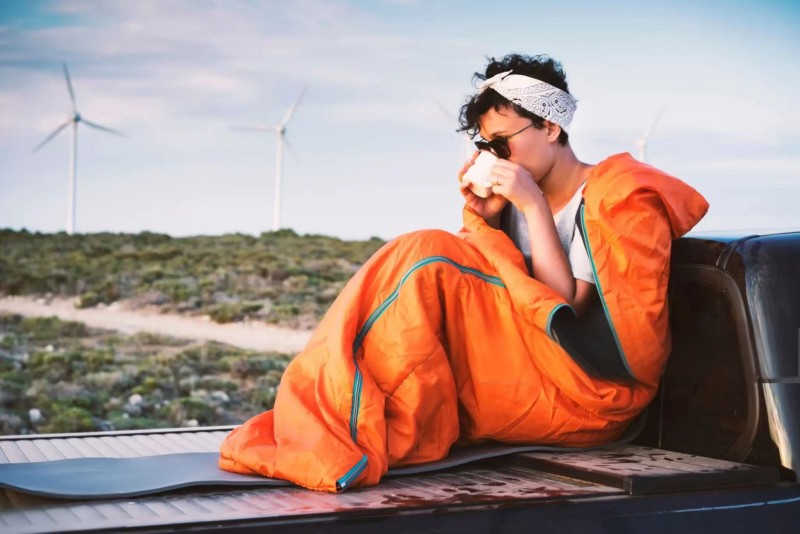
- Emergency Bivvy: A lightweight, heat-reflective bivvy sack (like the SOL Emergency Bivvy) can keep you warm even if your tent is damaged. It traps body heat and repels water, critical for avoiding hypothermia.
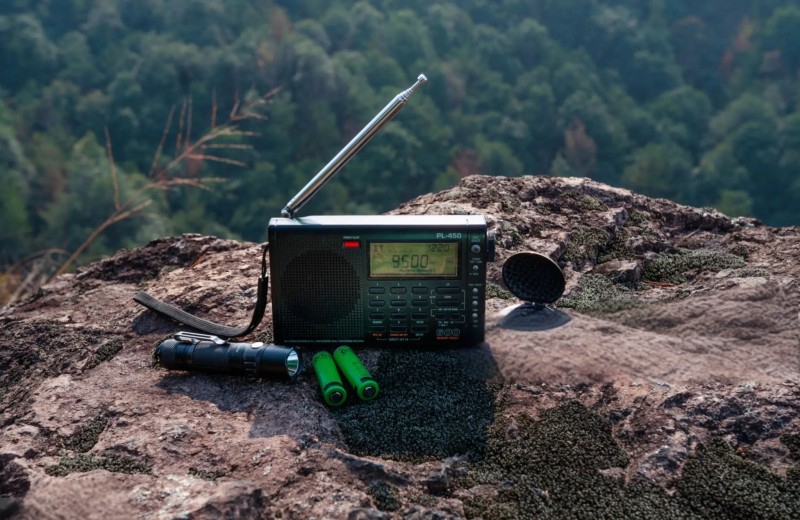
- Weather Radio: A battery-powered NOAA weather radio lets you listen to real-time forecasts and storm warnings—set it to alert mode so you never miss a dangerous weather update.
3. Navigation: Avoid Getting Lost (Even Without Signal)
Getting turned around on a hike is one of the most common camping emergencies. Don’t rely on phone GPS alone—bring these:
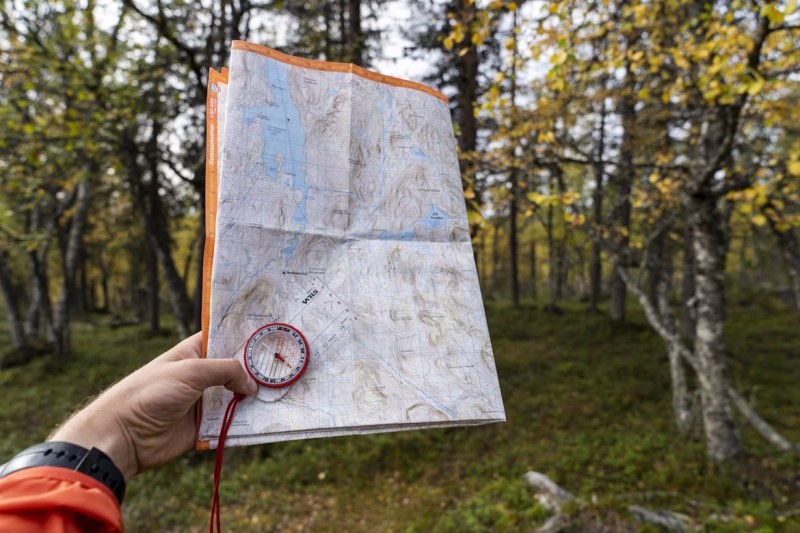
- Physical Map & Compass: Print a detailed topographic map of the area (mark your campsite and trailheads) and learn basic compass skills. Unlike phones, they never run out of battery.
- GPS Device: A handheld GPS (like Garmin inReach) works offline and can send pre-programmed messages (e.g., “I’m safe”) even without cell signal. For added safety, opt for a model with two-way messaging—pair it with your cell phone signal repeater if you need to send longer updates.
4. First Aid & Survival Kit: Treat Injuries & Stay Fed
Minor cuts, insect bites, or even more serious issues (like sprains) need quick care. Build a kit with:
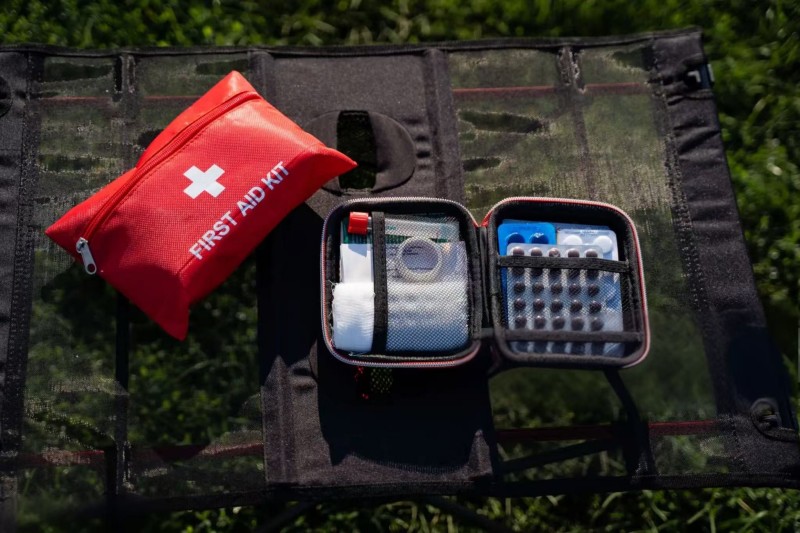
- Basic Medical Supplies: Bandages, antiseptic wipes, pain relievers, tweezers (for splinters or ticks), and an EpiPen if anyone in your group has allergies.
- Water Purification: A portable water filter (like LifeStraw) or iodine tablets—you can’t survive more than 3 days without clean water, and natural water sources (streams, lakes) may have bacteria.
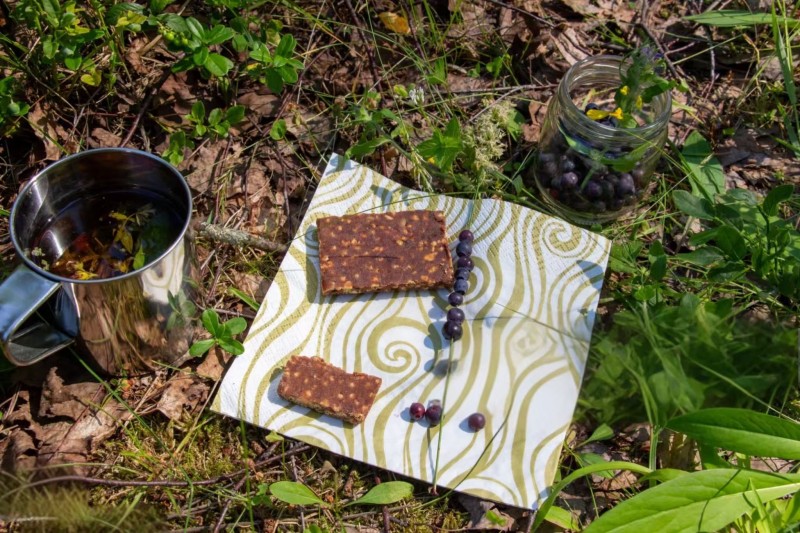
- Non-Perishable Food: Pack high-energy snacks (energy bars, nuts, dried fruit) and 2-3 days of ready-to-eat meals (MREs). Choose foods that don’t need cooking—perfect if your campfire is put out by rain.
5. Lighting & Power: Stay Visible & Keep Devices Charged
Darkness increases accident risk, and dead devices leave you cut off. Pack:
- Headlamp: A hands-free headlamp (with extra batteries) is essential for cooking, hiking after dark, or checking on your tent in storms. Look for a “high beam” mode for long-distance visibility.
- Portable Solar Charger: Keep your phone, walkie-talkies,protable mobile phone range booster and GPS charged with a solar charger (20W+). Pair it with your Lintratek cell phone signal booster—you’ll need a charged phone to use the booster’s full potential.
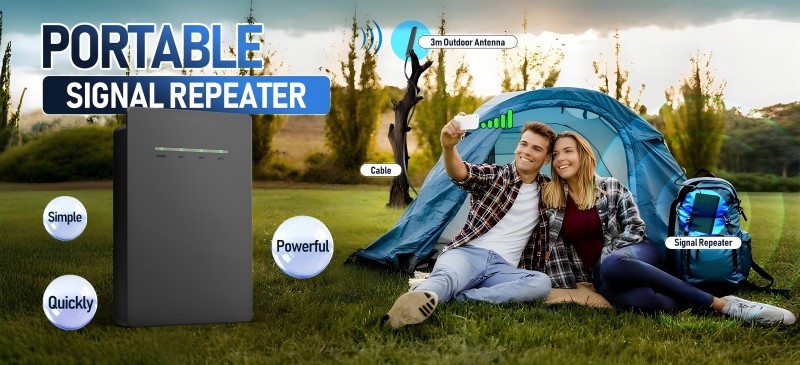
protable gsm tri band network signal booster
Final Tip: Test Your Gear Before You Go
Even the best emergency kit fails if you don’t know how to use it. A week before your trip:
- Test your Lintratek network signal amplifier in a local park with weak signal—ensure it boosts calls and texts successfully.
- Practice using your compass and GPS with the map of your camping area.
- Check that all batteries are charged and replace any expired first aid supplies.
Camping emergencies are unpredictable, but being prepared turns “panic” into “control.” With the right tools—including a reliable weak cell signal solution like a Lintratek signal booster—you can focus on enjoying the outdoors, knowing you’re ready for whatever comes your way.
Ready to gear up for your next camping trip? Learn more about Lintratek’s portable signal boosters designed for outdoor use—perfect for keeping you connected when it matters most.
√ Professional Design, Easy Installation
√ Step-by-Step Installation Videos
√ One-on-One Installation Guidance
√ 24-Month Warranty
Looking for a quote?
Please contact me, I am available 24/7
Post time: Oct-21-2025