





I’ve spent 14 years in the 3g 4g lte network cell phone signal booster, and the most common complaint I hear every single day is the same: full 5G bars outside, but nothing but a spinning load icon the second you walk inside a mall, office, or parking garage. You blame your phone, your carrier, even your data plan— but 90% of the time, it’s not any of those things. It’s a problem with indoor signal coverage, and the solution isn’t a fancy new phone or a more expensive plan. It’s an indoor distribution system (or IDS for short), the unsung hero of reliable indoor 5G that makes sure your signal stays strong, no matter where you are inside a building. Today, I’m breaking down why indoor 5G fails so often, what an indoor distribution system actually is, and how it turns those frustrating dead zones into seamless, fast 5G— no confusing tech jargon, just real talk from someone who’s designed these systems for every space you can think of, from small offices to massive shopping malls.
cell phone booster 4g lte antennas
Let’s start with the basics: why does outdoor 5G die the second you step inside?
It’s not magic, it’s just physics and simple network limits, and there are three main culprits.
First is signal blocking and attenuation. Concrete, steel rebar, glass curtain walls— these building materials act like a giant wall for 5G signals. 5G waves are higher frequency, which means they’re faster but don’t travel through solid materials well. By the time the signal gets past the first wall of a building, it’s already weak, and deeper inside— like a basement garage or a back office— it’s gone entirely.
Second is network capacity overload. Think about a busy office building or a weekend at the mall: hundreds, even thousands of people all using their phones at the same time. The outdoor cell tower (we call it a macro base station) can only handle so many devices at once, and when it’s overloaded, speeds drop, calls cut out, and your phone struggles to stay connected.
Third is the ping-pong effect, especially in tall buildings. Your phone picks up weak signals from multiple nearby cell towers, and it keeps switching between them trying to find the strongest one. That constant switching causes dropped calls, shaky video calls, and 5G that feels more like 2G. None of these problems are your fault, and none of them can be fixed with a better phone. What you need is a system that brings strong, dedicated 5G inside the building— and that’s where the indoor distribution system comes in.
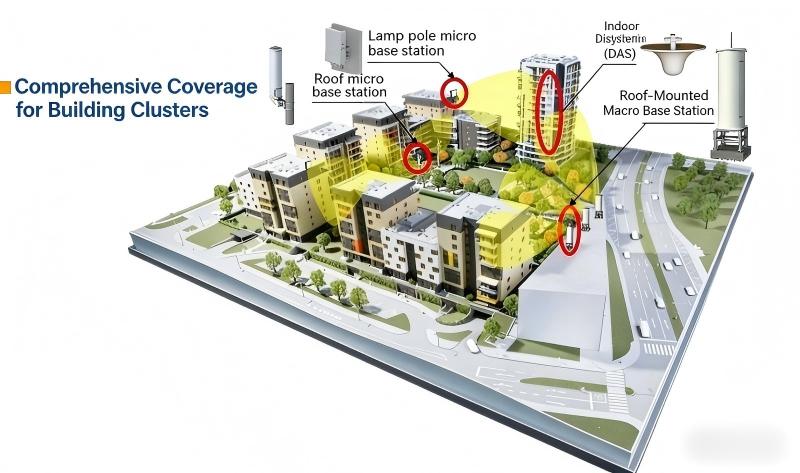
3g 4g cell phone signal Coverage for Building Clusters
If you think of a building’s indoor signal as a body, the indoor distribution system is the nervous system.
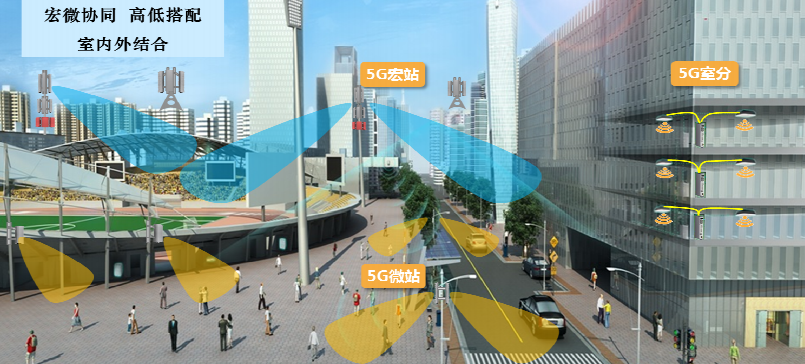
It’s the network of hardware that takes the strong signal from an outdoor macro base station (or a small indoor micro base station) and breaks it down into small, manageable signals that are spread evenly across every corner of the building. It doesn’t just blast a single strong signal— that would cause interference and dead spots— it uses low-power antennas placed strategically all over the building to make sure every room, hallway, elevator, and parking spot has the same reliable 5G. And it’s not just a standalone fix: the best indoor 5G comes from a mix of outdoor macro stations, small indoor micro stations, and the indoor distribution system working together. This “macro-micro synergy” is the foundation of the 5G network we all rely on, whether we’re scrolling social media at the mall, sending a work file from the office, or even powering smart factory equipment and remote medical services. Without a well-designed indoor distribution system, 5G’s promise of “fast everywhere” is just a slogan— it’s the IDS that makes it real.
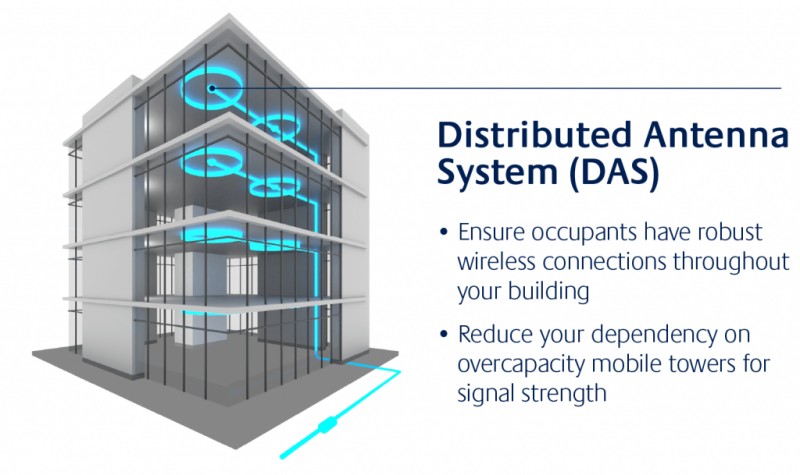
3 types of partitioning, suitable for different scenarios
Indoor distribution is not a one size fits all solution, choosing the right one according to the scene is the best way to use it:
1. Passive Distributed System (DAS)
Distribution of signals through passive components such as couplers and power dividers
Advantages: stability, low failure rate, low cost
Applicable: Small and medium-sized buildings, ordinary hotels, mainly for blind filling
.png)
network booster for underground parking
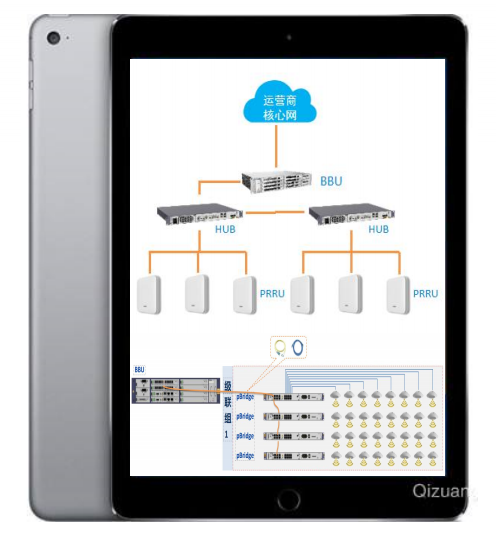
2. Active distribution system
Compact device, POE power supply, supports multi-mode and multi frequency
Advantages: Large capacity, flexible deployment, and beautiful appearance
Applicable to high traffic areas such as large venues, transportation hubs, and high-end office buildings
AGC function signal Booster GSM Multi Band Mobile Signal Repeater
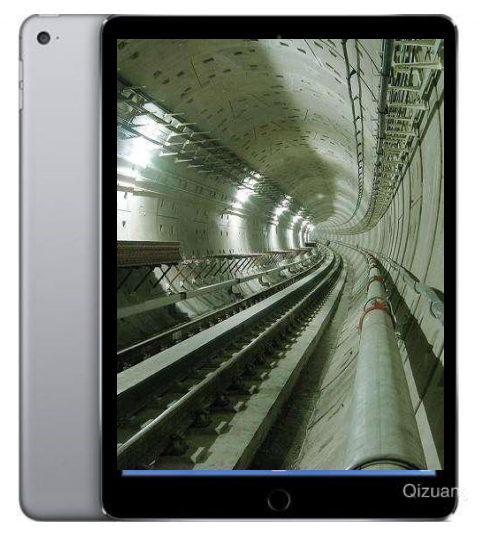
3. Leakage cable distribution system
Use leaky cables to evenly transmit and receive signals
Advantages: Uniform coverage, minimal interference
Applicable to: subways, tunnels, narrow spaces
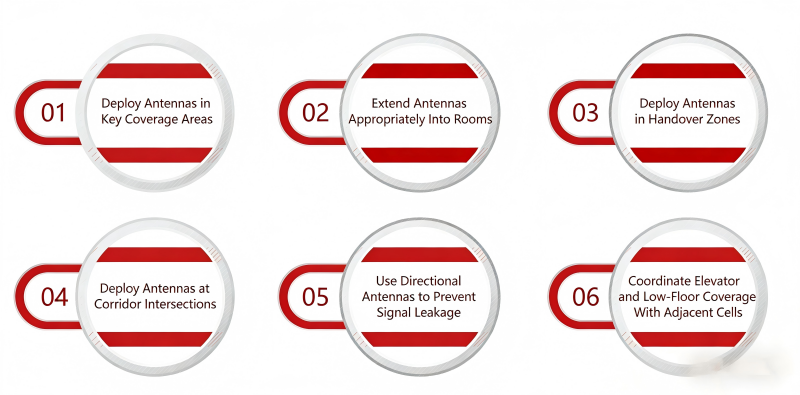
Designing an indoor distribution system isn’t just drilling a few holes and hanging antennas— anyone can do that, and it’s why so many bad DAS setups exist. A professional, effective DAS design follows a strict process, and every step matters if you want signal that’s strong and compliant (so it doesn’t interfere with the outdoor network). It all starts with a on-site survey: I walk the entire building, check the building materials (concrete vs. drywall makes a huge difference), map out the weak spots, find the best places for wiring and antennas, and note the busy areas where people use their phones the most. Next, we define the exact needs: how much coverage do we need? How many people will be using 5G at the same time? Are there any building rules we need to follow for installation? Then comes the blueprint design: we map out every antenna’s position, the route for the signal cables, how to split the signal power evenly, and most importantly, how to stop the indoor signal from leaking outside (which causes interference for the outdoor network). Finally, there’s a strict compliance check: we make sure the signal strength at the building’s edges is just right, no signal leaks outside, and the antenna power is within the carrier’s rules. The golden rule I follow for every DAS design is simple: low power, many antennas, attention to detail, no leakage. Do that, and you get indoor 5G that’s strong everywhere, and no problems with the outdoor cell network.
5G is not only fast, but also a ubiquitous and stable connection.
From watching videos and holding video conferences, to smart factories, remote healthcare, and autonomous driving, the underlying system cannot do without the silent support of the indoor distribution system.
Next time you encounter poor indoor signal, don’t blame your phone first – what you need may just be a professional indoor distribution coverage.

Post time: Mar-20-2026