





If you’ve ever stepped into an old building’s elevator, you know the feeling all too well: your phone goes from full bars to zero in seconds. No calls, no texts, no data—just dead silence while you ride up or down. For residents, it’s inconvenient; for building managers and contractors, it’s a serious problem that can stop entire renovation projects cold.
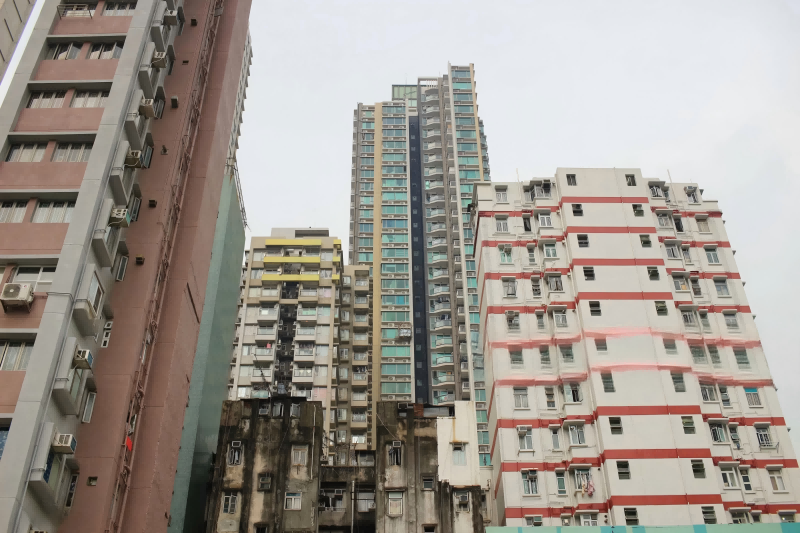
More old buildings are adding elevators for accessibility, and one detail keeps popping up as a non-negotiable requirement: full mobile signal coverage inside every elevator car and shaft.
Old buildings naturally struggle with weak signal. Thick concrete walls, dense layouts, and aging construction block most cellular signals already. Add a fully enclosed metal elevator car, and it becomes a near-perfect signal shield.
- Residents can’t make emergency calls
- can’t use mobile payment
- daily communication gets cut off mid-ride.
Worse, many regions now enforce strict building codes that require complete public mobile coverage—including elevators—before a retrofit can pass inspection. No signal, no approval, no elevator in service.
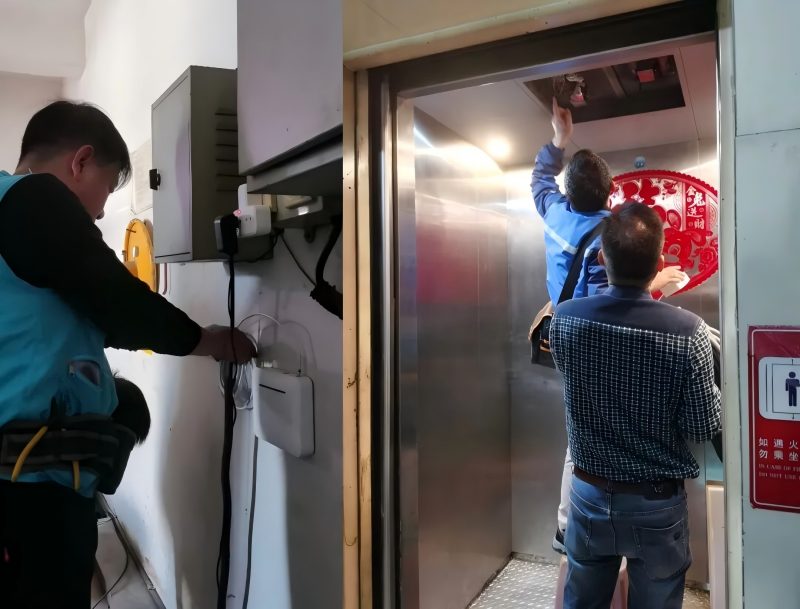
This is where generic boosters fall short. Elevator shafts are narrow, vertical, and metal-lined. Regular home or office repeaters can’t handle the unique environment, and large-scale cell towers are impossible here—too expensive, slow to approve, and way too big for tight retrofit spaces. What works is a purpose-built signal 5G system repeaterdesigned just for elevators.
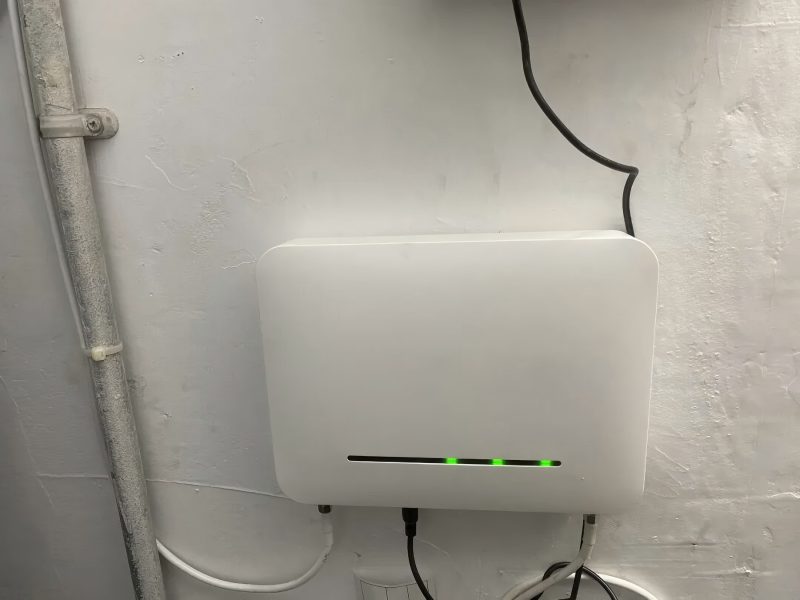
These systems use a simple, reliable setup: one outdoor antenna picks up strong signal from nearby towers, a main unit cleans and amplifies it, and small indoor antennas spread steady coverage inside the elevator shaft and car. They fit into tiny spaces, need minimal wiring, and work with all major carriers’ 2G, 4G, and 5G bands. Installation is fast, no big permits required, and it meets inspection standards right away.
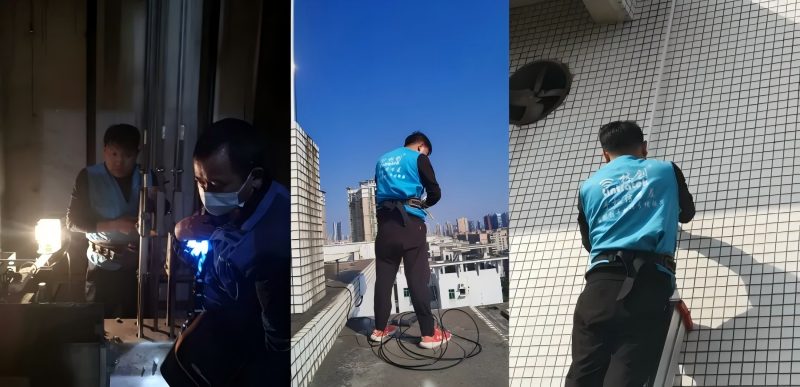
For contractors and project partners, this is a game-changer. Elevator retrofits are booming as cities update aging housing stock, improve accessibility, and support aging populations. Every new elevator needs signal coverage, and every existing elevator in old buildings often needs an upgrade. It’s not a one-time job either—ongoing maintenance, equipment updates, and replacements create steady, long-term work.
I’ve worked with countless retrofit teams, property managers, and installers who turned elevator signal coverage into a reliable, profitable part of their business. The best solutions balance easy installation, stable performance, and cost-effectiveness—no overcomplicated gear, no hidden costs, just consistent signal that keeps residents connected and projects on track.

Feel free to reach out and share your building type, elevator layout, and local carriers. With years of hands-on experience, I can walk you through practical, tailored signal coverage suggestions.
Post time: May-22-2026