





Anyone who lives, works or runs a business up in the hills knows the routine.
1、A call drops mid-sentence.
2、The navigation app keeps spinning on a hairpin road.
3、A message only leaves your phone once you walk to the top of the ridge.
This article is for the people who get asked to fix that — installation crews, low-voltage integrators, and distributors who need a mobile network solution they can defend in front of a client. How to choose the best mobile signal booster in Mountain Areas?
Why mountainous ground is the hardest place for signal coverage
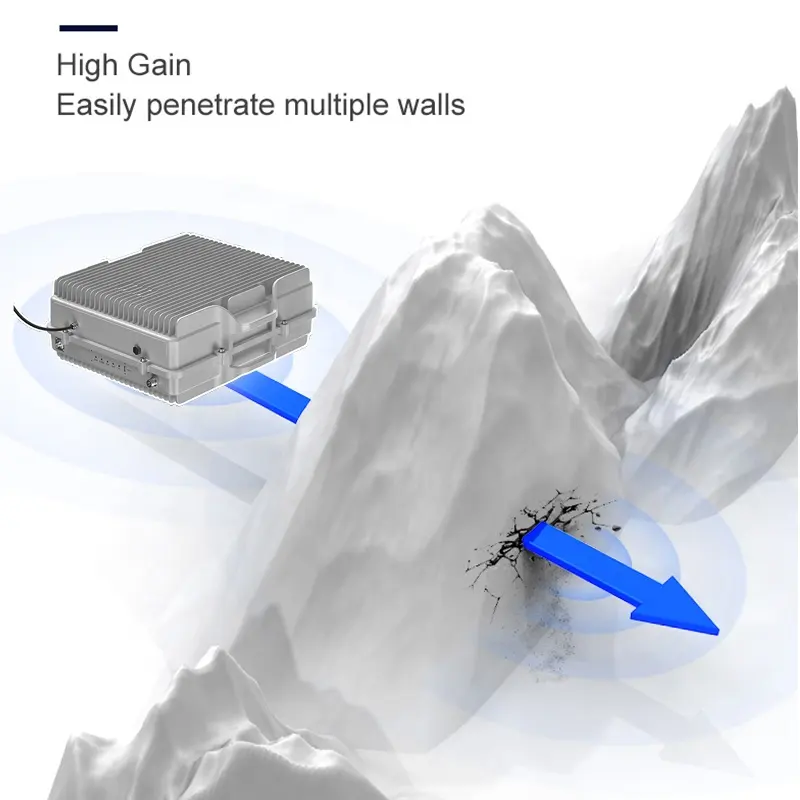
Cellular service travels in a straight line from the tower. A mountain is about the most effective barrier you can put in front of it. The signal energy will not bend around a ridge, and it will not punch through dense forest.
Valleys, shaded slopes and tree cover therefore turn into wide dead zones — the industry calls them shadow areas.
Building towers up there is expensive, and a single site only reaches so far. Operators end up with a thin footprint. Plenty of villages, orchards, livestock farms and forestry operations sit at −105 dBm or worse, where voice quality is unreliable and data service is close to unusable.
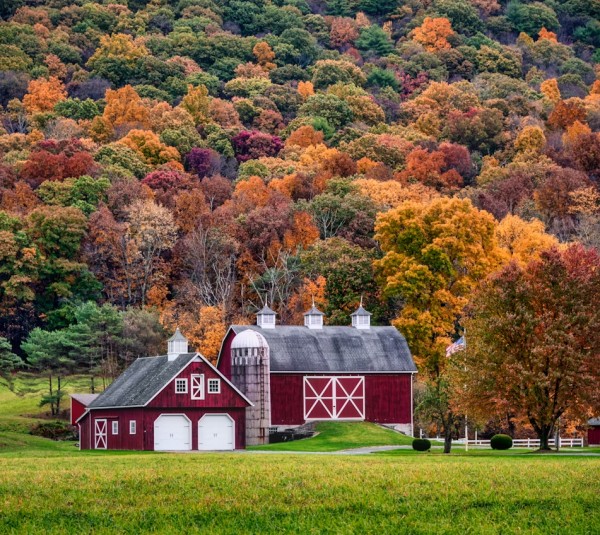
cell phone booster for rural areas
There is a second problem that has nothing to do with physics. Waiting for a new tower can take years, and it often never happens. For a mining camp, an agricultural project or a mountain resort, connectivity feeds straight into revenue and worker safety. Those operators cannot afford to sit and hope.
Two proven technical routes for hills and remote terrain
Both routes follow one principle: pull a usable signal in from outside the obstruction, then redistribute it across the area that actually needs service.
Route one: power cell phone signal booster
You find the spot on the ridge or rooftop where reception is best, capture it with a high-gain directional antenna, amplify it, and radiate it again through indoor or outdoor service antennas.
This suits a single village, a farm compound or a resort — a compact area with a donor source that is still workable. Equipment cost stays low and a crew can usually wrap up quickly.
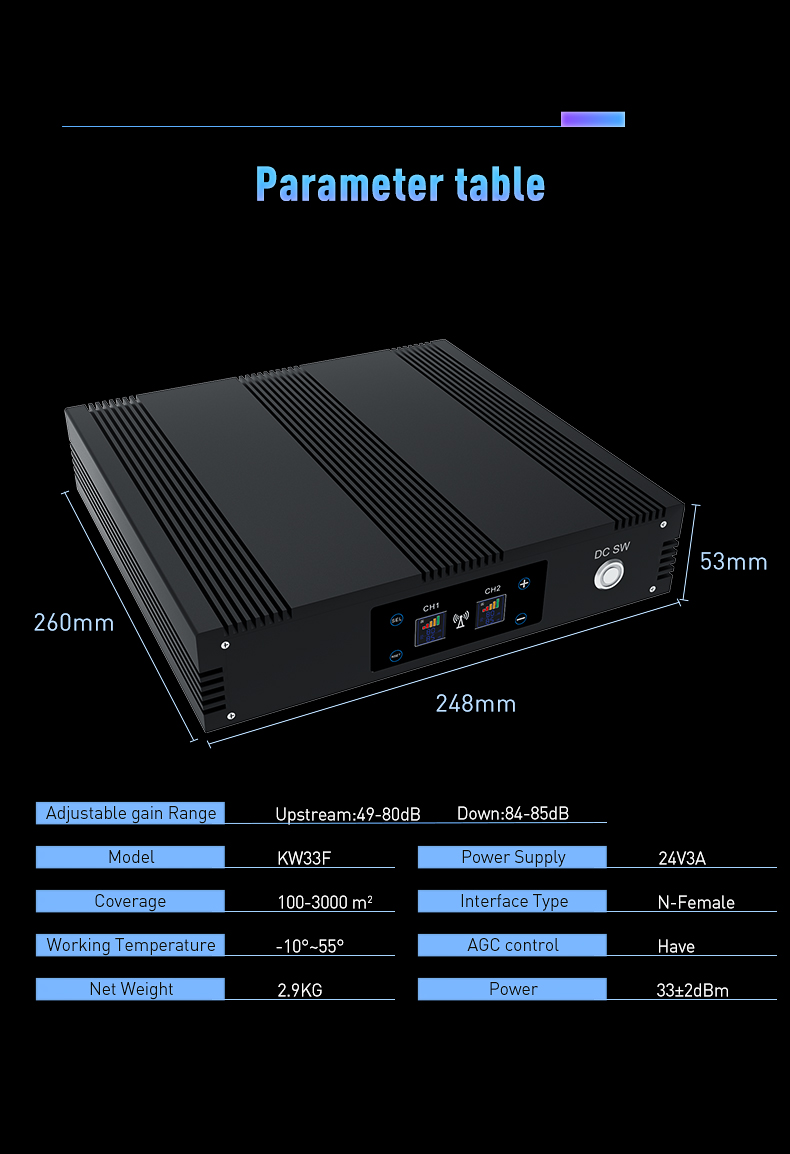
Route two: a fiber optic repeater
When the footprint is large and the terrain blocks heavily, coaxial cable simply cannot carry the energy far enough. Fiber can. It loses roughly 0.35 dB per kilometer, a fraction of what RF cable costs you over the same distance.
A near-end unit at the mountain pass feeds a far-end unit deep in the valley, and antennas placed in segments cover the whole zone. Mining sites, forestry operations, hydroelectric stations and mountain highway corridors normally take this route.
Whichever route you choose, the job starts with a survey — never with a catalogue. Which direction off the mountain gives the cleanest donor, what the RSRP reading actually is, how much ground needs covering, how many buildings stand in it. Those numbers decide equipment selection and antenna placement.
Where the outside source is weak, a high-gain antenna paired with proper filtering can still squeeze a workable amount out of it. Survey first, then build to the site. Dropping a generic box into a mountain project is how these jobs fail.
What to check before you specify a booster for a mountain project?
1、Multi-band support: Carriers sit on different bands, and in remote areas donor options are already thin. A cellular signal booster system has to lift all of the relevant networks at the same time — not just one operator’s slice of spectrum.
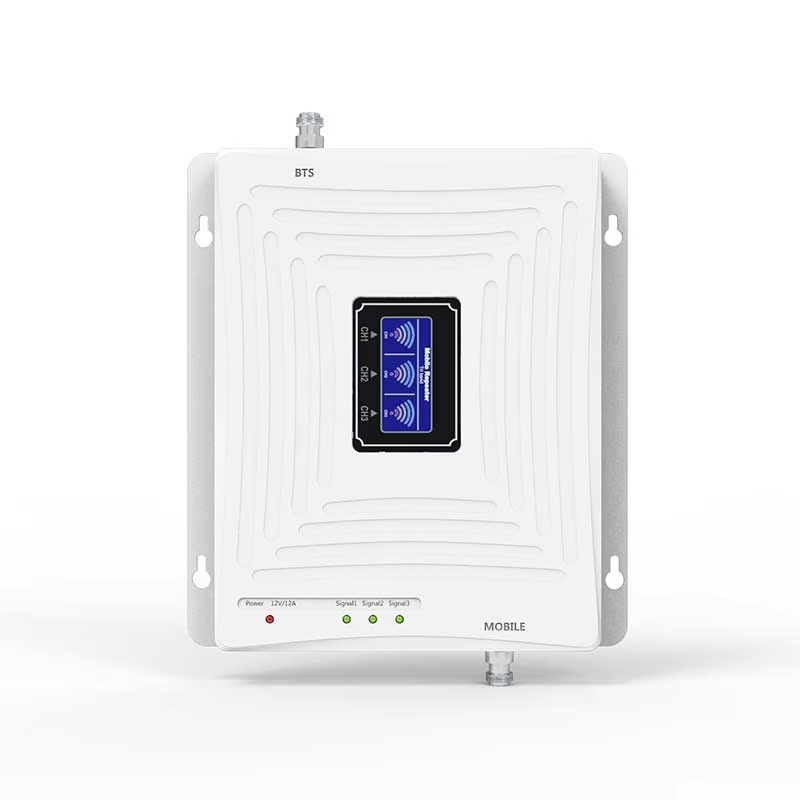
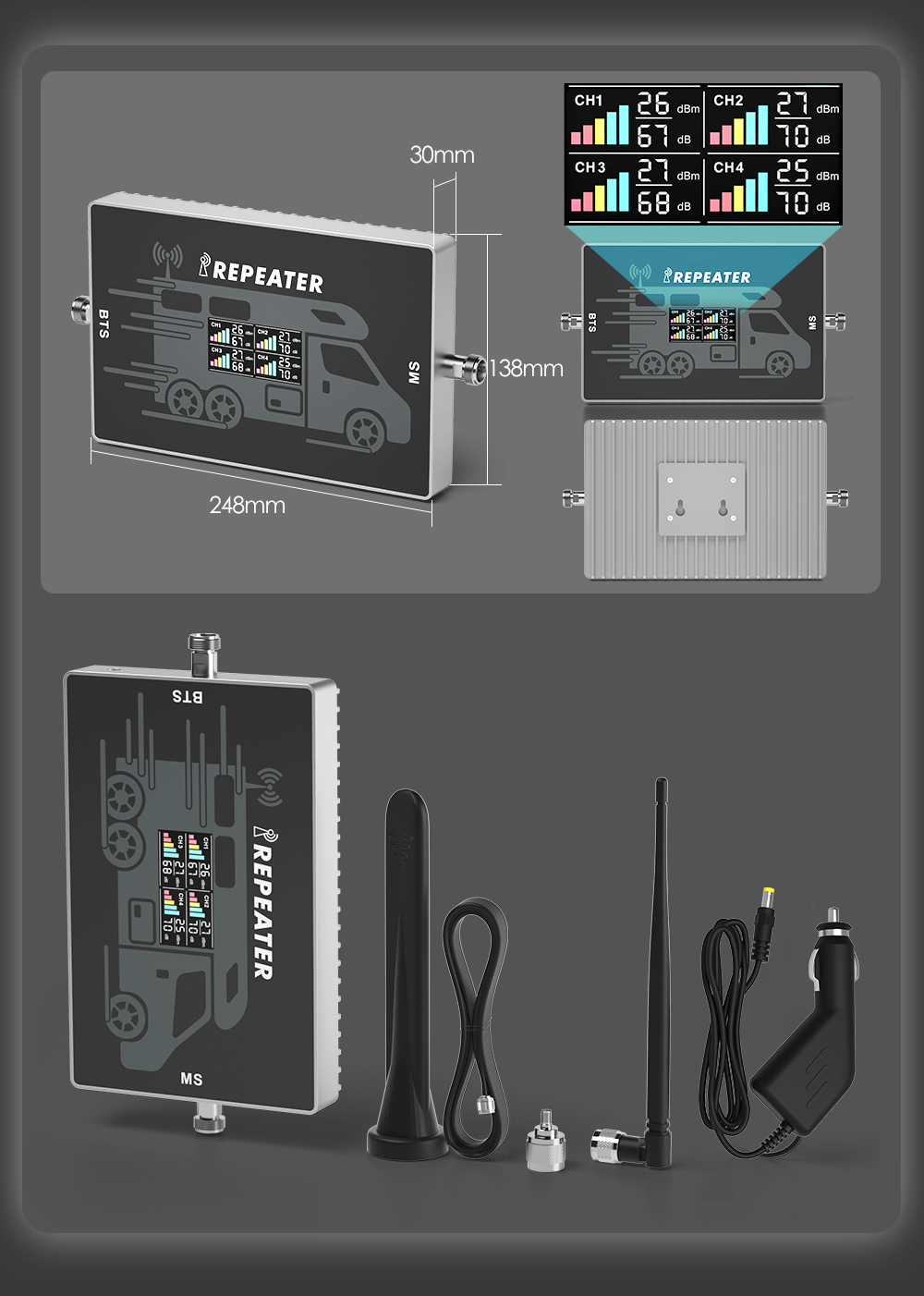
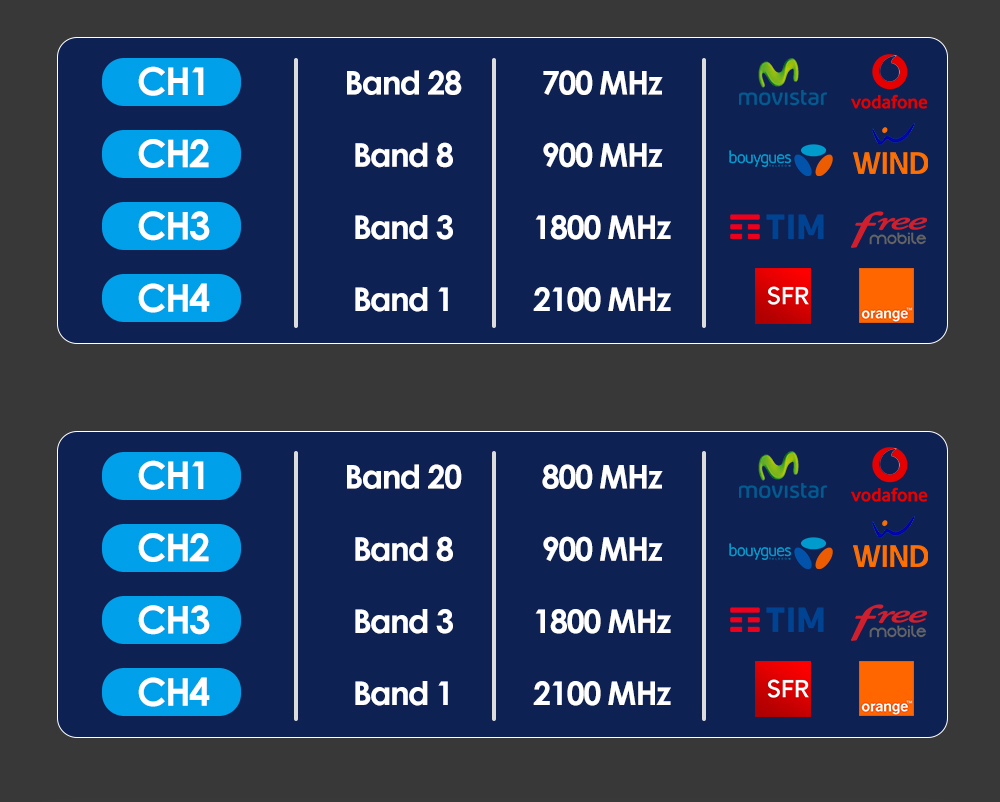
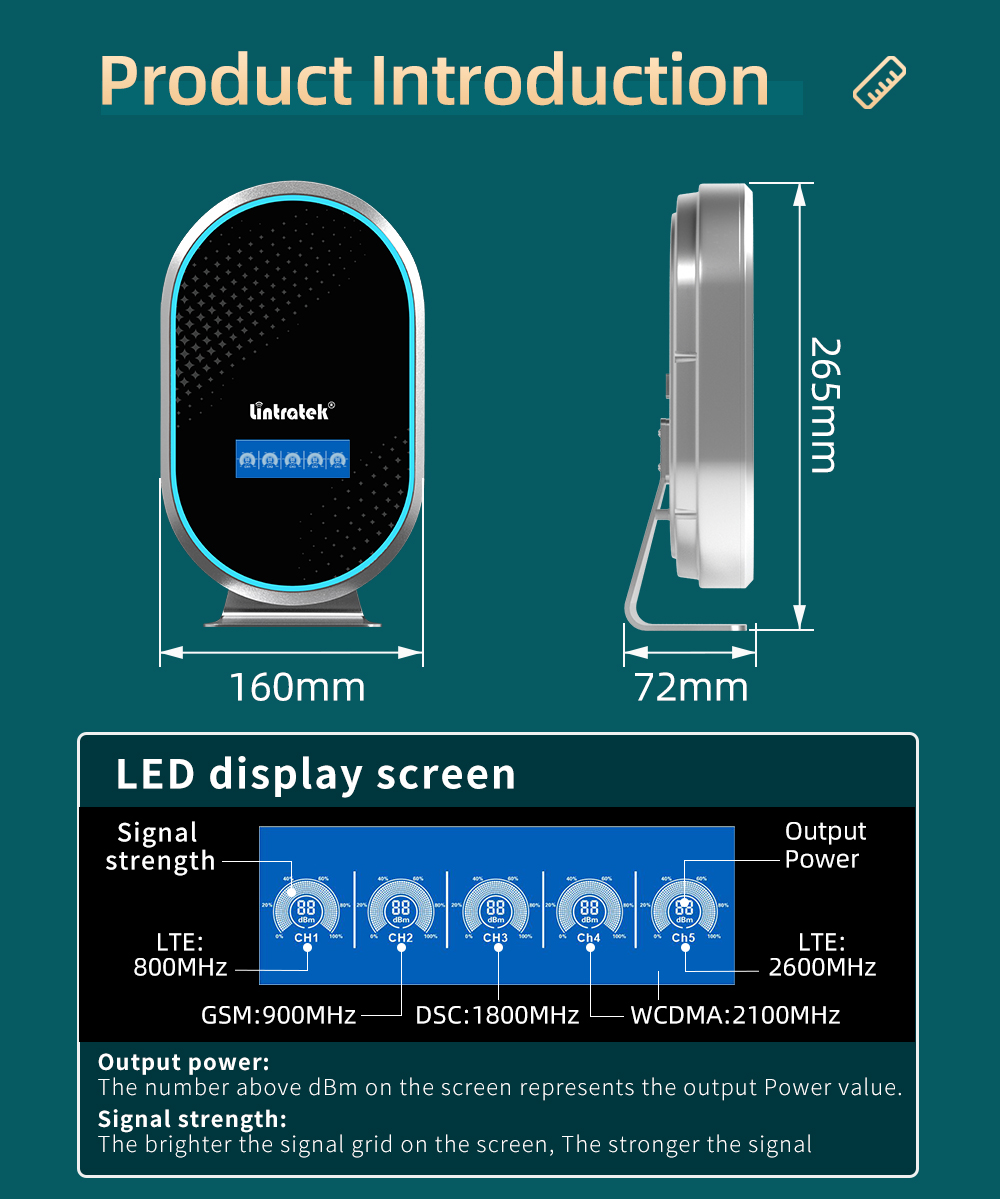
2、Real gain, plus hard anti-oscillation protection: Isolation between donor and service antennas is genuinely difficult on a hillside. The equipment needs automatic level control and oscillation detection with alarms. Without them, amplified energy feeds back into the tower, disturbs the operator’s network, and your installation gets ordered off the site.
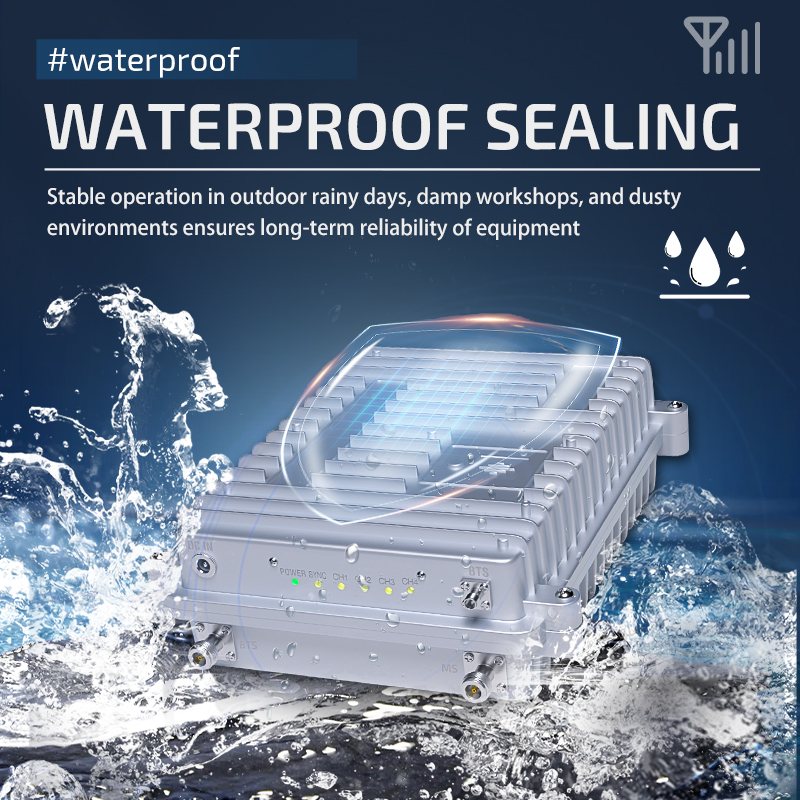
3、Environmental durability.:High humidity, sharp temperature swings and frequent thunderstorms are normal up there. Wide operating temperature range, proper lightning protection and grounding, and sealed waterproof housings are what separate a system that survives one rainy season from one still running five years on.
4、A factory that stays with the project. Remote sites mean long drives and fiddly commissioning. Cheap unbranded hardware with nobody behind it is the same as no hardware at all.
About Lintratek
Lintratek was founded in Foshan in 2012 and has spent more than a decade focused on wireless communication coverage. Our equipment and engineering support have been deployed on project sites for operators including China Tower, China Mobile and China Unicom, and our sales network now reaches 155 countries and regions, serving over one million users in total.
For hard-to-reach terrain — mountain villages, remote farms, plantations, mining operations — we handle free site survey, custom design, installation and after-sales commissioning as one package.

A world without blind spots, where communication never stalls and nobody has to wait to be heard. That is the goal we work toward.
Frequently asked questions
Can one cell phone booster for rural areas cover an entire valley? It depends on how big the valley is and how strong the donor source is. A compact settlement can often be handled by a single unit with well-placed antennas; a long valley with heavy obstruction usually needs several units linked on fiber.
How strong does the outside signal need to be before a project is viable? There is no single threshold, but reliable design generally needs a donor reading good enough to amplify. Where it is marginal, a high-gain directional antenna and filtering can widen your options — which is exactly why the survey comes before the quote.
Will a repeater interfere with the carrier’s network? Not if it is specified and installed correctly. Automatic level control and oscillation detection exist for that reason, along with careful antenna isolation. Skip those details and you risk disturbing the donor cell.
Do you work with distributors and contractors rather than end users? Yes. Most projects reach us through low-voltage integrators, installation partners and regional distributors. We support the design work and stay involved through commissioning.
Planning coverage for a site in the hills? Send us the location, the target area and a rough donor reading — we will come back with a configuration that fits.
Post time: Oct-19-2026