





Walk into almost any basement with your phone out and the pattern repeats itself: bars fade as you pass the stairwell, and by the back wall the phone is searching. It happens in office towers, hotels, mall parking garages and hospital lower floors alike. Concrete, steel and packed earth sit between you and the tower, and radio waves do not like any of them.
When someone plans a network booster for basement projects, the fix itself is usually clear. The real work is choosing and sizing the setup correctly, and that deserves a longer look than a product page can give.
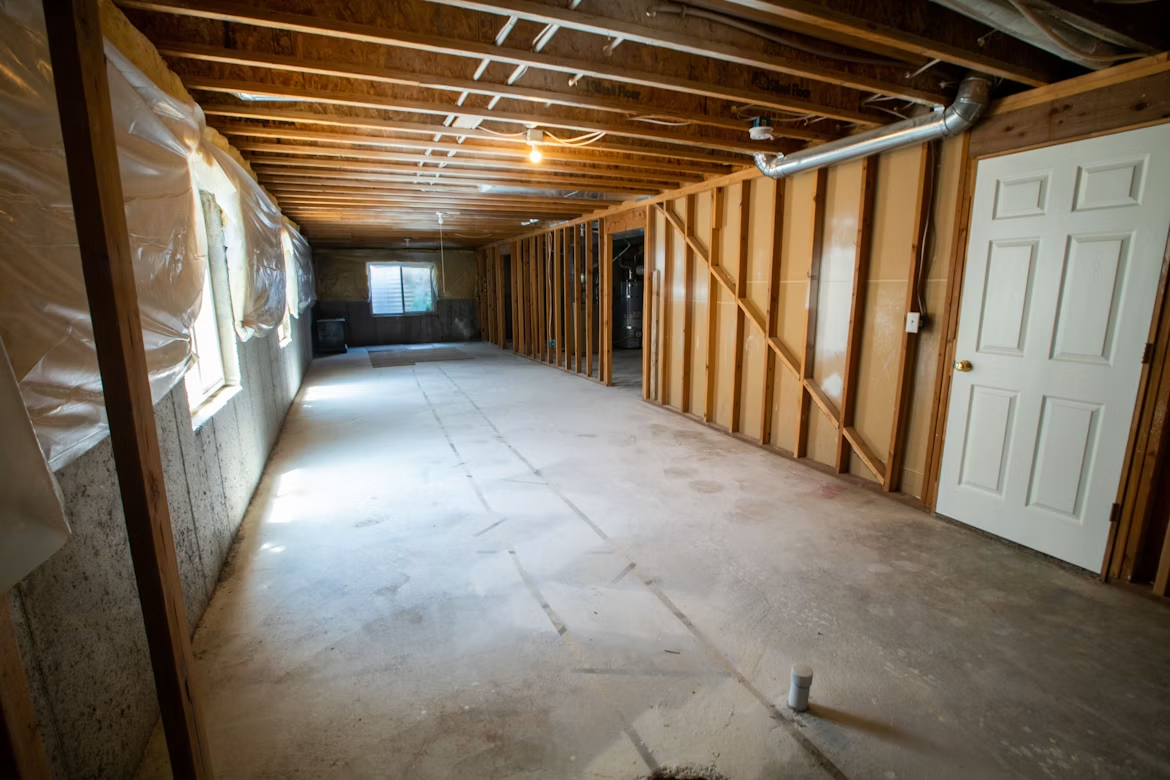
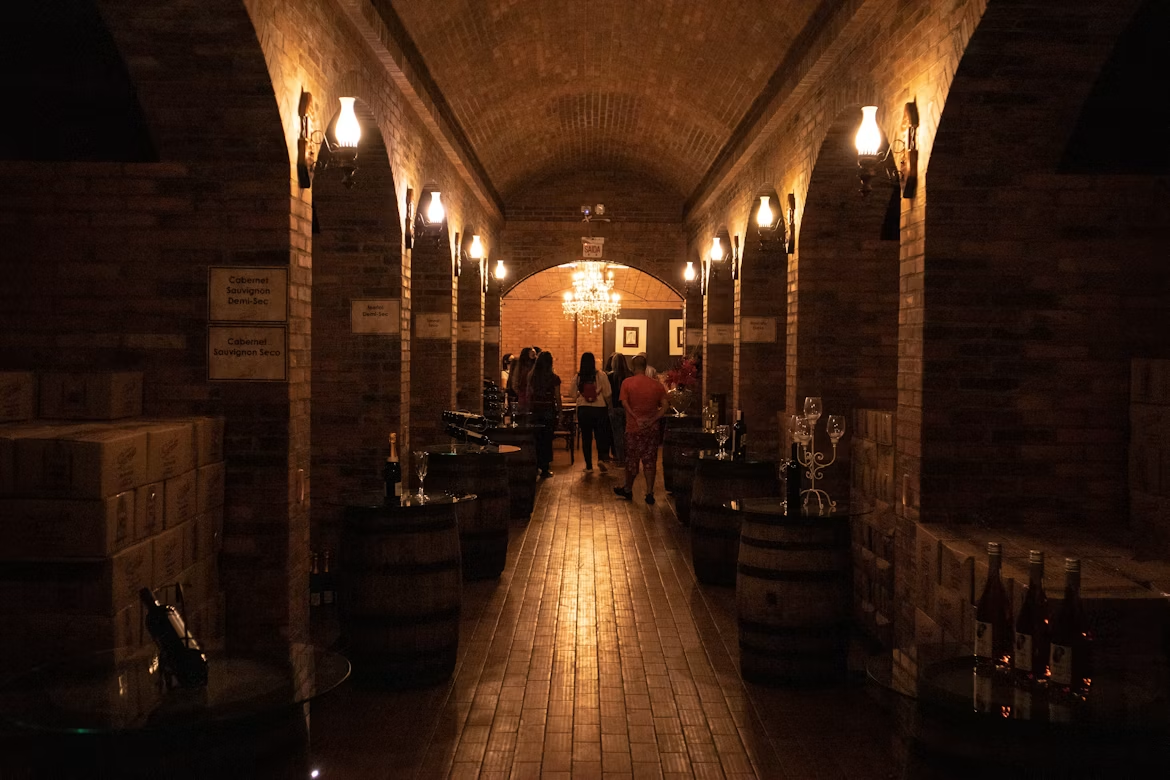
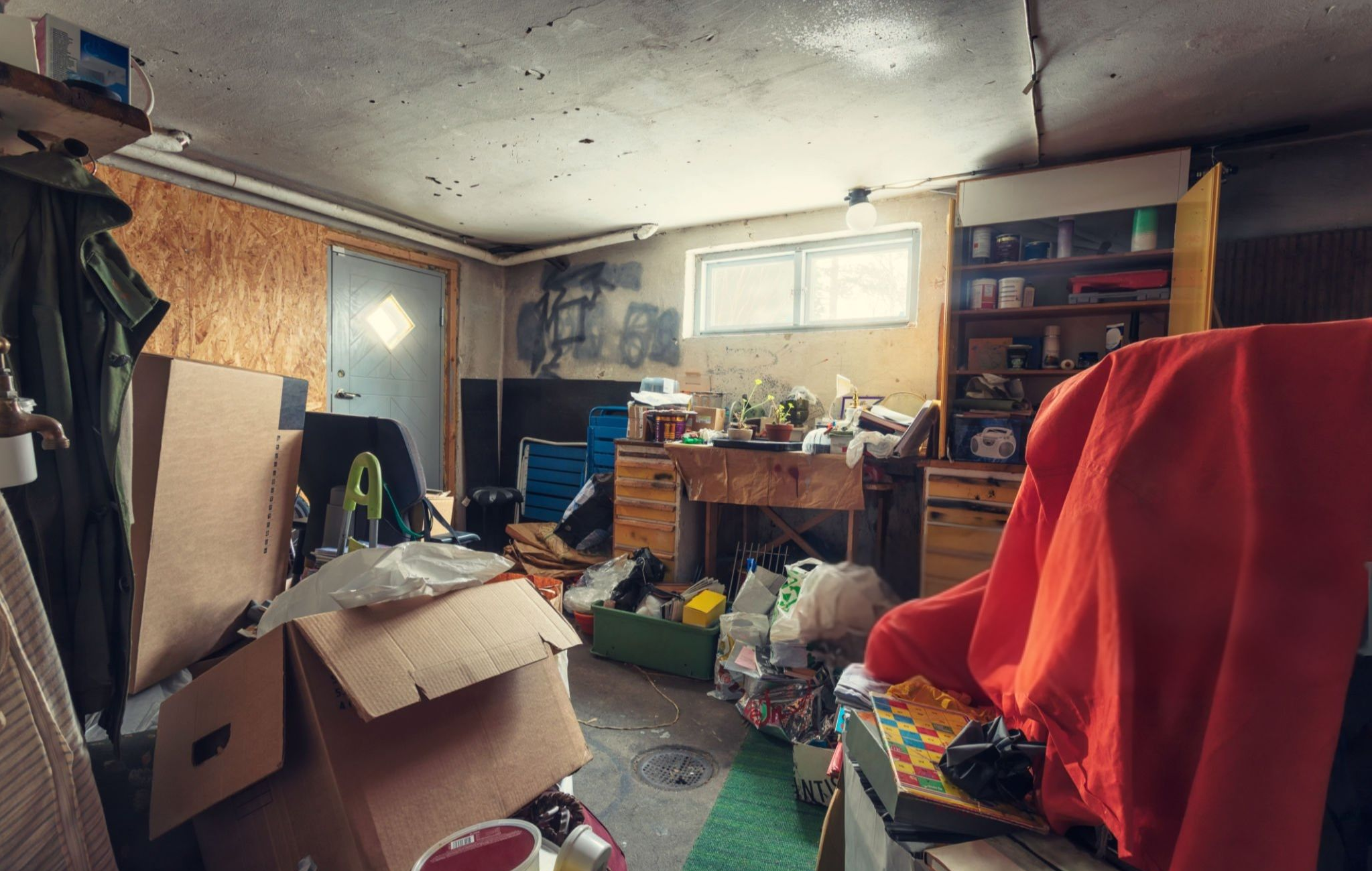
Studio – Basement Wine Cellar – Basement Household Utility Room – Basement
Why underground spaces lose signal so fast ?
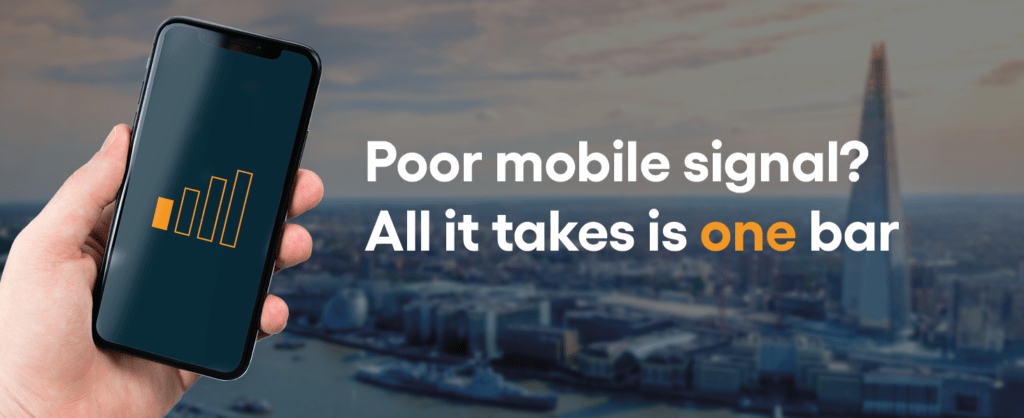
Above street level, your phone normally has a clear line of sight to a tower, maybe with a wall or two in between. Below grade, the signal has to travel through soil, concrete slabs, rebar mesh and often an entire car park stacked above you. Every layer takes its toll, and together they can drag a perfectly strong outdoor signal down to almost nothing.
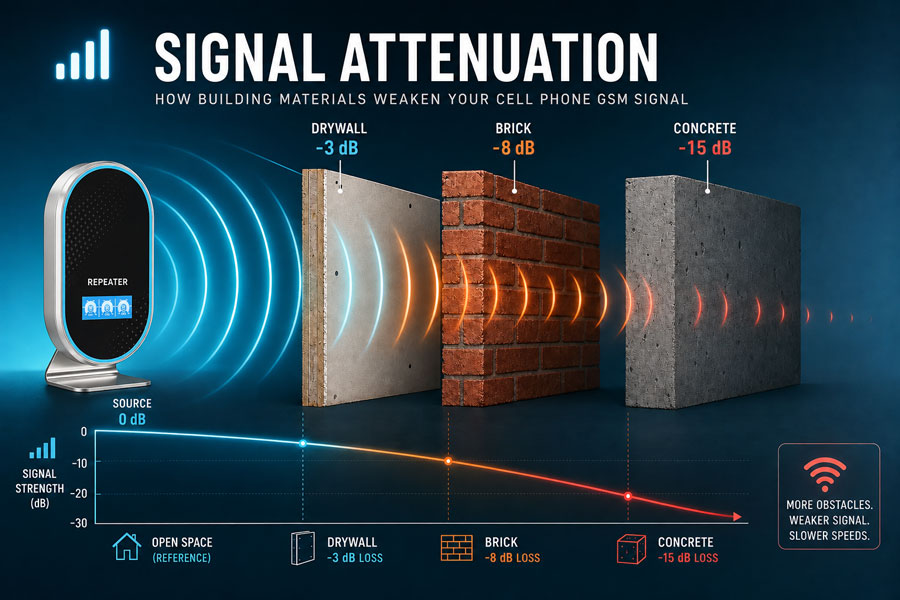
Reasons for signal booster signal attenuation in the basement
Frequency matters too. Low bands, roughly 700 to 900 MHz, travel farther and push through walls better. Higher bands, the 1800, 2100 and 2600 MHz range that most networks lean on for capacity, give up much sooner. That is why a below-grade room can keep a call on one band but lose it completely on another, and a single-band box rarely satisfies a modern site.
Some signal does leak in. Elevator shafts, ramp entrances and ventilation openings carry a bit of it with them, which is usually enough for an outdoor antenna to work with. Good news for installers. But it also means a floor plan alone will not tell you much. A quick reading with a phone or a proper meter at the donor spot decides which equipment will actually perform.
KW20N triple band mobile signal booster gsm repeater
Start with the networks, not the hardware
Nigeria’s airwaves are shared by MTN, Airtel, Glo and 9mobile. In Kenya, Safaricom and Airtel carry most of the traffic. All of them run their everyday services on a familiar spread of frequencies: 900 MHz for the older networks and better building penetration, 1800 and 2100 MHz for the 3G and 4G layers that handle most data, and a growing slice of 2600 MHz in the largest cities. Kenya also keeps part of its 4G capacity in the 800 MHz band.

Nigeria’s airwaves are shared by MTN, Airtel, Glo and 9mobile
That spread is your first filter when shopping. A unit that amplifies one band may rescue calls on a single carrier and leave the others dead, a common complaint in buildings where staff sit on different networks. Look for a multi-band model that covers at least 900, 1800 and 2100 MHz, and confirm it handles 800 MHz if a Kenyan site needs it.
One expectation to set early. 5G in both countries is mostly a 3500 MHz service concentrated in city centers, and most booster hardware stops at 2600 MHz. Signals at that frequency barely reach basements anyway. If a client insists on 5G below grade, treat it as a separate and more expensive conversation, not something one box can promise.
Measure the donor signal before anything else
Catalogs love coverage figures. In practice, the number only means something when you know the outdoor signal you are working with. A reading of -60 dBm at the roof gives a booster an easy job. At -100 dBm or worse there is little left to amplify, no matter what the sticker claims.
In basement jobs the donor antenna usually goes on the roof or an outside wall facing the nearest tower. Elevator shafts and ramp openings leak signal, and those leaks are often enough to work with. You can take a rough reading with a phone’s field test screen or an inexpensive meter before spending money on equipment, and that single number decides the size of the system you need. Site conditions vary widely: a drywall office basement behaves nothing like a concrete mall parkade, so measure the actual building rather than guessing from a similar one down the road.
Match the system class to the job
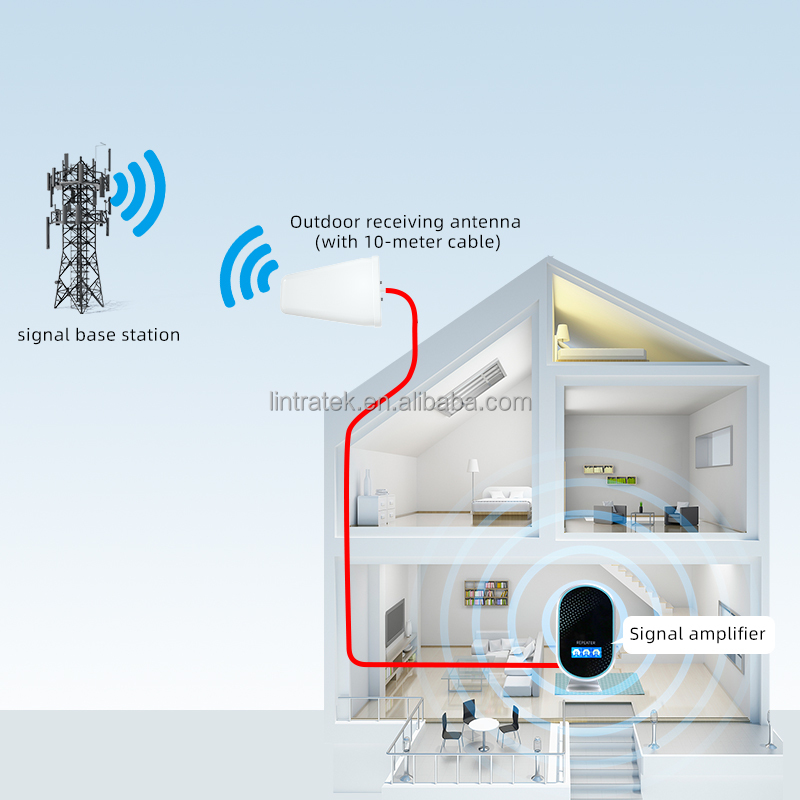
A cellular signal booster system has three parts: an outdoor donor antenna, an amplifier, and indoor antennas that spread the signal around the room. Beyond that, below-ground jobs in this region tend to fall into two sizes.
Small commercial spaces, an office lower floor, a clinic basement, or a retail room running a PoS counter or M-Pesa till that keeps timing out, usually do fine with a tri-band or five-band kit offering 55 to 65 dB of gain.
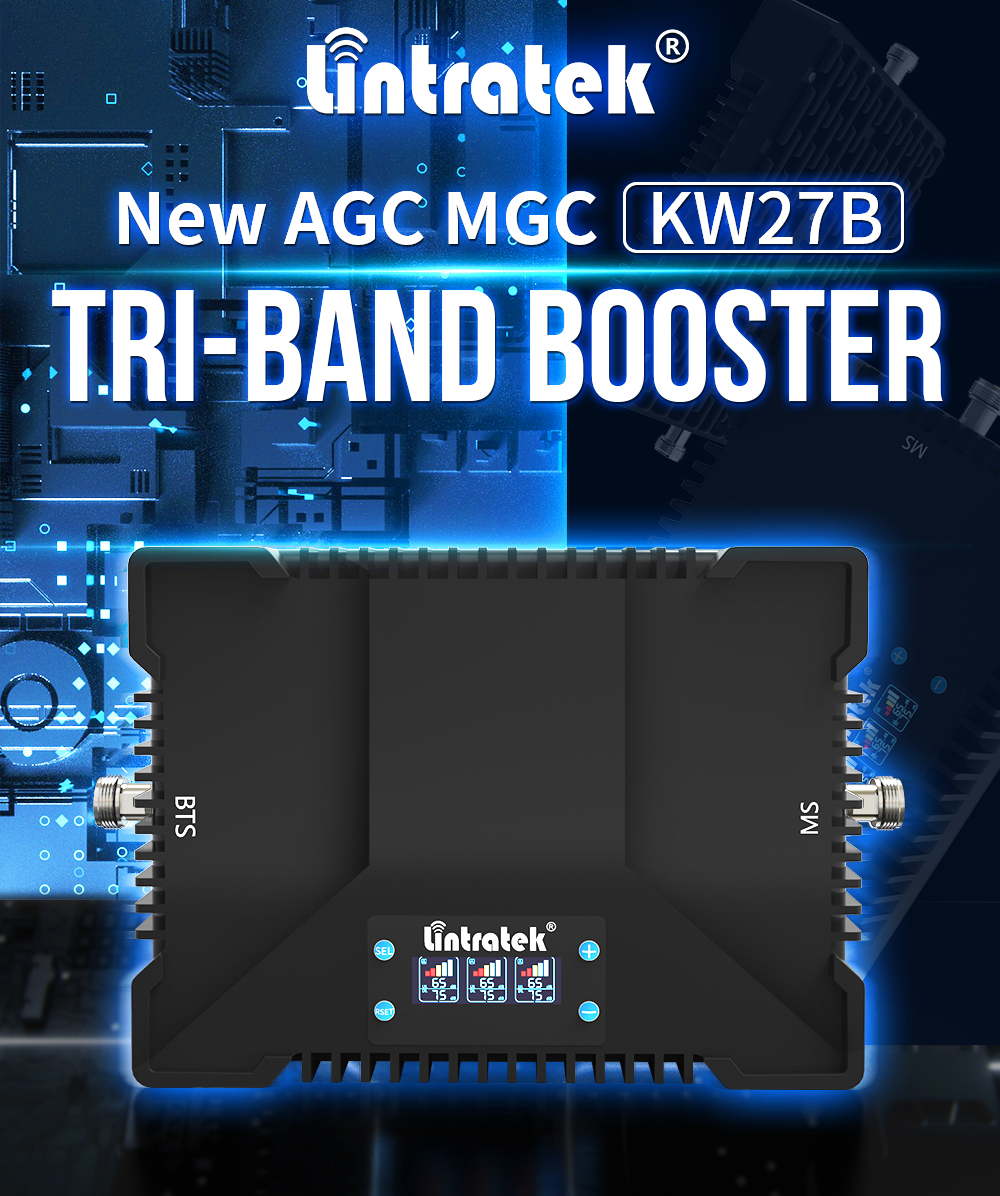
KW27B tri-band Signal Boost Cell Phone Signal In Building
Bigger projects, mall underground parking, hotel sub-level floors, or a bank’s multi-storey basement, call for a power signal booster with higher output and several indoor antennas laid out across the zone. When the donor antenna ends up a long cable run from the area that needs coverage, a fiber-optic repeater avoids the loss that long coax runs bring.
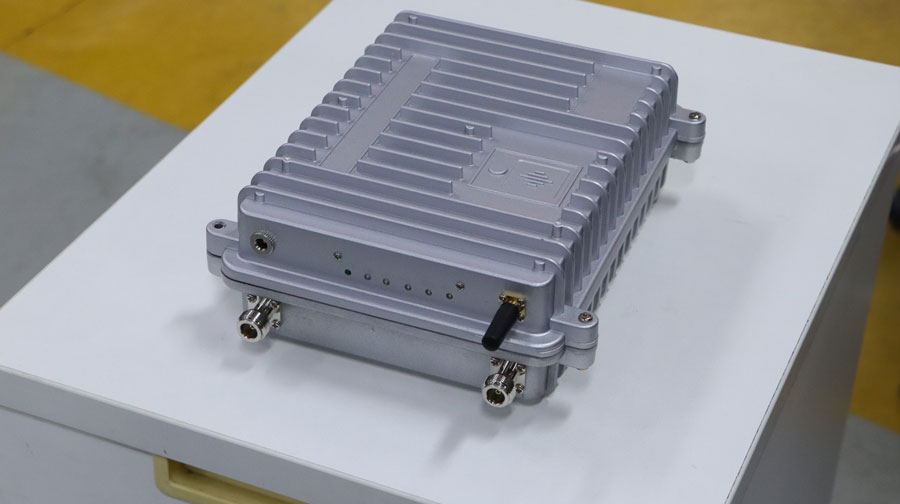
cellular signal booster system
One thing worth knowing: more gain is not automatically better. Output power and antenna placement do the real work. A mid-range unit installed with decent cable and a well-placed donor antenna will outperform a stronger one bolted together with thin cable and a hidden antenna.
If you are sizing a basement job in Lagos or Nairobi, or building a stock list for either market, send us the basics: building type, floor area, the carriers you must cover, and a donor signal reading if you have one. You will get back an equipment list, a rough layout, and a straight answer about bands and approvals. Plain answers, no pressure: repeater@lintratek.com, on WhatsApp, or through the contact form on lintratek.com.

Post time: Sep-04-2026