





New high-rise estates go up quickly in China, and above ground the network keeps pace. Below ground it often does not. Stand in the car park of a recently completed residential compound and the bars vanish. Step into the lift and the call drops before the doors close.
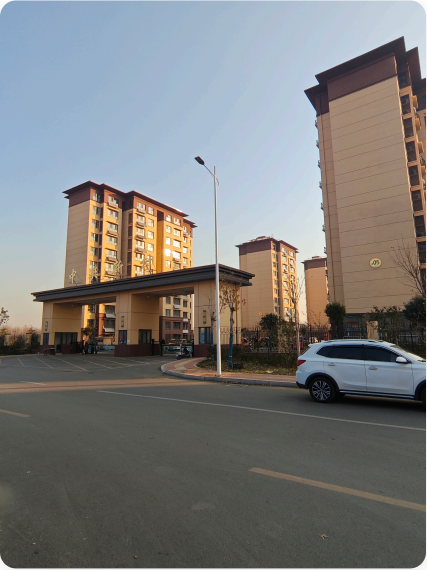
Zhongfan Xincun, a resettlement community in the Yanzhou district of Jining, Shandong, ran into exactly that problem across its underground levels. Below is a look at the site, the design that solved it, and the figures measured after commissioning. It is written for the engineers and dealers who meet the same conditions in their own markets.
The site, and why it was difficult
The estate is a typical cluster of high-rise blocks sitting on a large and complicated car park. Thick concrete walls and a dense steel frame lie between the outdoor macro network and anything below grade, and that pairing shields radio waves far more effectively than a single wall ever could.
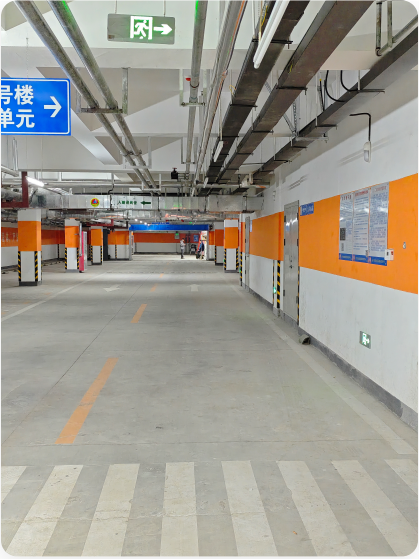
A site survey filled in the rest. Once residents went underground, phone service was gone, a textbook deep coverage blind spot rather than a patchy one. The lift shafts made the job harder still. A vertical tube of reinforced concrete offers no natural path for a signal to spread sideways, which is where conventional layouts usually stall.
cell phone booster for metal building/signal booster for elevator
Why simple fixes fall short
The instinct is to hang an amplifier on a wall and call it done. Underground projects rarely cooperate. Feeding a basement from a rooftop antenna means a long run of cable, and coax loses gain with every metre, especially once it crosses several floors. Amplifying an already weak feed lifts noise along with signal, so coverage gets uneven instead of better.
What this site needed was a way to move the signal down and across the compound without giving it up on the way. That pointed towards fiber rather than copper.
The design: fiber as the backbone
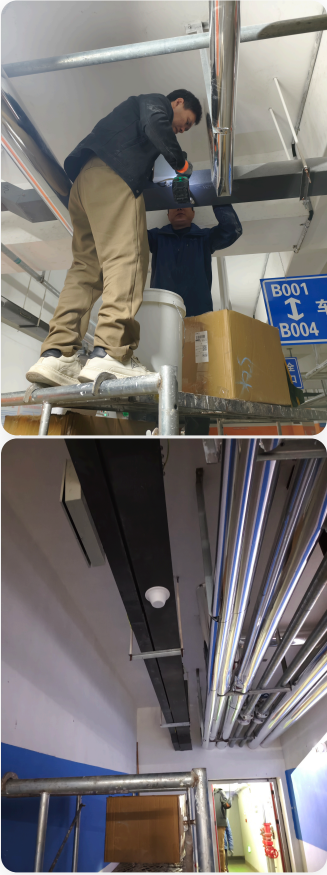
The team went with a digital fiber optic distributed system. Two 20 W digital fiber optic remote units on the 1800 MHz DCS band form the core, and the fiber carries the signal into the underground areas with very little loss over the distances involved.
Vertical space got dedicated hardware: sixteen slave units built specifically for lift shafts, because a standard indoor antenna cannot cover a tube that narrow. In the horizontal zones the plan combined log periodic, wall mounted and omni ceiling antennas, so coverage followed the real shape of each area rather than a neat rectangle on paper. The B1 car park, the lift lobbies and the connecting corridors each got the treatment they needed.
best cell phone booster for rural areas
The finished coverage map ran from B1 all the way to floor 11. That detail says a lot about how the work was treated. This was never a single-room fix. It was a cellular signal booster system spread across an entire building, with the fiber backbone doing the heavy lifting and the antenna plan handling the fine detail.
Commissioning and measured results
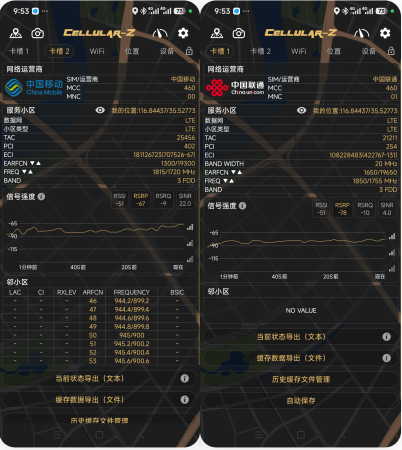
Installation was followed by full commissioning and tuning, and the numbers came in where they should. Field tests showed indoor levels holding above -75 dBm throughout the covered zones, voice calls staying clear with no dropouts, and download speeds above 35 Mbps. Video calls that used to fail in the garage ran normally.
The complaints that started the project disappeared along with the dead spots. Residents could pay by QR code from the car park, hold a conversation inside the lift, and reach emergency services from any level. Property management signed off on the result, and the readings backed that up.
Twenty watts of output at each remote places this firmly in the power signal booster class of hardware, and that headroom is a large part of why the levels held steady through so much concrete. Under-driving an underground site and hoping for the best is a common route to coverage gaps on the lower floors.
Lessons other projects can borrow
Survey before quoting. A reading at the candidate donor spot decides more than any datasheet.
Treat vertical spaces separately. Lift shafts and stair cores need purpose-built slaves, not a spare indoor antenna.
Use fiber when the run is measured in floors rather than metres. Coax is simple, but it is not free.
Let the room pick the antenna. Ceilings for open areas, walls for corridors, directional patterns where signal has to be pushed down a long space.
Plan for tuning. Commissioning is where a decent design becomes a working one, and where interference problems get caught early.
What this means if you specify or resell
Work like this is rarely won or lost on the price of a box. The difference sits in the planning: which bands the local operators run, where the outdoor antenna can legally and practically sit, how many remote units the levels require, and how the shafts get covered. A supplier worth keeping on your list will work through those questions with you instead of quoting the cheapest unit available.
That is the support layer we try to offer: band tables matched to your market, layout drawings, commissioning guidance, and custom configurations or OEM branding when you are building out a range. Buyers who need a working mobile network solution tend to get more out of that than out of a discount.
Where the same approach still applies
The building changes, the physics does not. Underground car parks, tunnels, lift shafts, hospital lower floors and large halls all throw out versions of the same problem, and the fiber-plus-antennas logic carries over to each one. In markets where coverage thins out past the city edge, dealers often pair this line of work with a cell phone booster for rural areas, since a farm workshop, a lodge or a mine office sits just as far from a tower as a car park sits from a rooftop. The survey habits learned on deep indoor jobs transfer directly.
Whether a signal has to travel down eleven floors or across eleven kilometres, the sequence stays the same: measure, design, distribute, then verify with real numbers.
If you are working on a basement, a shaft or a multi-storey site of your own, send us the layout, the levels involved, the bands you need to cover, and any readings you already have. You will get back a suggested design and a straight note about what the hardware will and will not do. Reach us at repeater@lintratek.com, on WhatsApp +86-13249243642 , or through the contact form at lintratek.com.
Post time: Sep-18-2026