





If you’ve ever stared at your phone, wondering why you have 1 bar one minute and 3 the next—or why your calls drop even when it says you have service—you’ve probably come across the term “dBm” at some point. I’ve spent 14 years fixing cell signal issues for homes, offices, and even remote rural areas, and I can tell you: dBm is the secret code to understanding how strong (or weak) your cell signal really is. And the best part? It’s not as complicated as it sounds—let me break it down like we’re chatting over a cup of coffee.
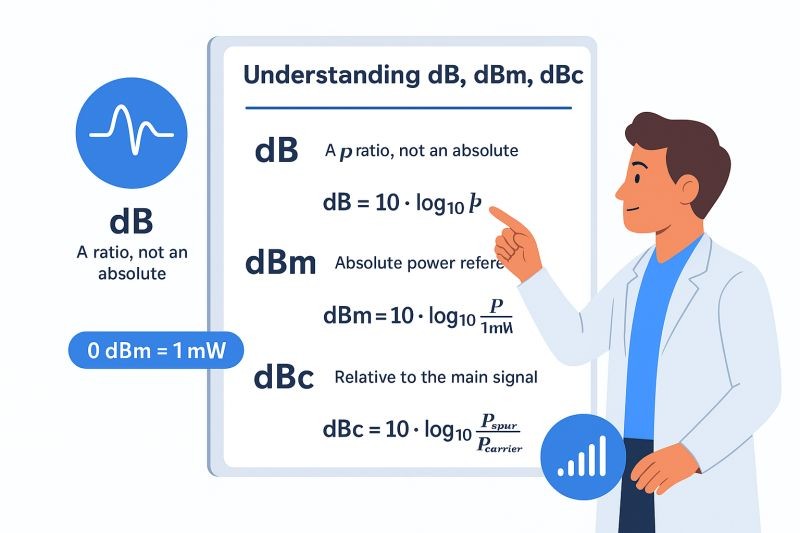
First off, let’s get one thing straight: dBm stands for “decibels relative to one milliwatt.” I know, that sounds like tech jargon, but all you need to remember is this: dBm is the unit that measures how strong your phone’s connection to a cell tower is. Unlike most numbers you’re used to—where bigger is better—dBm works backwards. The closer the number is to 0, the stronger your signal. The more negative it gets, the weaker it is. That’s the first mistake most people make: they see a number like -80 and think it’s worse than -60, but it’s actually the opposite.
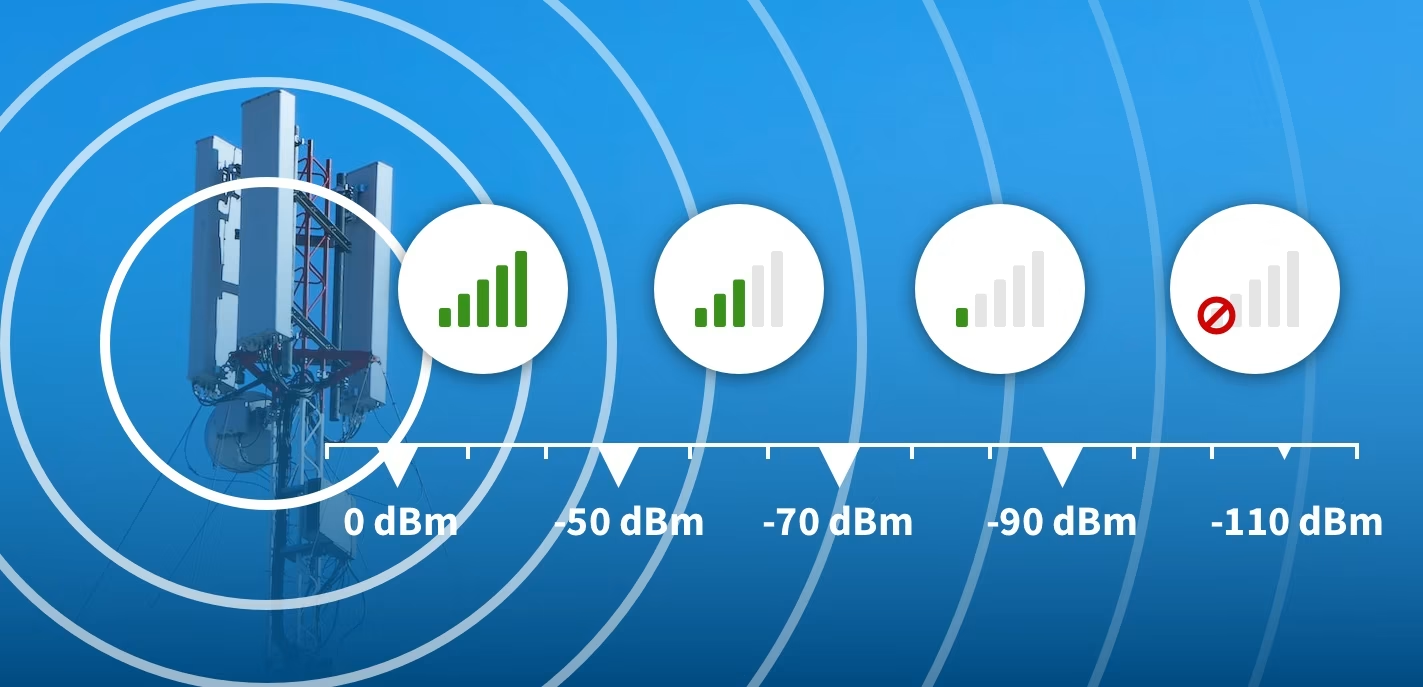
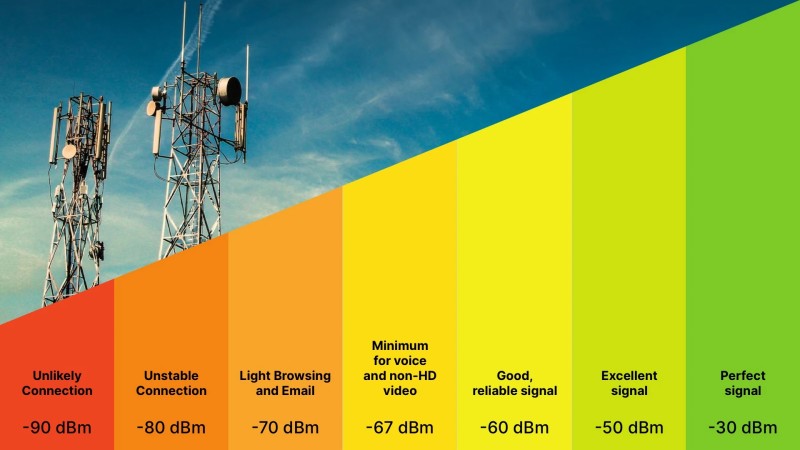
Let’s make this concrete with real-world numbers—ones you’ll actually see on your phone. If your dBm is around -50 to -70, you’re in the sweet spot. That’s full bars, crystal-clear calls, and fast data—no buffering, no dropped calls, just smooth connectivity. This is what you’ll get if you’re standing right next to a cell tower, or in an open area with no obstacles.
Now, if your dBm is between -70 and -90, that’s still good—you’ll have 2-3 bars, and most calls and apps will work just fine. You might notice a little slowdown in data now and then, especially in busy areas, but it’s nothing to stress about. This is the typical signal strength in most homes and offices that aren’t too far from a tower.
The trouble starts when you hit -90 to -110 dBm. That’s 1 bar (or even “no service” sometimes), and you’ll start having issues: calls drop mid-conversation, texts take forever to send, and streaming is basically impossible. This is common in basements, thick-walled buildings, or areas that are far from cell towers—like rural homes or deep inside large offices.
And if your dBm is -110 or lower? That’s a dead zone. Your phone might struggle to connect at all, and even if it does, the signal is so weak it’s useless. I see this all the time in underground parking garages, tunnels, or homes surrounded by tall trees or mountains—places where the signal can’t penetrate easily.
You might be wondering: how do I check my dBm? It’s easy, and you don’t need any fancy tools. On an iPhone, you can use Field Test Mode (just dial *3001#12345#* and tap “LTE” then “Serving Cell Meas”) to see your exact dBm. On Android, most phones have a “Signal Strength” option in the Settings app, or you can download a free app like CellularZ to get a clear reading. Once you know your dBm, you’ll know exactly how strong your signal is—and whether you need to do something about it.
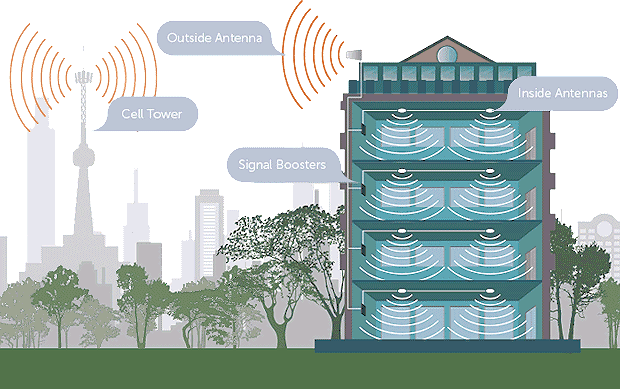
Here’s the thing I tell all my clients: you don’t have to live with weak signal. If your dBm is consistently below -90, a cell phone network signal booster can help. It pulls in that weak, negative dBm signal from outside, amplifies it, and sends it inside your space—turning -100 dBm into -70 or better, so you have reliable service again, save your money for something that actually solves a problem.
I’ve seen too many people buy boosters they don’t need, just because they think “more signal is better.” But dBm teaches us that it’s about balance—you just need enough signal to get the job done. The key is knowing your numbers, so you can make an informed decision.
If you’re still confused about your dBm reading, or you’re not sure if a signal booster is right for you, don’t hesitate to reach out. I’m happy to walk you through checking your signal, explaining what your numbers mean, and helping you find a simple solution about signal coverage that works for your space. No jargon, no sales pitches—just honest advice from someone who’s been fixing signal issues for over a decade.
Post time: Apr-15-2026