






I. What is the reverse interference of a signal amplifier to a base station?
In weak signal coverage projects, the working logic of a mobile signal amplifier (repeater) is to receive signals from outdoor base stations, amplify them, and then supply them to the indoor network. Ideally, it should only amplify the signal needed indoors, without causing any additional interference to external base stations.
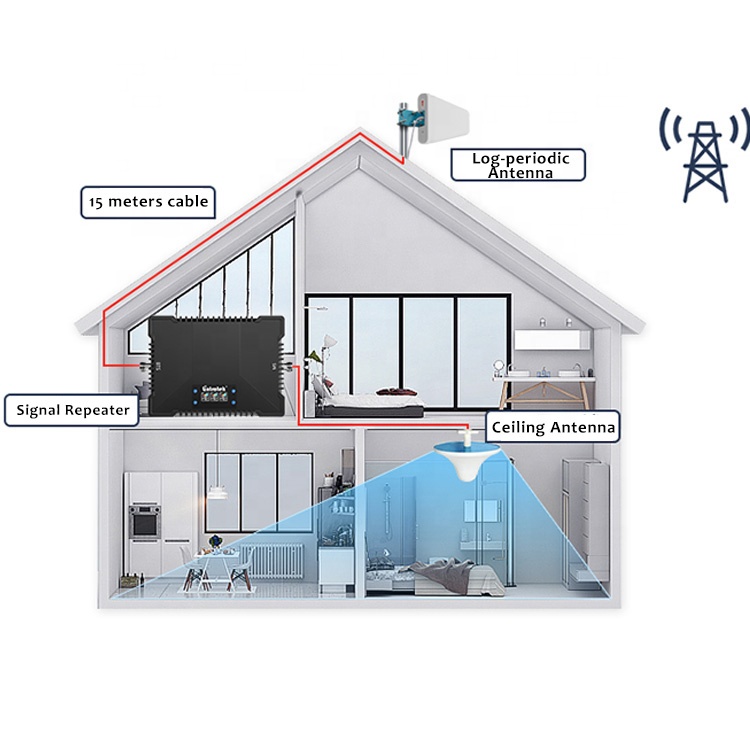
office cell phone signal network booster
However, if the equipment is improperly configured or the antenna layout is incorrect, the amplifier may reverse the amplified indoor signal and transmit it back towards the base station, essentially sending continuous noise and increasing the base station’s noise floor. Consequences include difficulty for nearby mobile phones to connect to the base station, reduced network speed, and dropped calls; in severe cases, it can degrade the performance of the cell’s base station, prompting the operator to investigate and require the equipment to be removed.
Note: Mobile signal amplifiers themselves do not necessarily cause interference. With compliant equipment and proper installation and debugging, base station interference can be completely avoided.
2、Four core reasons causing base station interference
A. Insufficient Isolation Between Transmitting and Receiving Antennas (More Common)
Insufficient isolation between the outdoor antenna receiving the base station signal and the indoor transmitting antenna leads to signal leakage after amplification indoors, flowing back to the outdoor antenna. The signal circulates and amplifies between the two antennas, causing self-oscillation in the equipment. This self-oscillation signal then flows back towards the base station, directly increasing the base station’s noise floor and causing interference.
Many on-site construction projects only focus on indoor signal strength, neglecting antenna spacing and orientation. Villas and basement projects with weak signal coverage are high-risk scenarios for this problem.
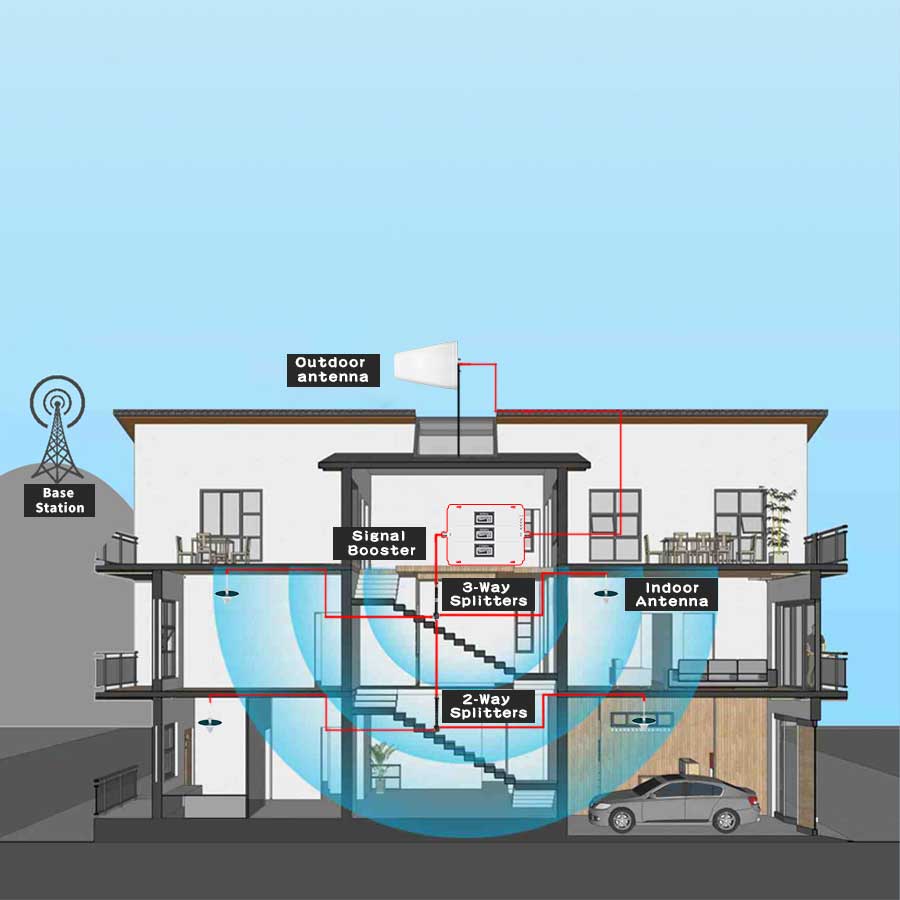
B. Gain Set Too High, Output Power Exceeds Limits
Some engineers, in pursuit of full indoor signal strength, directly increase the gain of the mobile phone signal amplifier. Outdoors, the base station signal is already good; further significant signal amplification overloads the uplink signal. Excessive uplink amplification by the mobile phone repeater can, in turn, “overwhelm” the base station, causing interference to the entire surrounding community.
Misconception: Higher gain is not always better, and a full indoor signal does not necessarily mean better performance. The AGC/MGC gain needs to be set appropriately based on the donor signal strength at the site. Lintratek Technology’s entire range of commercial repeaters is equipped with AGC automatic gain control, which automatically suppresses excessive amplification and reduces the risk of interference from human error during setup.
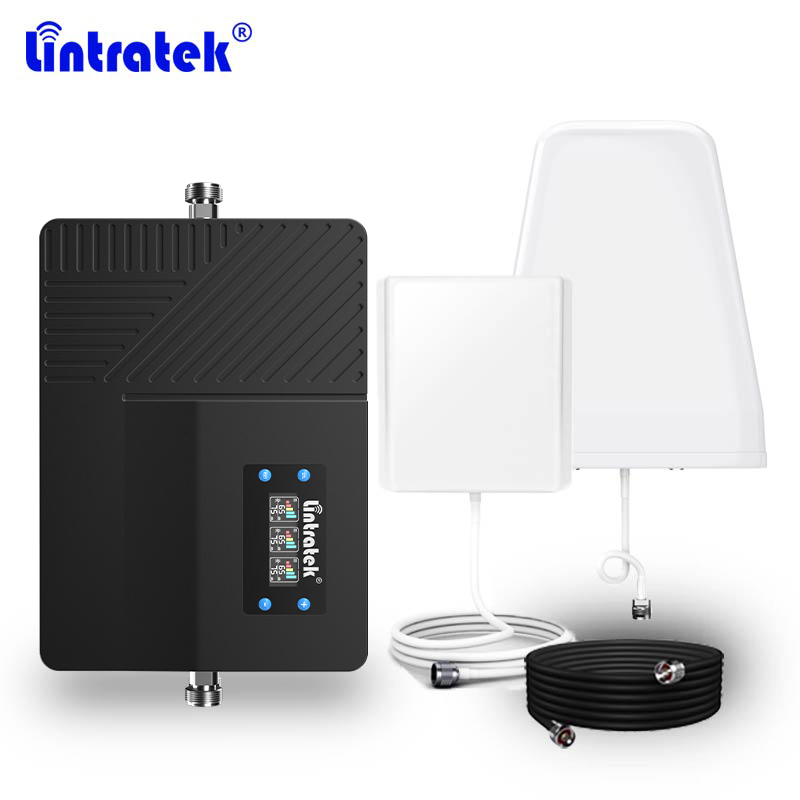
cell phone boosters for rural areas
C. Incorrect Signal Booster Selection: Mismatch Between Site Conditions and Equipment Frequency Bands
For example, a five-band mobile signal amplifier was blindly selected when only two frequency bands of weak signal coverage were needed on-site. In some frequency bands where local base station signals were strong, the equipment still performed high-power amplification on those bands, causing uplink overflow and interference to base stations. Furthermore, some projects used substandard, uncertified repeaters with poor filtering performance and insufficient out-of-band suppression, generating spurious signals that interfered with surrounding base stations.
3. How to avoid base station interference in advance?
A. Prioritize antenna isolation
Ensure spatial isolation between outdoor and indoor antennas. Pay attention to antenna orientation; indoor antenna signals must not reflect back onto outdoor antennas to prevent self-oscillation.
B. Adjust gain appropriately, prioritizing AGC (Automatic Gain Control)
For weak signal coverage, don’t blindly pursue full bars indoors. Prioritize enabling AGC. Most of Linchuang Technology’s commercial mobile signal amplifiers support AGC/MGC dual modes, adapting to various complex coverage scenarios such as tunnels, villas, basements, and factories.
C. Selected products must match the actual base station frequency bands on site.
Conduct on-site surveys to confirm the actual frequency bands in use locally, select products according to needs, and avoid blindly piling up multiple frequency bands; ensure products are compliant and certified, and reject substandard or modified equipment.
D. Ensure proper construction techniques
Tighten feeder connectors and ensure waterproofing; calculate feeder losses in advance to avoid signal leakage; avoid placing outdoor antennas directly opposite base stations.
E. Post-completion review is required.
After project commissioning is completed, observe the equipment alarm status. There should be no red light self-excitation alarm; simultaneously, observe the surrounding mobile network. If there are no abnormal lags, the project commissioning is considered complete.
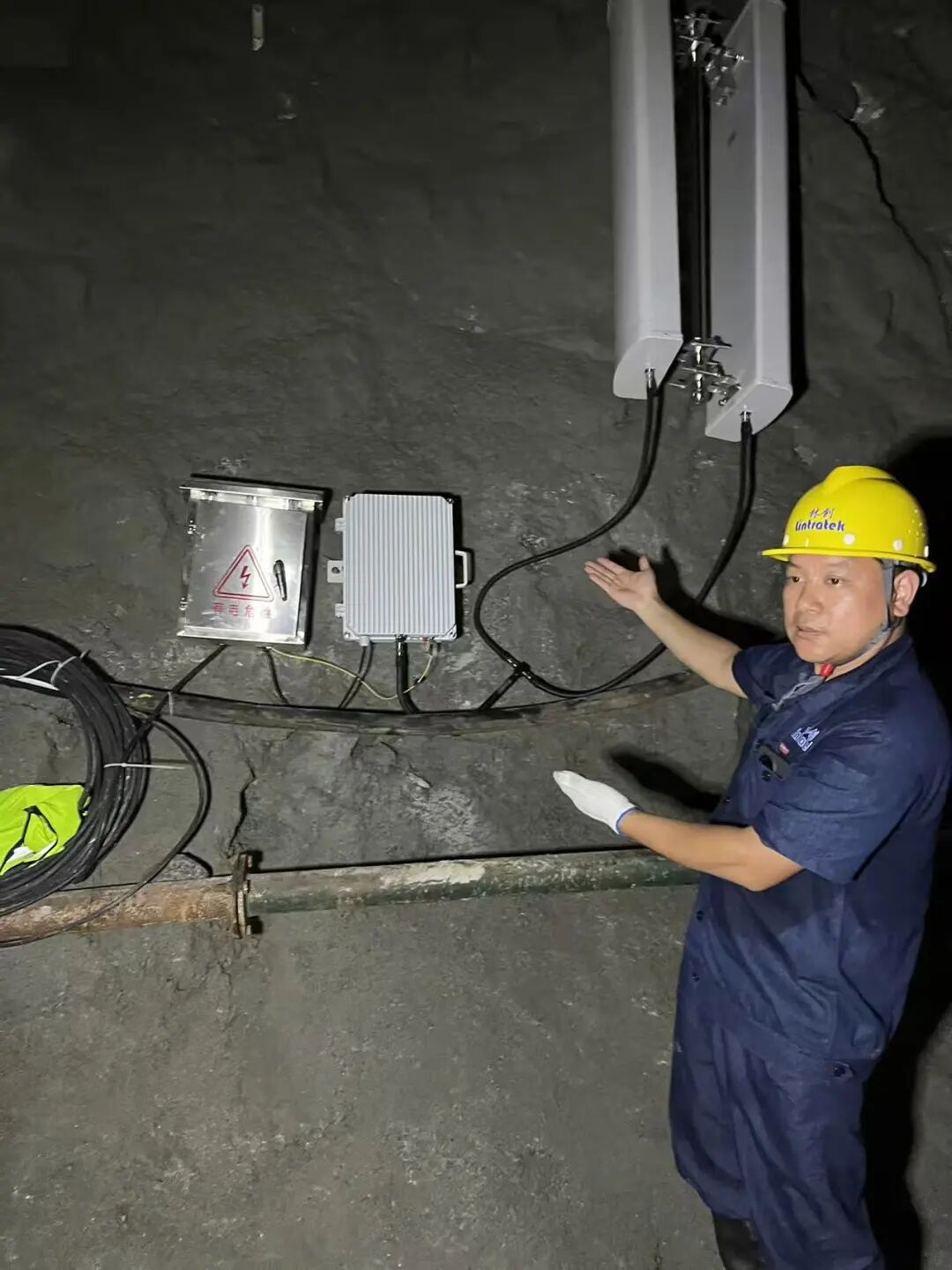
office building weak signal booster project
4、 Quick Troubleshooting Steps for Existing Base Station Interference
1. )Lower the gain of the mobile phone signal amplifier and observe if the interference is alleviated;
2. )Check the relative position and orientation of the two antennas and increase isolation;
3.) Check the feeder cable and connectors for looseness or damage;
4. )Check for self-oscillation alarms. If self-oscillation occurs, it must be dealt with immediately;
5. )If using manual MGC mode, switch to AGC automatic gain control mode for testing.

Post time: Aug-11-2026