





With 14‑year background in weak‑signal enhancement, I have talked to countless field contractors who keep running into unexpected communication breakdowns inside tunnels. This invisible delay happens far more often than structural collapses, yet it rarely gets mentioned in formal construction planning documents.
It is not that network carriers are unwilling to invest. As excavation moves deeper, thick mountain rock plus reinforced concrete linings create a solid electromagnetic shield. Mobile signal can drop below ‑120 dBm, which effectively means “no service at all”. Two‑way radios also hit hard limits beyond 500 meters, especially around sharp bends. Many tunnel sites still rely on shouting, physical running back‑and‑forth, or crackling radio static for inside‑outside team coordination.
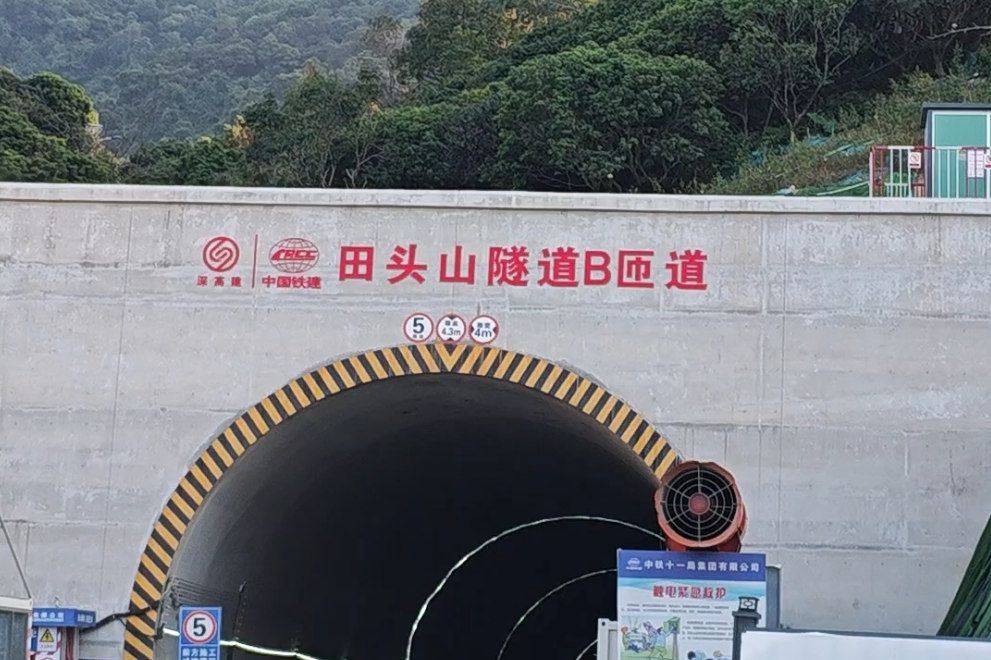
Fiber‑optic repeaters stand out as the widely‑accepted mobile network solution for tunnel‑based projects. The working principle is straightforward. A master near‑end unit captures base‑station signals at the tunnel portal, converts RF signals into optical data, and sends them through fiber cables. Remote units deep inside tunnels convert light back to radio frequency and broadcast signals via antennas.
Several technical hurdles still demand careful handling. Fiber only loses roughly 0.35 dB per kilometer, vastly better than coaxial feeders with over 10 dB loss each kilometer. That makes fiber hardware the only practical option for extra‑long tunnels reaching 20 km and beyond.
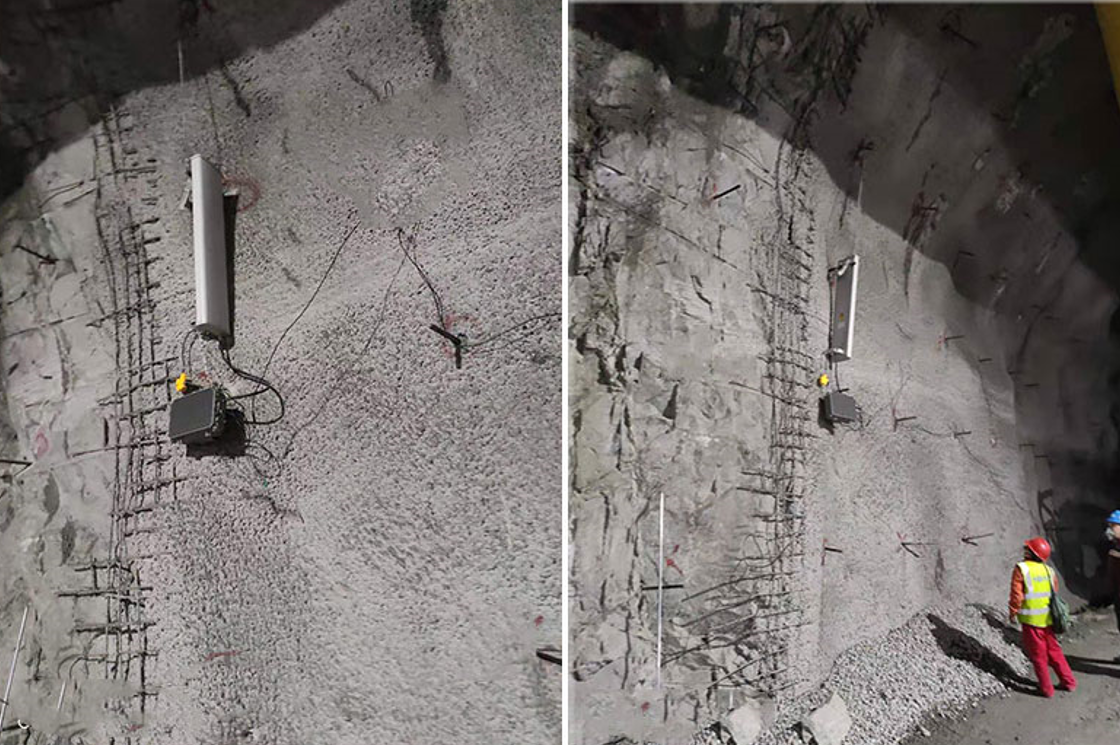
Signal‑source quality at tunnel openings shapes your whole project result. If portal RSRP readings fall below ‑100 dBm, you will need high‑gain donor antennas or multi‑source combining modules to boost receiving sensitivity.
Self‑oscillation interference creates another real risk. In narrow enclosed tunnel spaces, radiated signals can bounce back towardnear‑end hardware, raising base‑station noise floor and even triggering base‑station drop‑offs. Industrial power signal booster hardware must include built‑in oscillation detection and suppression functions.
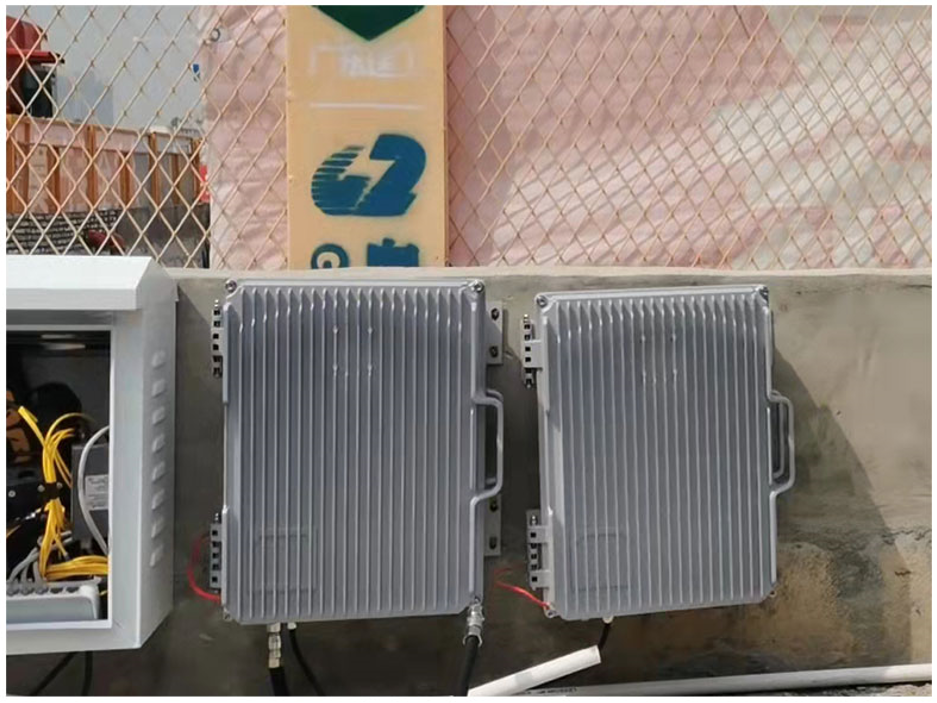
Multi‑operator coexistence adds further requirements. Different carriers run distinct frequency bands, so your cellular signal booster system needs wide‑band hardware to support multiple network standards simultaneously.
Three typical real‑world challenges keep popping up across tunnel jobs, and there is no one‑size‑fits‑all setup. Every tunnel requires evaluation based on its actual physical conditions.
First comes harsh site conditions. High humidity, heavy dust and frequent temperature swings are normal underground. Some water‑storage utility tunnels and pipe corridors maintain 90 % humidity year‑round. Ordinary consumer‑grade gear like cell phone booster for rural areas will fail within months. When picking hardware for such sites, stick to three core specs: high‑ingress‑protection rating, full‑metal heat‑dissipation housing, and wide operating‑temperature range. Never skip waterproof connector treatment, surge protection and proper earthing. These small details decide whether your system runs reliably for one year or five years.

Second, long‑distance routes combined with sharp bends. Signal loss stays fairly steady along straight tunnel sections. You can place remote repeater units every 500‑800 meters. Corners change everything; radio waves cannot travel around bends in straight lines. You will need higher‑power repeater units paired with wide‑angle antennas to offset sharp signal drop‑offs around curves.
Third, weak incoming source signals at tunnel entrances, which ranks as the most troublesome scenario. Even top‑tier backend hardware delivers poor outcomes if portal signal reads below ‑100 dBm. Ideally you can swap signal sources or ask operators to adjust base‑station settings. But many job‑sites cannot support those changes. In such cases, your engineering team must improve front‑end receiving performance. Deploy high‑gain donor antennas together with precise filter modules to suppress out‑of‑band noise, and extract usable signal from limited incoming resources.
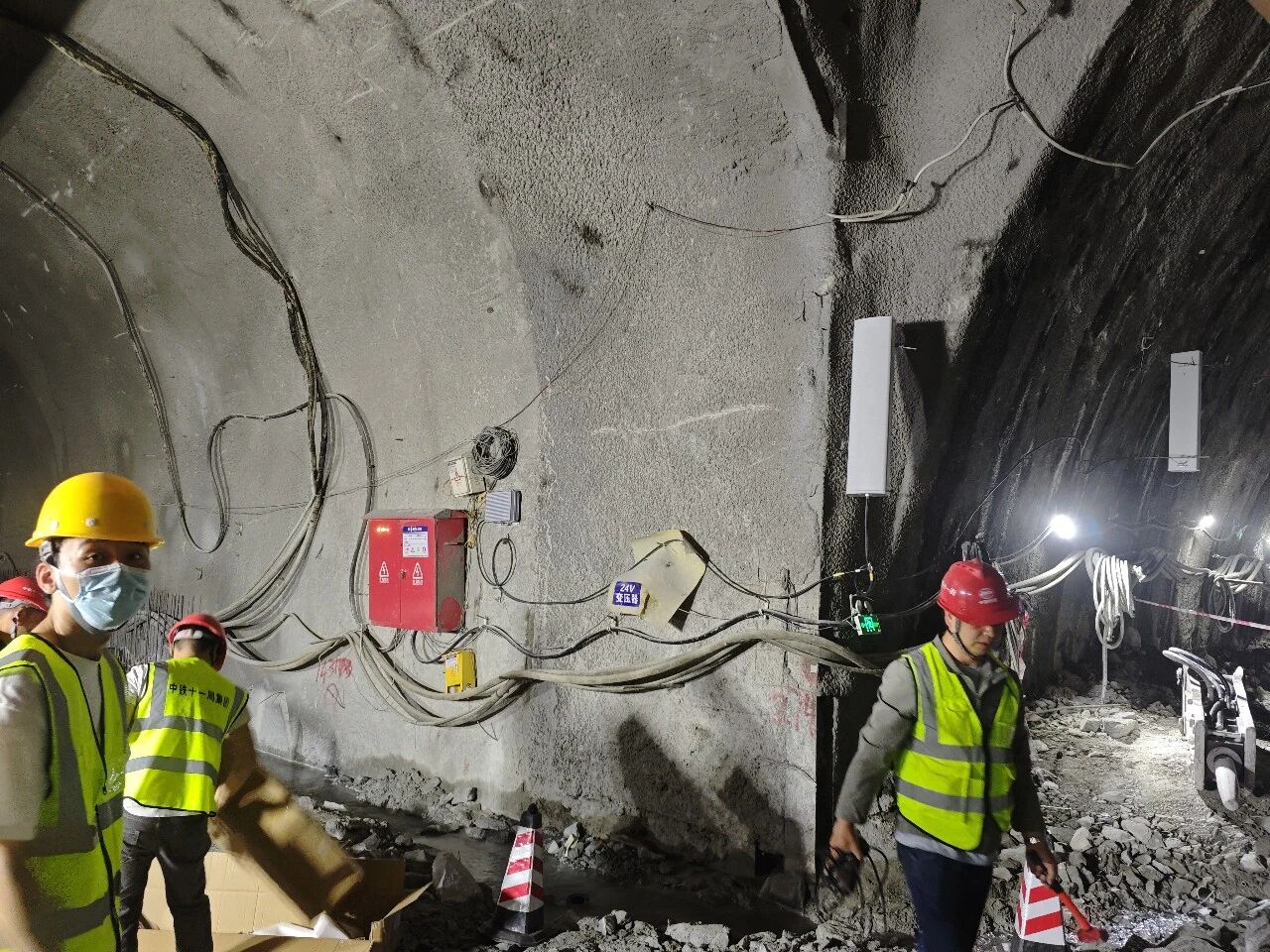
All three scenarios share one core logic: run thorough site surveys first, then match hardware accordingly. Do not force generic equipment onto every tunnel project. Custom‑tailored layouts always perform better.
Stable tunnel communication is quickly shifting from an optional extra into a mandatory requirement. Strict safety regulations demand reliable wireless links for staff positioning, real‑time monitoring and emergency response. Meanwhile, future use‑cases such as vehicle‑road coordination and automated driving also depend on consistent underground cellular connectivity.
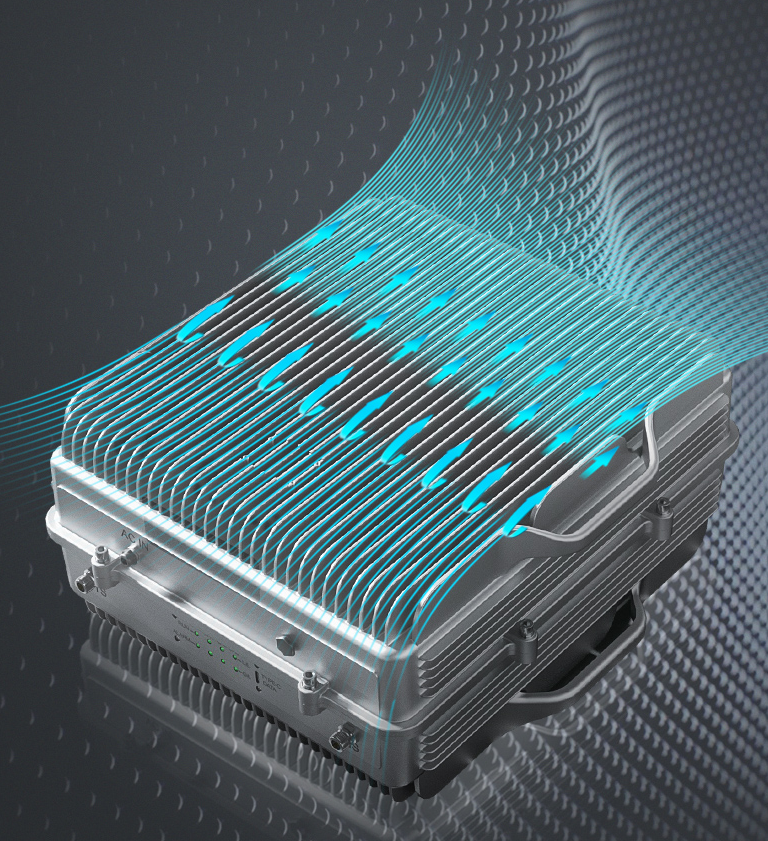
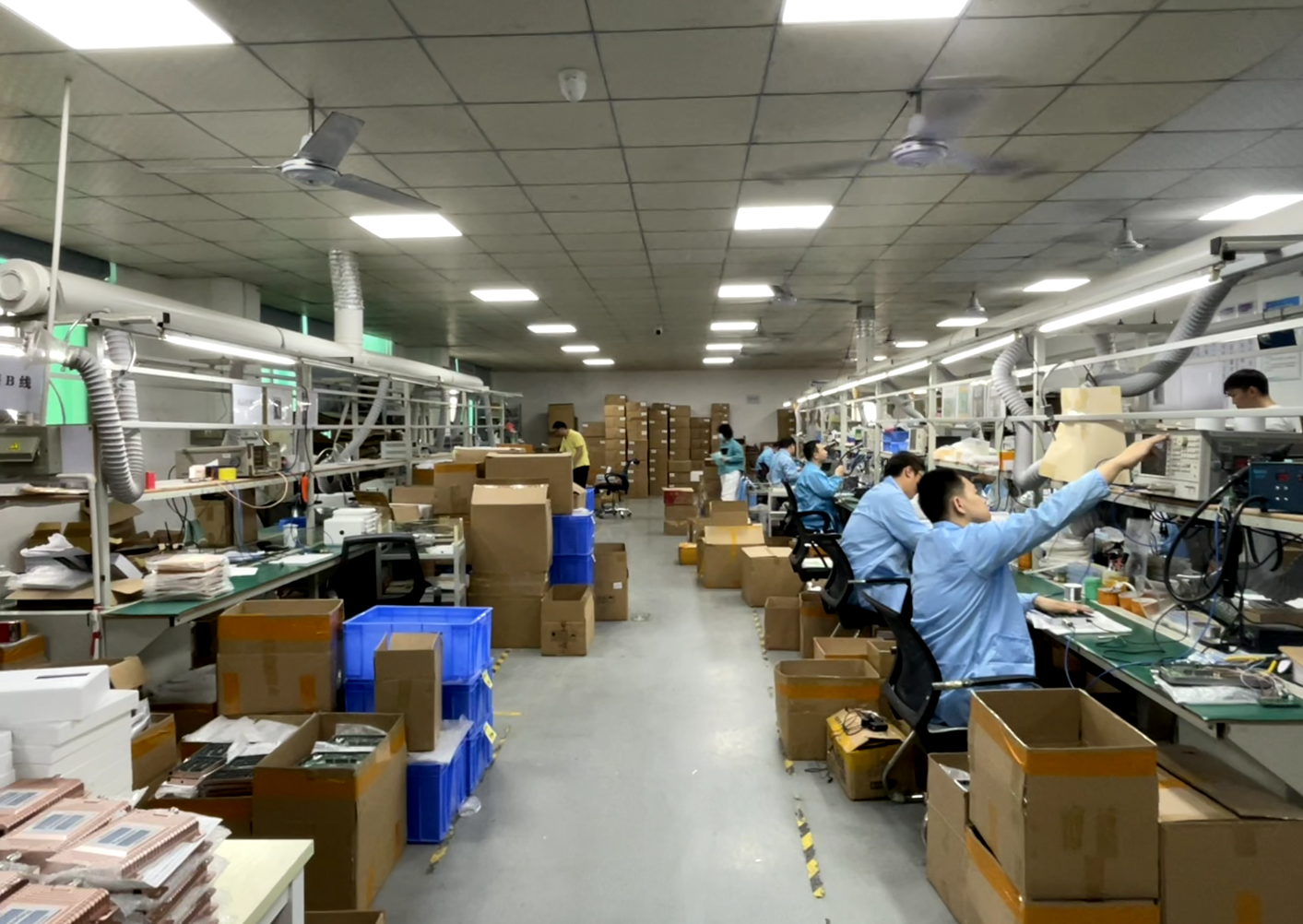
Lintratek has accumulated rich hands‑on experience for these demanding tunnel‑type deployments. Our hardware has been adopted in critical projects including metro lines, research institutes and maritime bureaus across 155 countries and regions.
We moved beyond just manufacturing hardware. We treat extreme underground operating environments as our real‑world test lab, and reliable performance has become our core competitive advantage. From cell phone booster for rural areas up to heavy‑duty fiber‑optic cellular signal booster system, we deliver complete end‑to‑end mobile network solution: site surveys, custom layout drafting, full hardware supply and installation guidance. Our power signal booster portfolio suits utility tunnels, mine shafts and underground pipe corridors.

If you are an RF contractor bidding tunnel or underground‑infrastructure tenders, or a global wholesaler sourcing industrial‑grade signal‑amplification gear, explore our full‑range product catalog and download technical datasheets at https://www.lintratek.com.
Post time: Sep-20-2026